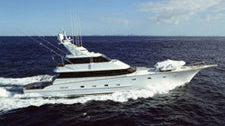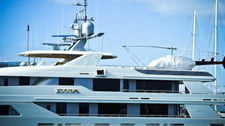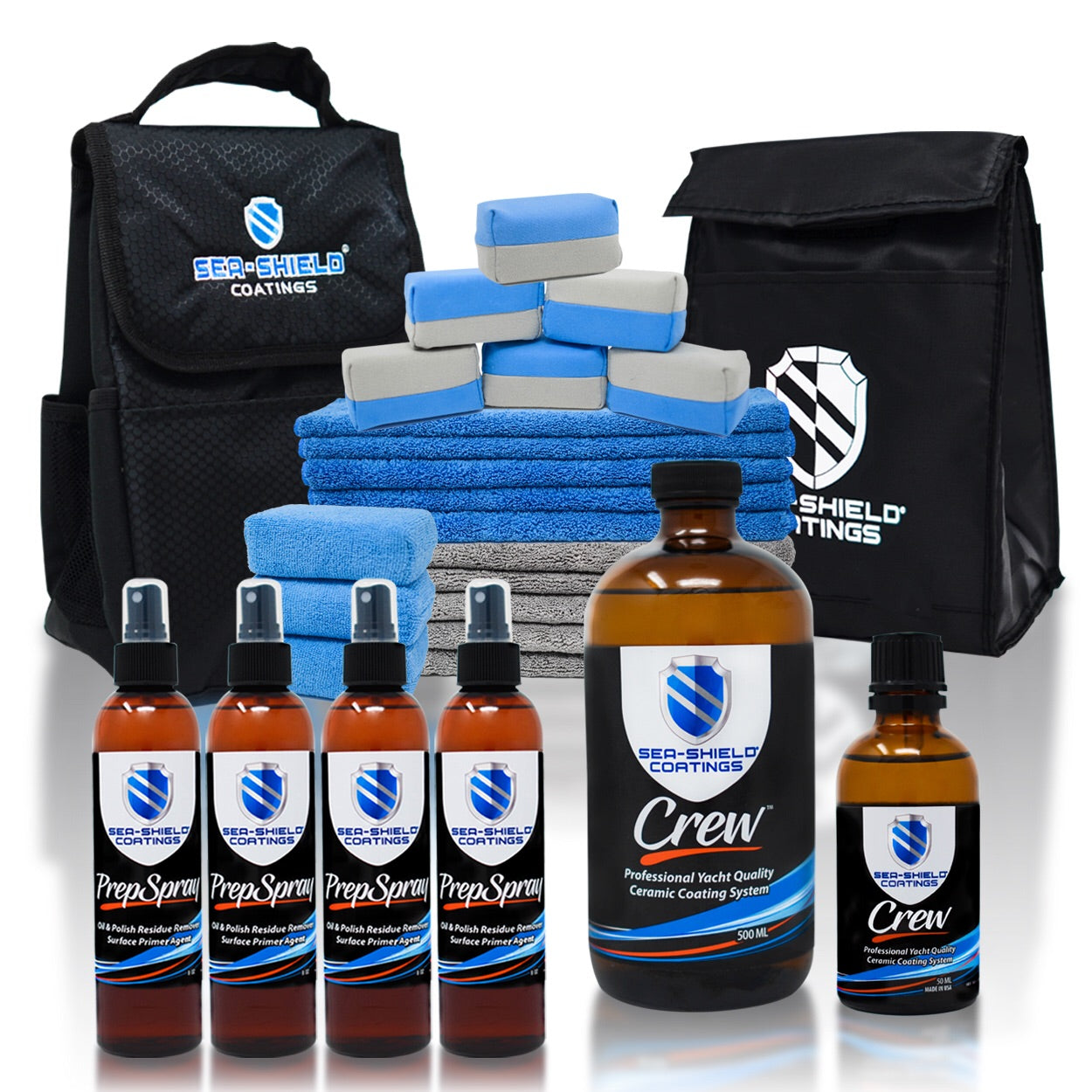






Regular boat detailing protects your yacht from saltwater corrosion, UV damage, and oxidation that silently destroy gelcoat and hull surfaces over time. Consistent care, including washing, polishing, and protective coatings, can add years to your vessel's life while keeping its resale value intact. Skip it, and repairs get expensive fast.
What Does Boat Detailing Actually Include?
A lot of people think detailing is just a good wash and a buff. It's much more than that.
Marine detailing covers everything from surface decontamination and paint correction to protective coating application. A proper detailing session typically addresses the hull, topsides, stainless steel fittings, glass, teak, and any painted or gel-coated surfaces. Each of these areas faces its own set of threats in a marine environment.
Here's what a full-service boat detailing service generally covers:
-
Hull washing and decontamination
-
Gelcoat inspection and restoration
-
Boat waxing and polishing to remove oxidation
-
Stainless steel machine polishing
-
Glass water spot removal and coating
-
Protective sealant or ceramic coating application
-
Teak cleaning, sanding, and caulking where needed
When all of these are done together and on a regular schedule, you're not just making the boat look good. You're actively fighting the marine environment.
How Does Saltwater and Sun Actually Damage Your Yacht?
Think of your yacht's gelcoat or paint as a skin barrier. Saltwater is aggressive. It's corrosive. And it doesn't just sit on the surface after a trip; it works into microscopic pores and begins oxidizing the material underneath.
UV radiation compounds the problem. Prolonged sun exposure breaks down the resins in gelcoat, causing chalking, fading, and surface crazing. A surface that looks slightly dull is already in the early stages of UV degradation.
Here's what happens without regular boat cleaning services:
-
Salt deposits accumulate in pores and seams
-
Oxidation begins, turning the surface chalky and rough
-
UV rays accelerate fading and resin breakdown
-
Water intrudes through micro-cracks in compromised gelcoat
-
Structural delamination becomes a real risk over time
The progression from "needs a polish" to "needs structural repair" can happen within a season if the boat sits neglected. Catching degradation early with routine detailing is always cheaper than repair.
Why Is Polishing So Important Before You Apply Any Protection?
This is where many boat owners cut corners, and it costs them later.
Best boat polishing is not just about shine. It removes the oxidized layer, embedded contaminants, and surface defects that prevent protective products from bonding correctly. If you apply a sealant or ceramic coat over a degraded, chalky surface, you're locking in the damage rather than protecting against it.
Boat polishing wax has traditionally served as a dual-purpose product. It does some light correction while also laying down a sacrificial protective layer. For lightly oxidized boats maintained on a regular schedule, wax is often enough between full detailing sessions.
For vessels that have been left without care for a season or more, machine polishing with a cutting compound is needed first to restore the surface before any protection is applied. This two-step approach takes more time, but it's the right process. A professional detailer will always assess the surface condition before recommending which polish and protective products to use.
What Is Boat Ceramic Coating, and Why Does It Last Longer Than Wax?
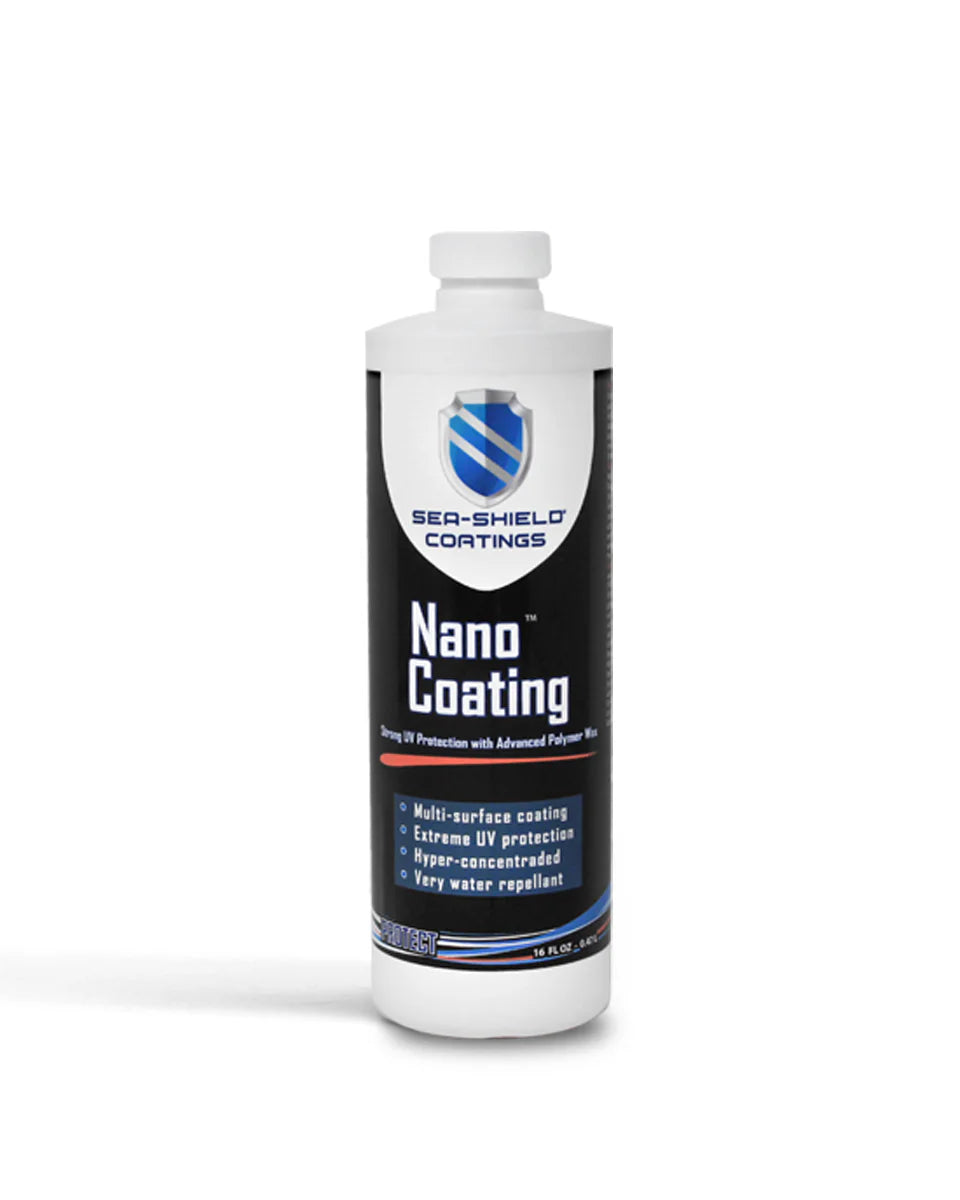
Boat ceramic coating represents a significant advancement over traditional wax and polymer sealants. Rather than sitting on top of the surface like wax does, a ceramic coating bonds chemically to the gelcoat or paint at a nanoscale level. The result is a hard, hydrophobic layer that doesn't wash away after a few weeks.
The practical benefits for a yacht owner are significant:
-
Water and contaminants sheet off the surface rather than sticking
-
Salt buildup has far less grip, making post-trip rinses much faster
-
UV radiation has less penetrating effect on the protected surface
-
Oxidation is dramatically slowed because the surface has less contact with oxygen and moisture
-
Cleaning frequency drops because dirt simply doesn't adhere as readily
Good marine-grade ceramic coatings, properly applied to a correctly prepared surface, can last two to five years. That durability changes the economics of yacht care considerably. The upfront cost is higher than waxing, but the long-term protection and reduced maintenance work out favorably for most owners.
When Should You Schedule Professional Marine Detailing?
Timing matters. Here's a practical schedule that most experienced captains and detailers follow:
-
After every outing: Rinse with fresh water. Salt left to dry on any surface begins its work immediately.
-
Monthly: Light wash with marine soap, quick inspection for new scratches or staining, spot treatment as needed.
-
Every 3 to 6 months: Full marine detailing session including polish and wax or sealant refresh. Frequency depends on how much time the vessel spends in the water and in direct sun.
-
Annually: Comprehensive assessment including gelcoat inspection, machine polishing if needed, stainless steel treatment, glass coating, and a full ceramic or polymer sealant reapplication.
- Before and after storage: Always detail before hauling out for the season. Storing a dirty, salt-contaminated boat accelerates degradation. Detail again when she comes back out to address anything that developed over the layup period.
Key Takeaways
Regular boat detailing is not a luxury. For any yacht owner who wants their vessel to last and hold its value, it's straightforward maintenance. The marine environment is unforgiving, and the damage it causes compounds quickly without consistent care.
The process starts with the right cleaning products and technique, moves through polishing to restore and correct the surface, and finishes with a protective layer, whether that's a traditional boat waxing and polishing routine or a long-lasting boat ceramic coating. Each step depends on the one before it.
Catch the oxidation early. Polish before coating. Coat to protect what the polish restored. Rinse after every trip. That cycle, repeated consistently, is what keeps a yacht looking and performing like the investment it is.
FAQs
Q1. How often should I wax my boat?
For boats used regularly in saltwater, a wax or polymer sealant application every three to four months is a reasonable baseline. If you use a durable boat ceramic coating, you can extend that interval to one to two years between full reapplications, with light maintenance washes in between.
Q2. Can I detail my own boat, or should I hire a professional?
Both are valid options depending on your skill level and the condition of the surface. Regular rinses and light washes are easy DIY tasks. Paint correction, machine polishing, and ceramic coating application require proper tools, experience, and the right products. Mistakes at the polishing stage can remove too much material or create swirl marks that are hard to correct without starting over.
Q3. Does ceramic coating really prevent corrosion?
On gelcoat and painted surfaces, a good ceramic coating significantly reduces the rate of oxidation and corrosion by creating a barrier against salt, moisture, and UV exposure. On stainless steel fittings, polishing combined with a protective coating reduces the chance of surface rust and staining. It's not a permanent guarantee, but the protection is real and measurable.
Q4. What's the difference between boat polishing wax and a ceramic coat?
Boat polishing wax sits on top of the surface and wears away gradually, typically lasting weeks to a few months. Ceramic coatings bond chemically to the substrate and create a much harder, longer-lasting layer. Wax is better for regular maintenance and mild protection. Ceramic is better for long-term protection, especially on vessels exposed to harsh conditions regularly.
Q5. Will detailing improve my boat's resale value?
Yes, and meaningfully so. A yacht with documented regular detailing, clean gelcoat, polished stainless, and clear glass is an easier sale and commands a better price. Buyers can see neglect immediately in chalky surfaces, pitted metal, and fogged glass. A well-maintained appearance signals that the mechanical systems have likely been treated with the same care.