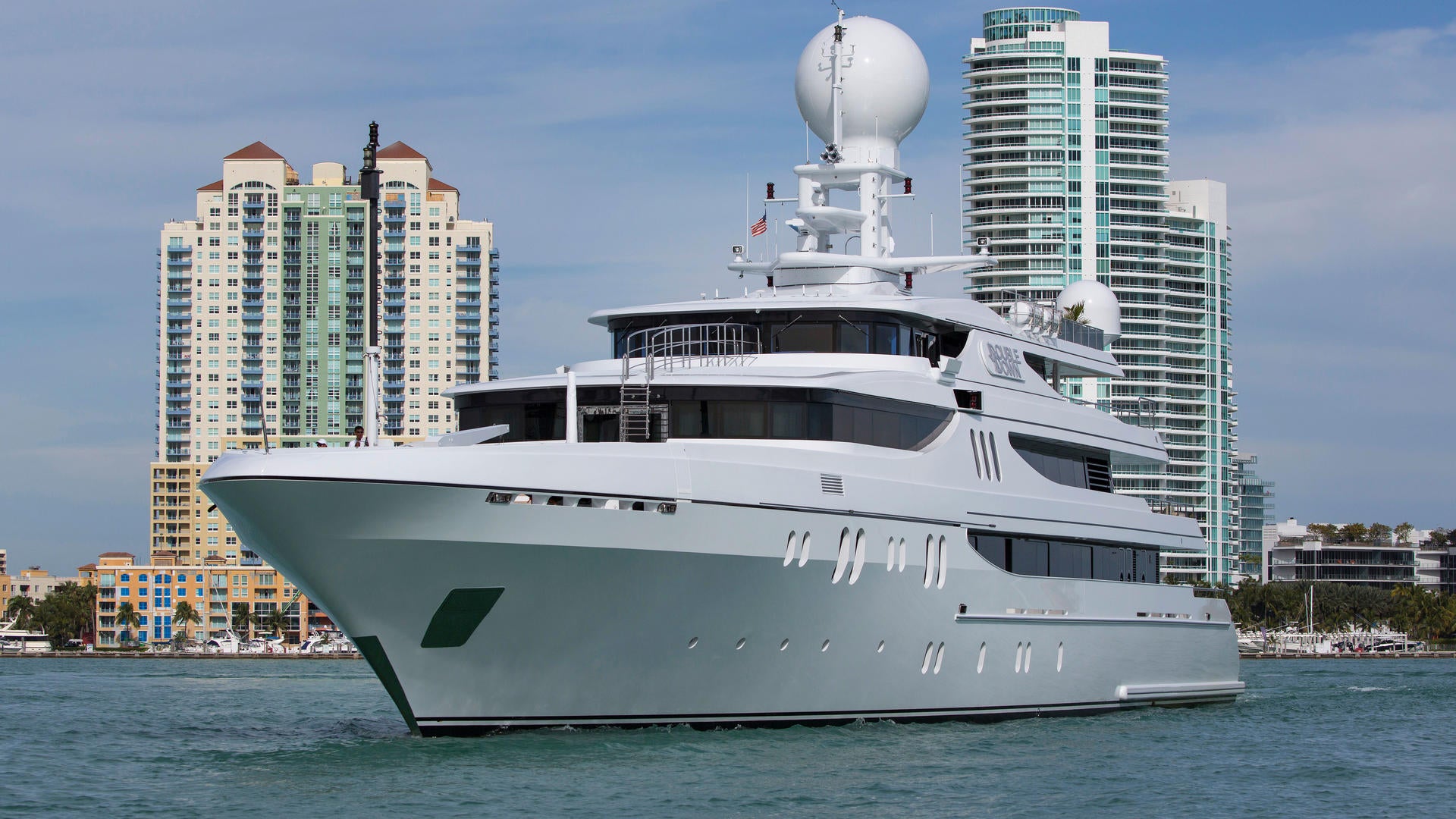


Ceramic coatings fail on boats for three main reasons: poor surface preparation, incorrect wash methods, and lack of maintenance. When any of these fail, the coating breaks down early, exposing the surface to UV damage, oxidation, and salt corrosion.
Why Do Ceramic Coatings Fail on Boats in the First Place?
Ceramic coating is one of the most effective ways to protect a boat. It creates a nano-based protective layer that shields against water, UV rays, salt, and environmental contaminants. When applied correctly and maintained well, it works exceptionally well.
But here's the thing: the marine environment is one of the harshest on the planet. Saltwater, sun exposure, humidity, and constant movement create conditions that expose every flaw in an application. What works fine on a car often fails fast on a boat.
Most failed ceramic coating cases aren't the result of a bad product. They come down to mistakes in preparation, application, or ongoing care. Let's break down each one.

Reason 1: Poor Surface Preparation of Marine Paint or Gel Coat
This is, by far, the most common reason coatings fail. Poor Surface Preparation of Marine Paint or Gel Coat accounts for a significant majority of premature coating failures. The coating itself is often fine. The surface underneath is the problem.
Ceramic coatings bond at the molecular level. If the surface has oxidation, old wax residue, polishing oils, salt deposits, or even fine contamination from the air, the coating bonds to that contamination instead of the actual surface. The result is poor adhesion, uneven curing, and coating that peels or wears off within months instead of lasting years.
Here's what proper preparation actually looks like:
Step 1: Deep wash and decontaminate. Salt sits on a boat's surface after every trip. Use a pH-balanced marine boat soap to remove all surface contamination without stripping previous protection layers.
Step 2: Correct the surface. Paint oxidizes. Gelcoat dulls. Swirl marks form. A ceramic coating will not hide any of these. It seals them in permanently. Depending on your boat's condition, you may need to work through a full correction process using professional marine-grade buffing compounds that are specifically designed for marine paint and gel coat.
A heavy-cut compound removes deep oxidation and scratches. A medium-cut polish follows to remove compound marks. A finishing polish then eliminates swirl marks and restores true clarity before the coating goes on.
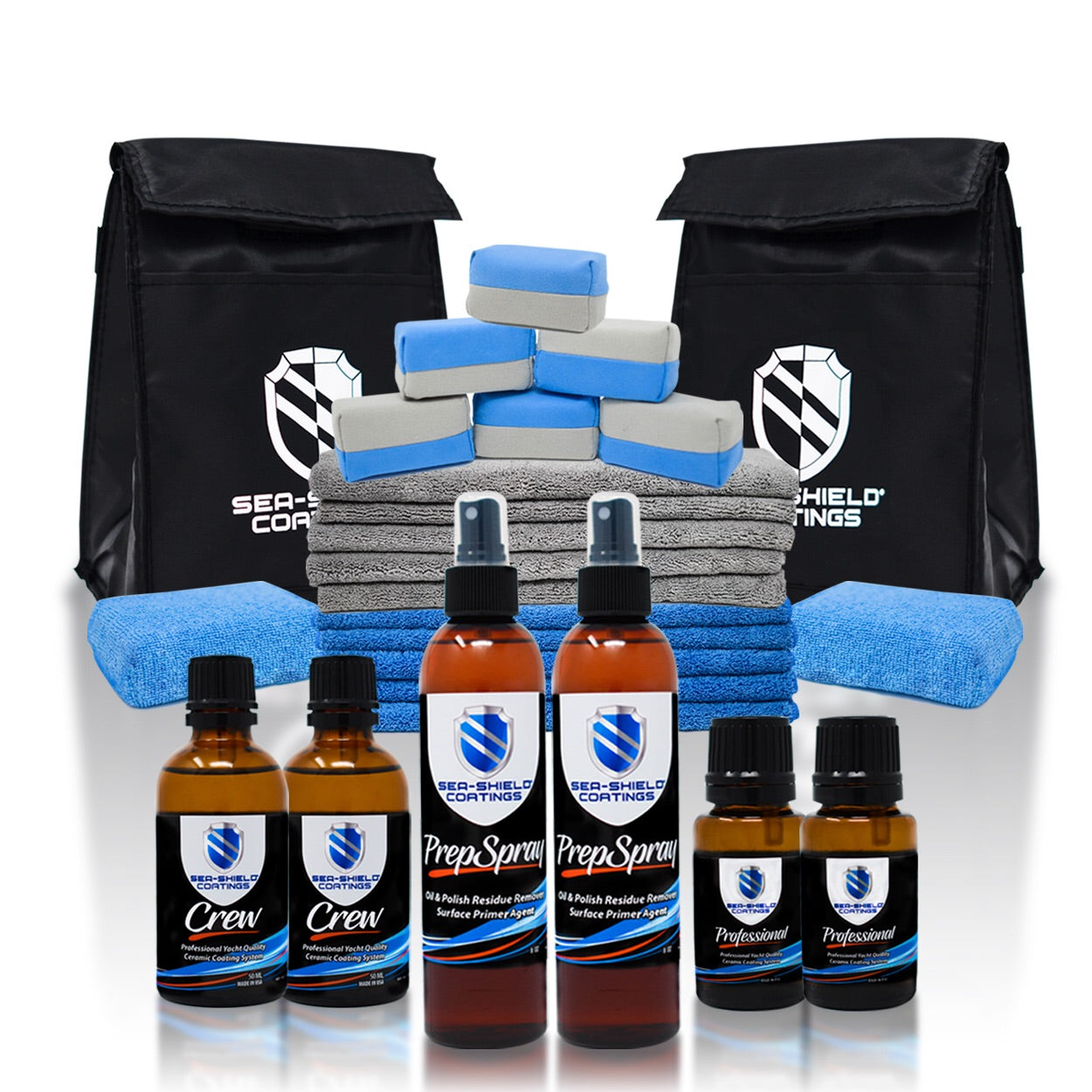
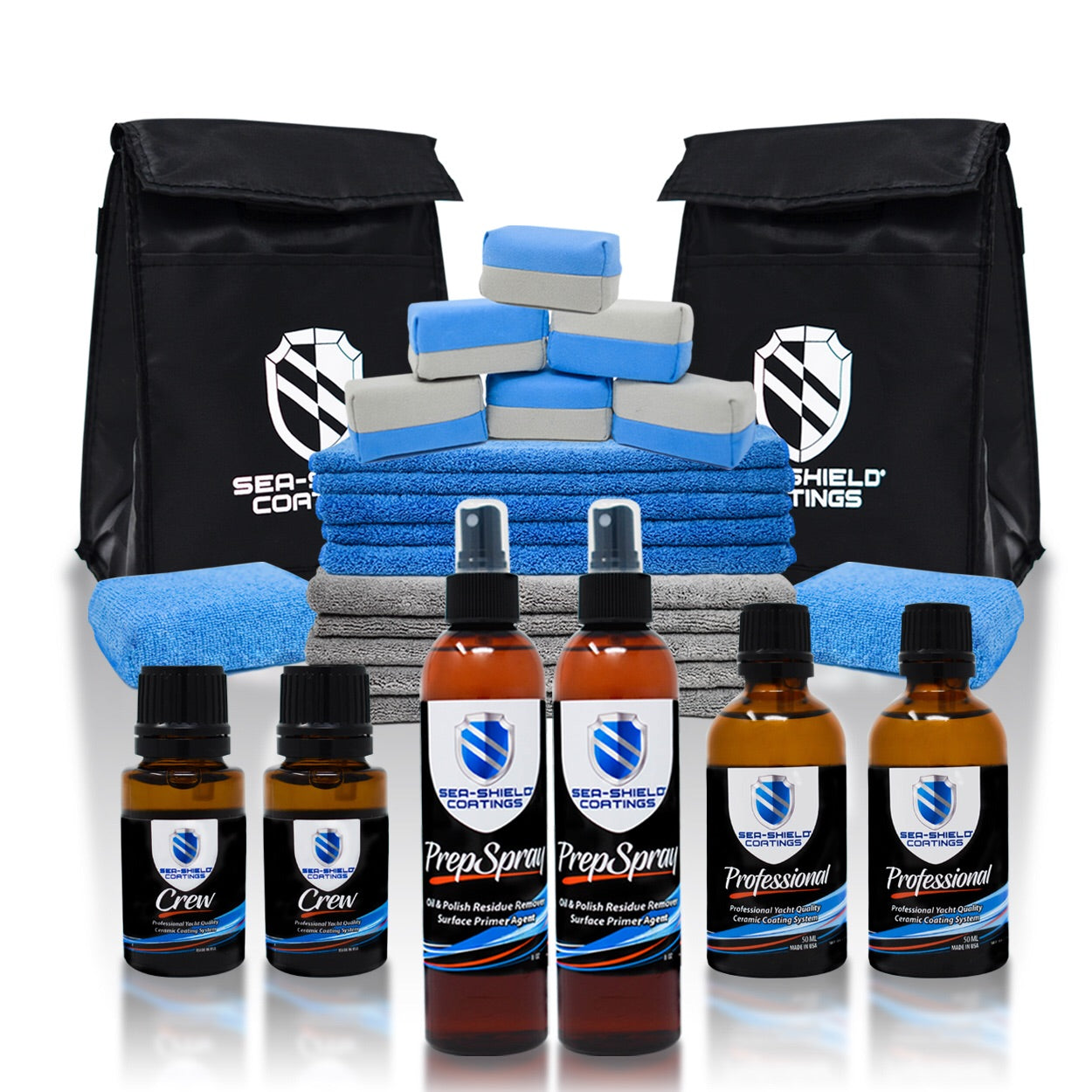
Step 3: Remove all polishing oils. This step is where many DIY applications fail. Even after polishing, the surface carries residual oils from the compounds and polishes. A dedicated prep spray removes those oils and creates a clean, bonding-ready surface. Skipping this step is one of the most common reasons coatings don't last.
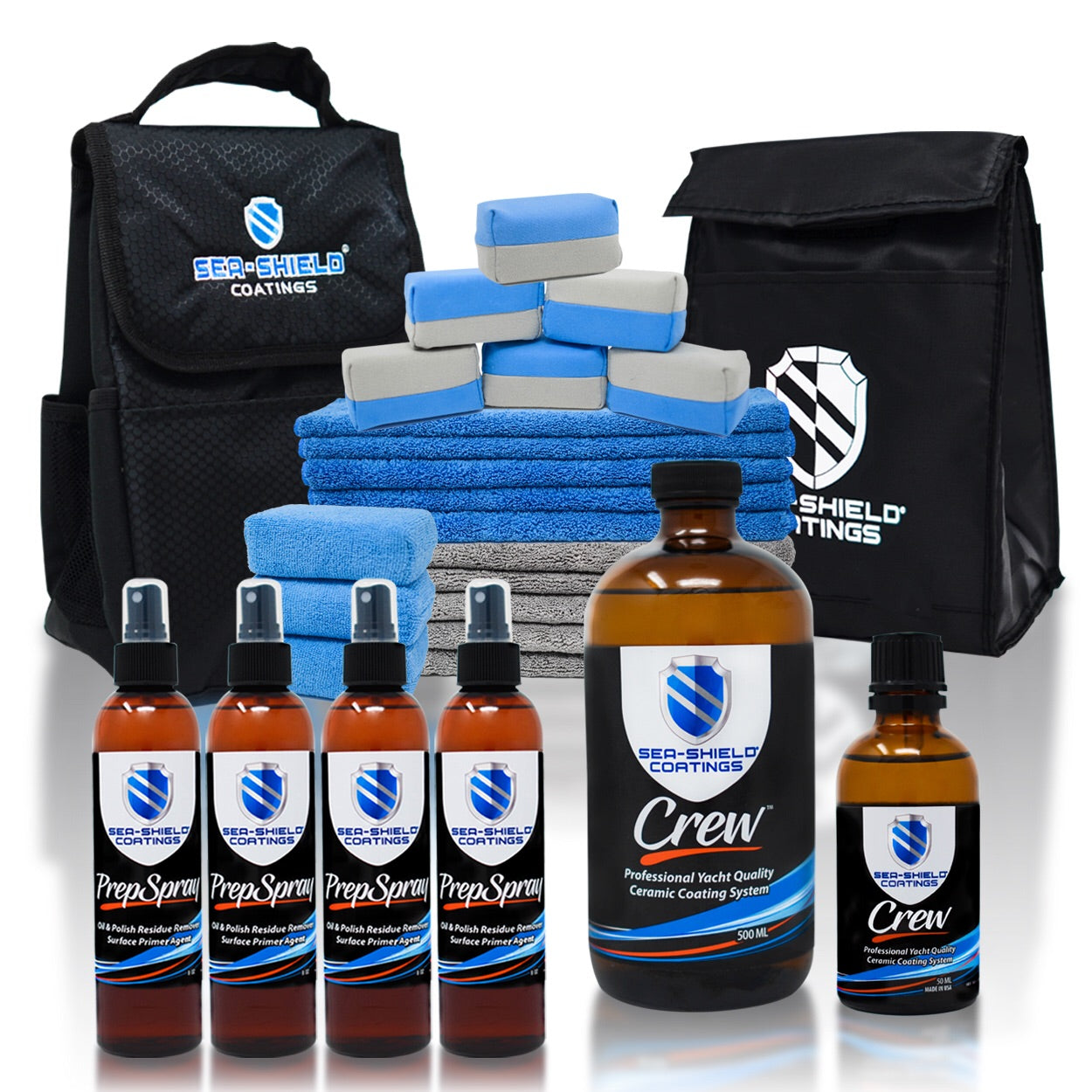
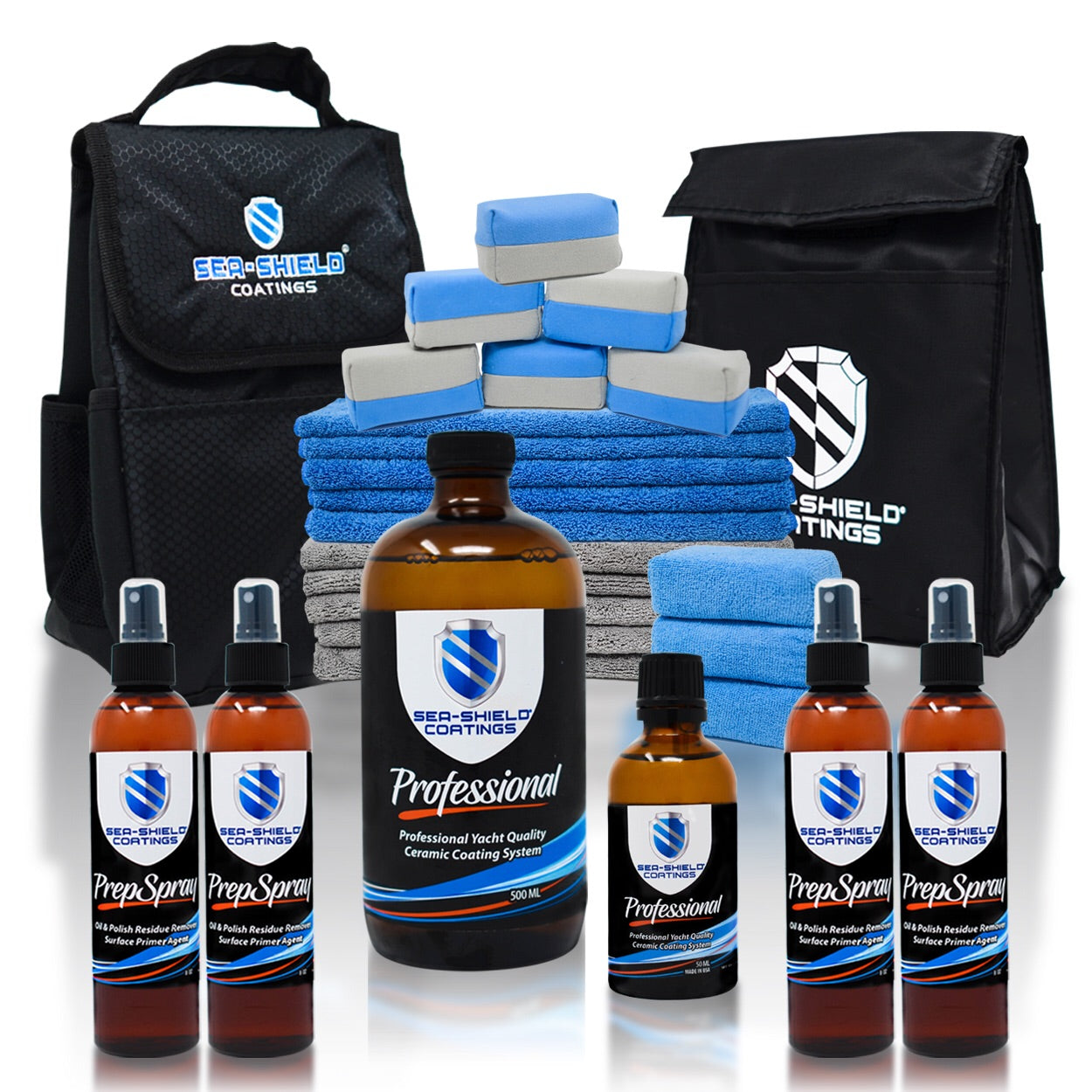
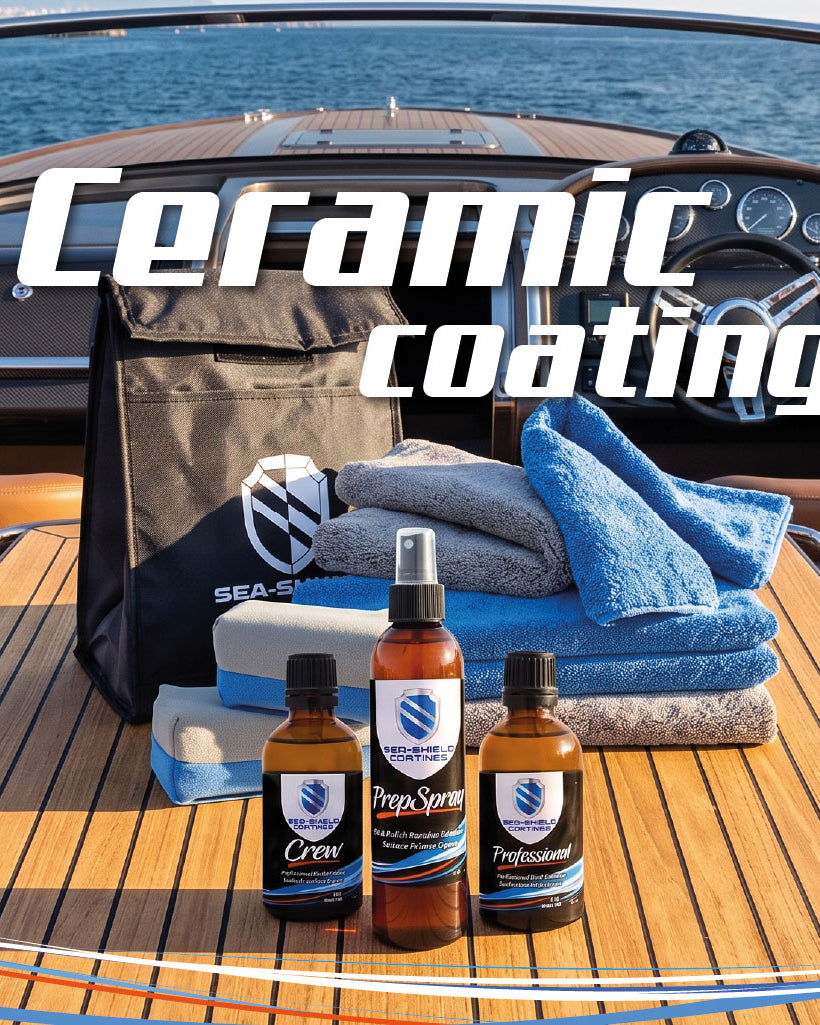
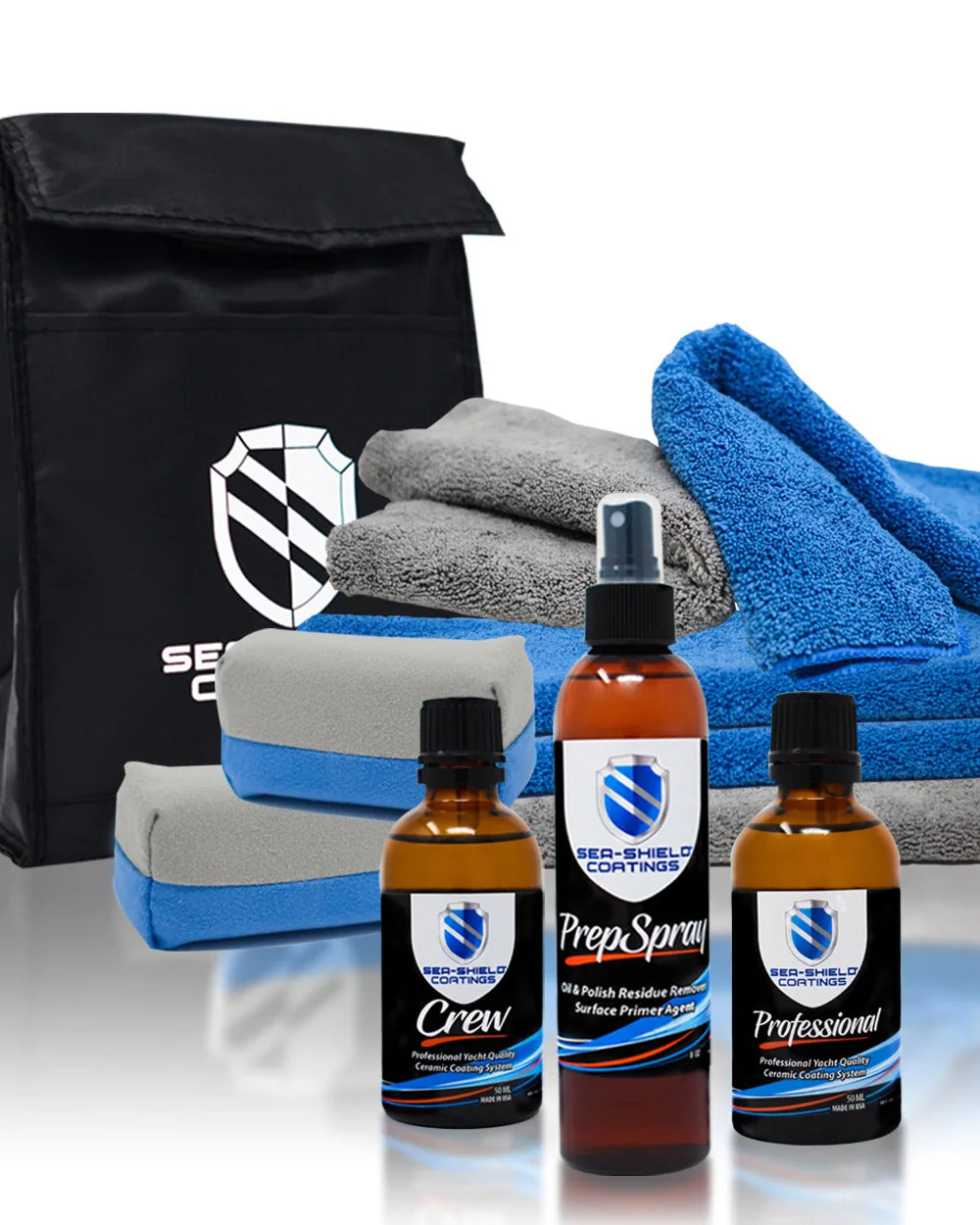
Marine-grade systems like those from Sea-Shield require a full prep process, including compounding, polishing, and a dedicated prep spray to ensure proper bonding and durability.

Reason 2: Improper Maintenance and Wash Care
A lot of boat owners coat their hulls, feel confident, and then return to the same washing habits they had before. That's where things go wrong. Improper Maintenance and Wash Care erodes even the best ceramic coating over time.
The biggest culprit is using the wrong soap. Many household cleaners, dish soaps, and even some marine soaps contain harsh chemicals or degreasers that strip the coating. They degrade the hydrophobic layer gradually. After several washes, you're left with a surface that no longer beads water properly and has lost much of its protective capacity.
Here's what proper wash care looks like for a coated boat:
-
Use a dedicated, pH-neutral marine boat soap that is safe for ceramic coatings. The formula should clean effectively without degrading the coating's molecular bond.
-
A ceramic-safe wash routine and periodic booster products help maintain hydrophobic performance between applications.
-
Rinse with fresh water after every saltwater exposure. Salt is abrasive over time. Even with a coating in place, leaving salt sitting on the surface accelerates wear.
The mistake most people make is treating a ceramic coating like an invincible shield. It isn't. It's a durable layer that responds to how well you care for it. Consistent, gentle washing extends coating life significantly. Harsh, inconsistent washing shortens it just as fast.

Reason 3: No Routine Maintenance or Coating Refresh
This reason is closely linked to improper maintenance but deserves its own discussion. Many boat owners apply a ceramic coating and expect it to last indefinitely without any follow-up care. That expectation leads to a lot of disappointment.
So, how long does ceramic coating last on a boat? With proper care and regular maintenance, a quality marine ceramic coating can last 1–2 years or more with proper preparation and maintenance, depending on exposure and usage. Some professional-grade formulations applied under ideal conditions can push beyond that. But exposure, wear, and washing all affects the timeline. Without periodic refresh, even the best coating will thin out and lose effectiveness.
The solution is not to recoat every year from scratch. A simple maintenance routine keeps the coating performing at its best:
-
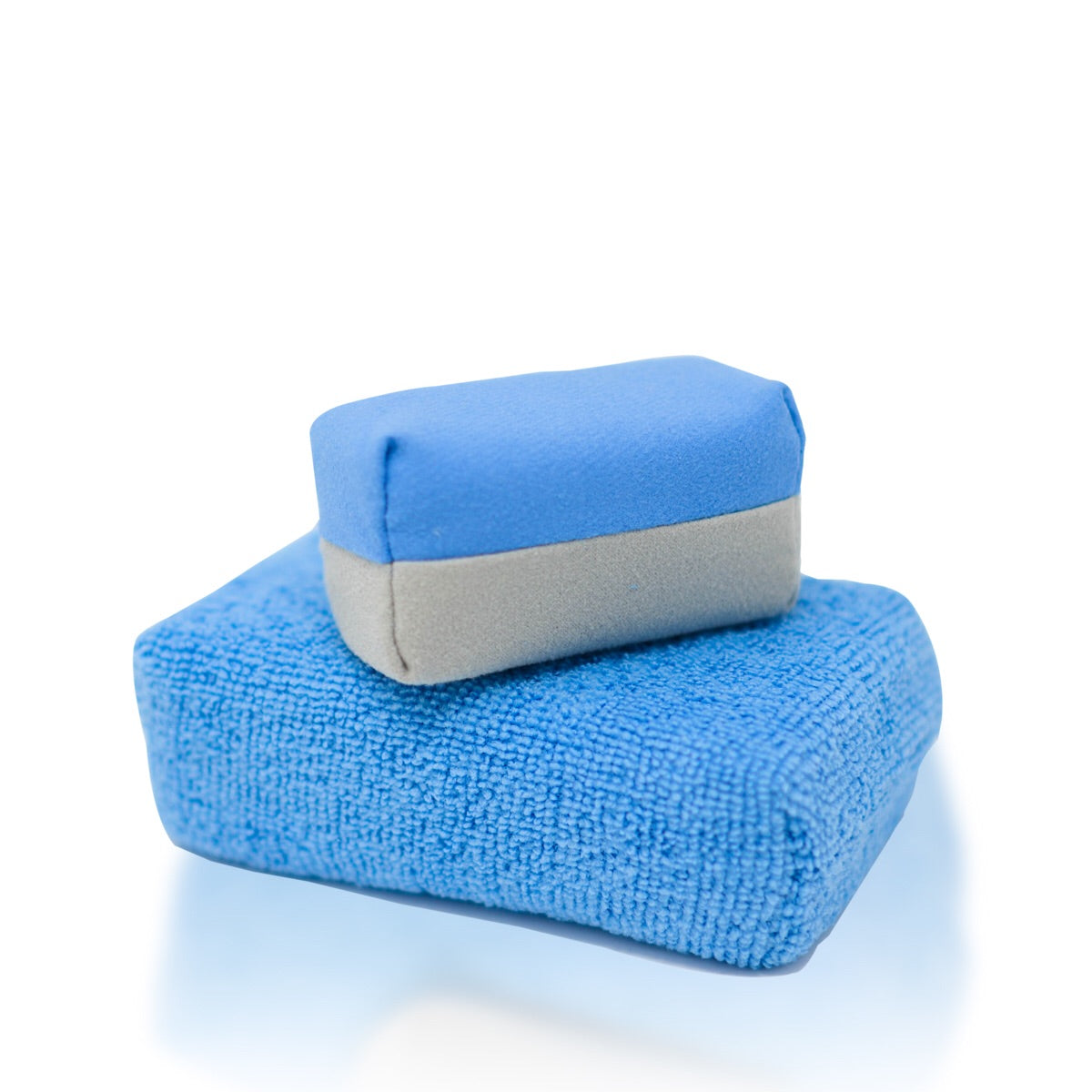
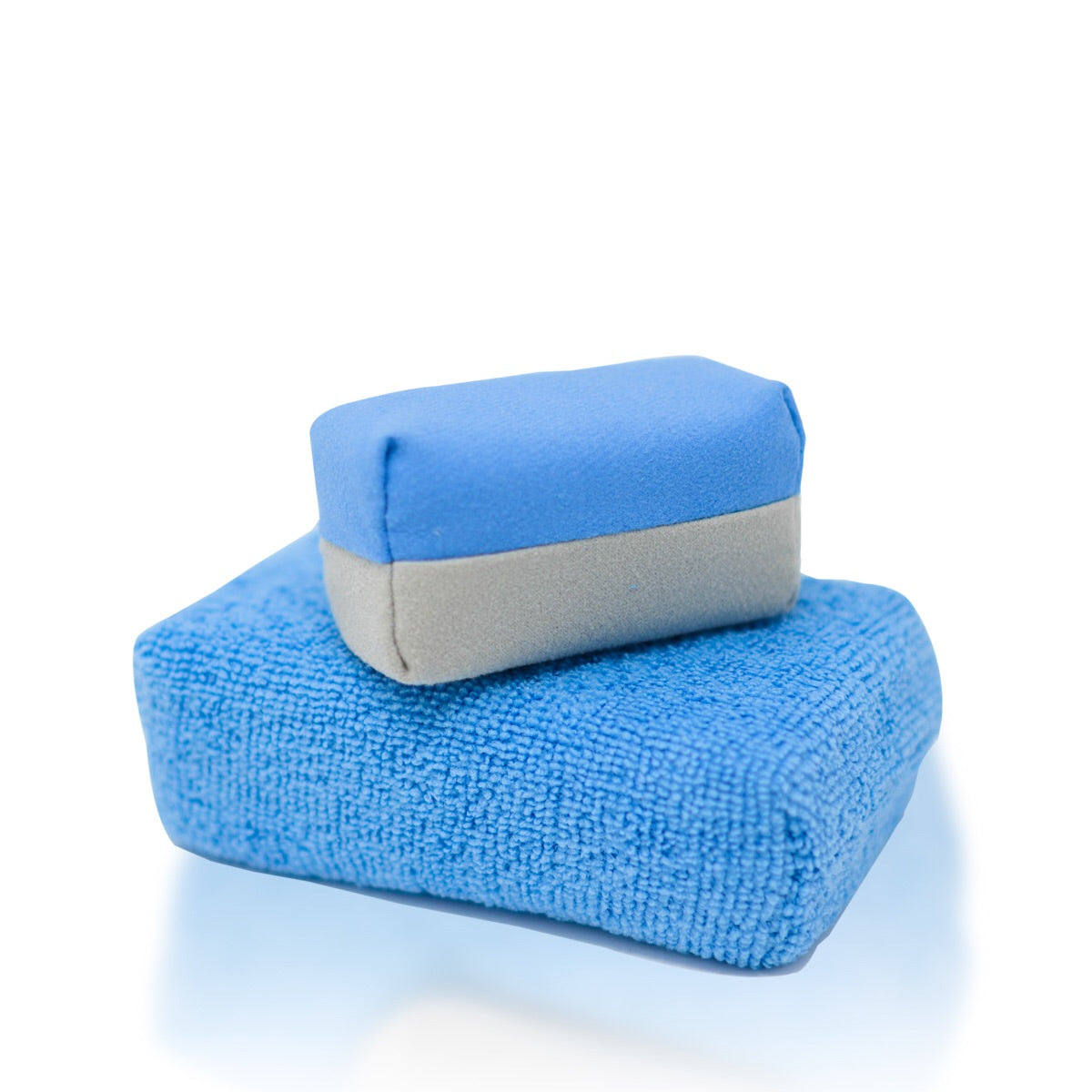
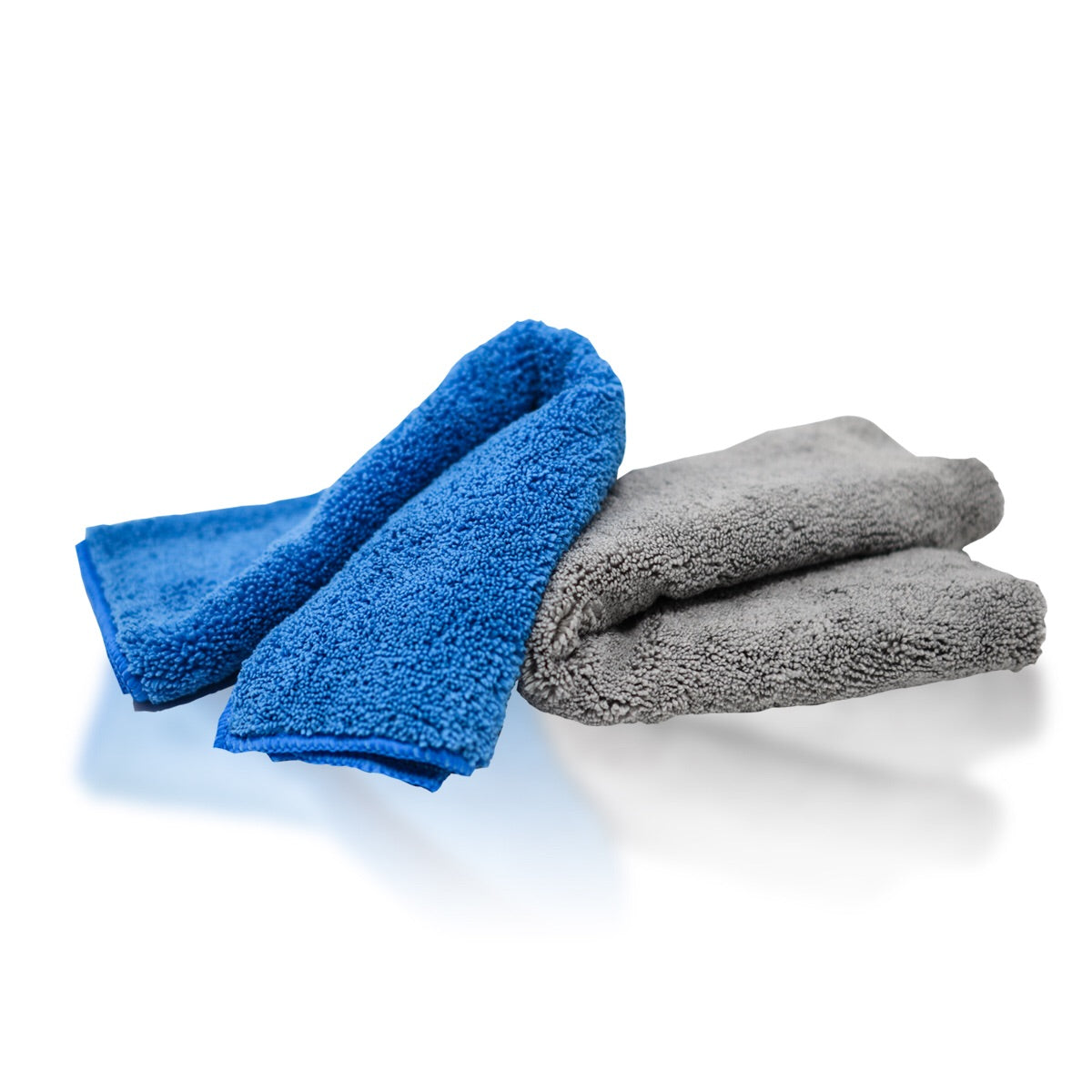
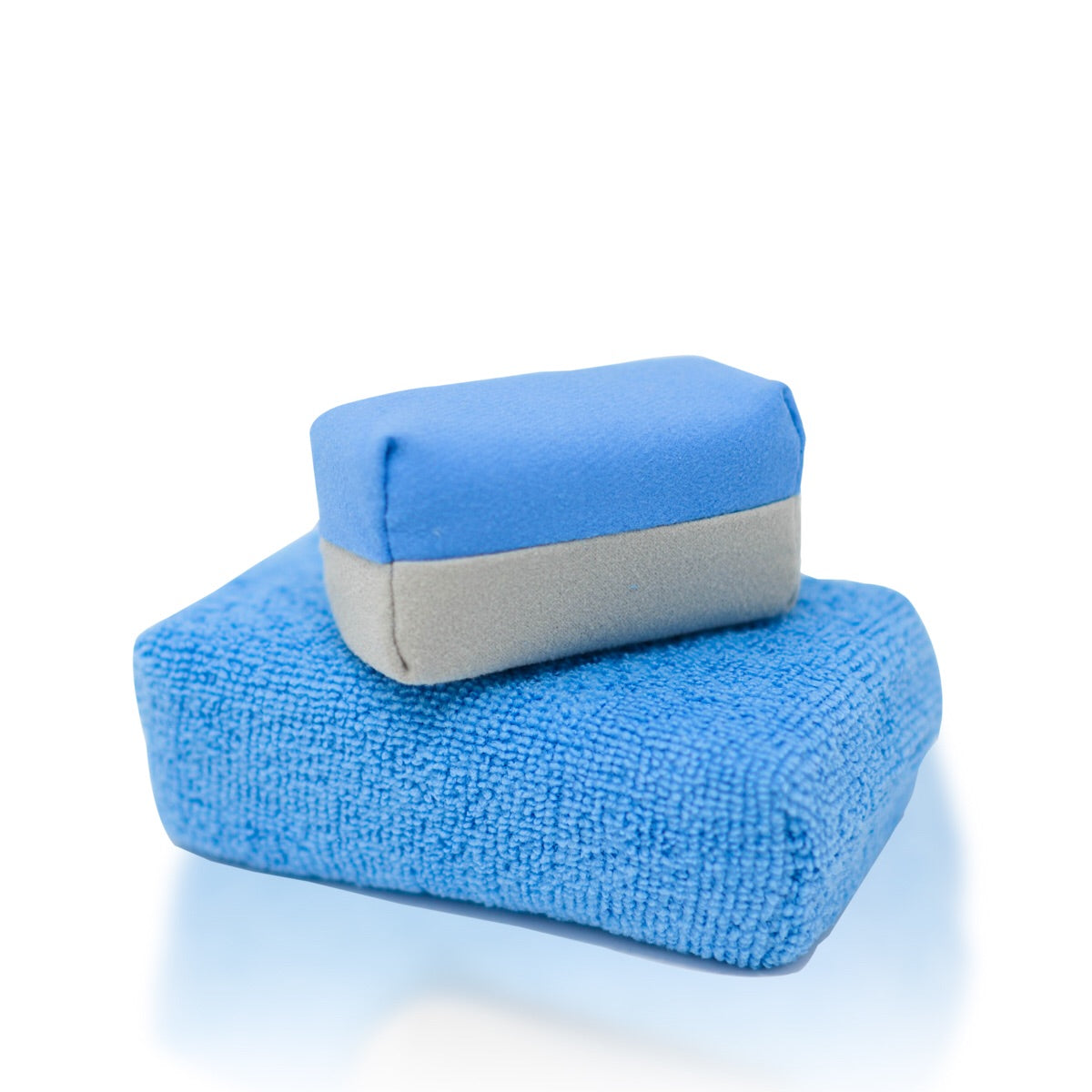
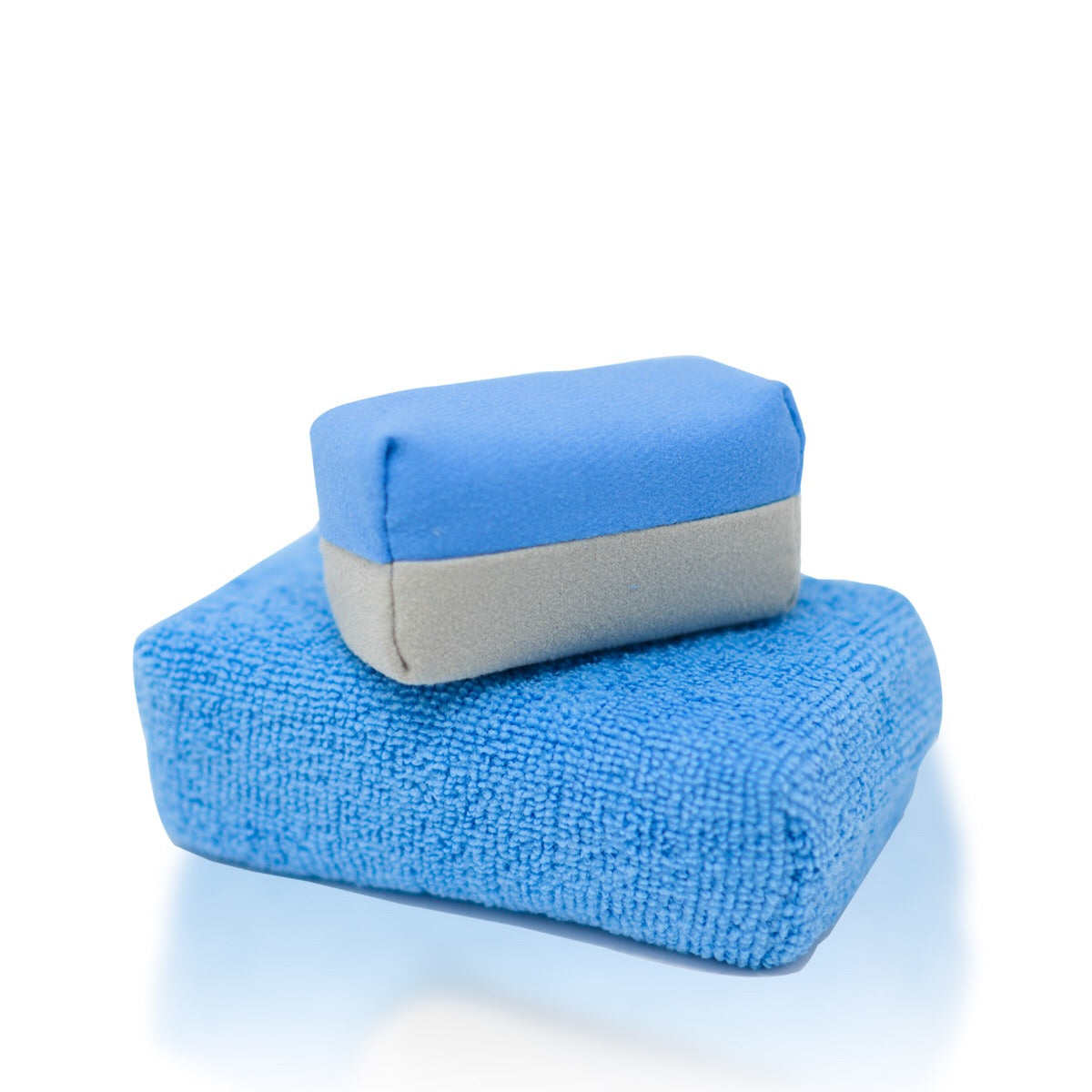
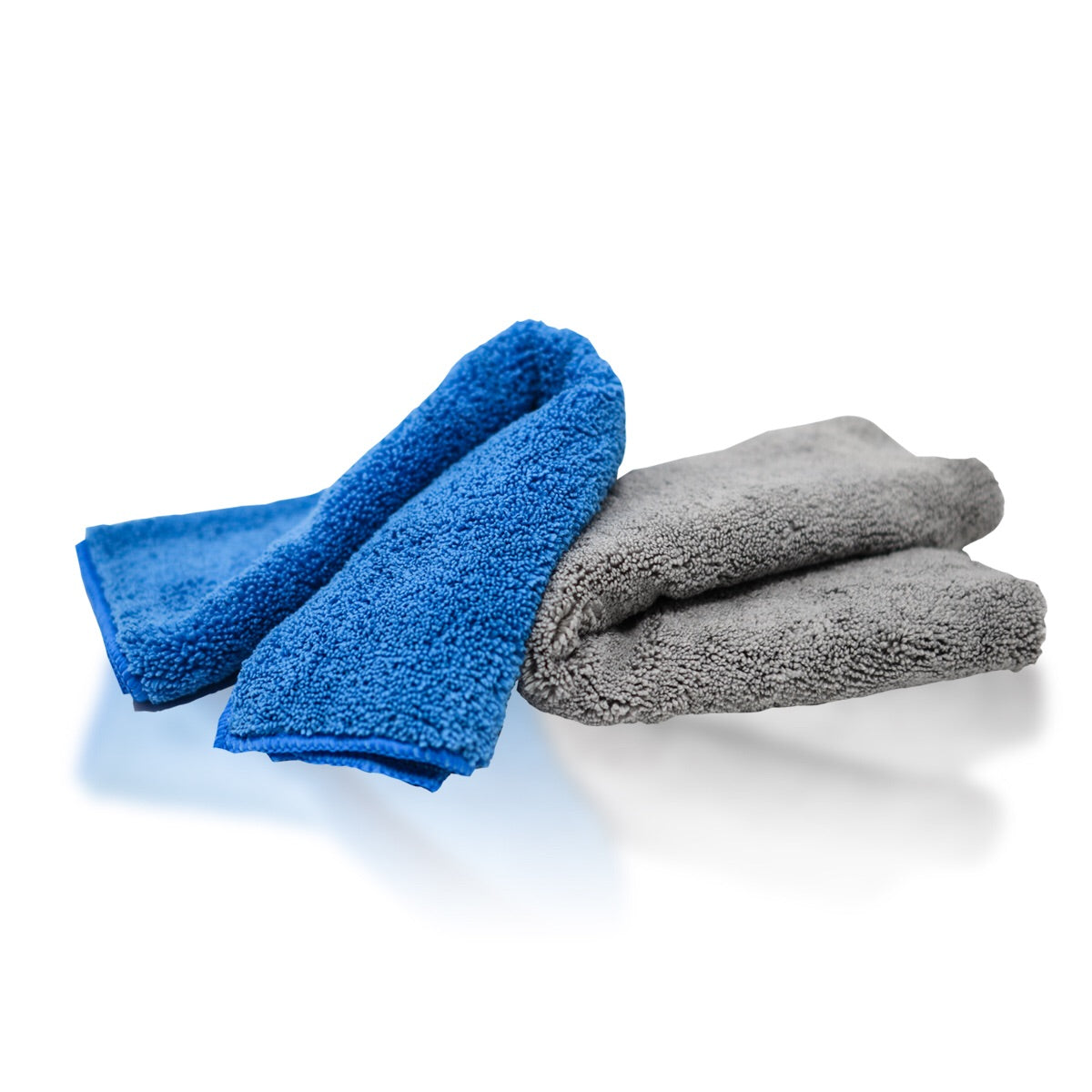
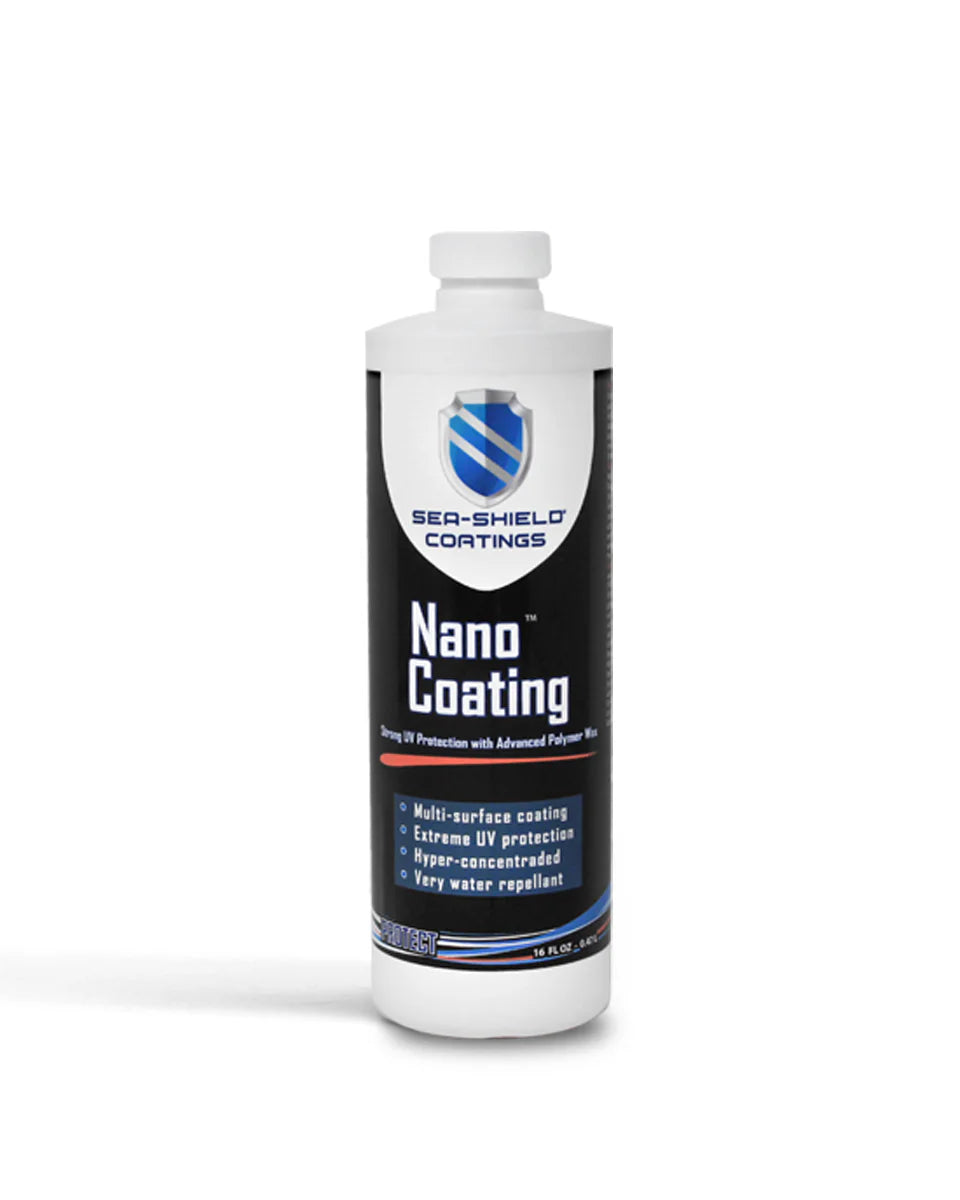
After washing, apply a ceramic spray topcoat. Products like a ceramic-compatible maintenance spray or topcoat can be applied to all surfaces, including paint, gelcoat, metals, vinyl, and trim. Spray onto a microfiber applicator and apply a thin coat. This fills in any thinning areas and restores the hydrophobic properties.
-
Inspect the coating periodically by watching how water behaves on the surface. If water stops beading tightly and starts sheeting or sticking, the coating needs refreshing.
-
Schedule a full recoat every one to two years depending on usage. Boats that live in the water and get used frequently will need attention more often than boats stored out of water between uses.

What Does a Failed Ceramic Coating Actually Look Like?
A failed ceramic coating shows up in several visible ways. Water stops beading. The surface looks dull or hazy where it used to shine. You might see uneven patches where the coating has worn thin in high-contact areas. Salt and water spots start sticking and become harder to remove after washes.
In more severe cases, especially where surface prep was skipped, you'll see streaking or a blotchy appearance that no amount of washing will fix. At that point, the only real solution is to strip the surface back down, complete the full preparation process, and recoat correctly from the beginning.
Conclusion
Ceramic coating works exceptionally well when the process is followed correctly. The three reasons most coatings fail on boats come down to inadequate surface preparation, Improper Maintenance and Wash Care, and skipping routine refresh and maintenance. None of these problems are complicated to fix. They just require attention to detail and the right products for the marine environment.
If your coating has already failed, the path forward is straightforward. Strip back to bare paint or gelcoat, work through the full preparation process with the right compounds and polishes, and apply a fresh ceramic coating correctly this time. Done right, a properly applied and maintained ceramic coating protects your boat's surface for years and makes ongoing care genuinely easier with every wash.
For marine-grade ceramic coatings, compounds, polishes, and complete application kits built specifically for boats and megayachts, visit Sea-Shield.
FAQs
1. Can I apply ceramic coating on top of old wax or sealant?
No. Wax and sealant residue sits on the surface and prevents the ceramic coating from bonding properly. All previous products need to be fully removed during the preparation process before the coating goes on.
2. How long does ceramic coating last on a boat with regular maintenance?
With proper prep, correct application, and consistent wash care, a quality marine ceramic coating typically lasts one to two years. Regular use of a spray topcoat and gentle washing extends that lifespan.
3. Is ceramic coating enough on its own, or does my boat need additional protection?
Ceramic coating is a strong foundation, but it works best as part of a layered protection system. A quality base ceramic coating paired with a regular refresh spray and pH-neutral soap gives you far better protection than coating alone.
4. Can I apply ceramic coating myself, or do I need a professional?
Both options work, but surface preparation is non-negotiable either way. DIY kits designed for crew and boat owners are available and come with everything needed for application. The Starter Pack Ceramic Coating is worth considering for larger vessels or highly oxidized surfaces that require significant correction work.
5. Why does my ceramic coating look streaky or uneven after applying?
Streaking usually means one of three things: the surface had residual polishing oils that weren't removed, the coating was applied on a surface that was too hot, or too much product was applied and not buffed off before it flashed. Always use a prep spray after polishing, work in the shade, and buff off the ceramic coating in small sections before moving on.