

Crews ask the same question every season: is a marine coating just an expensive wax? It isn't. The difference tends to show up around the six-month mark, when one surface is still shedding water and black streaks and the other has gone dull and chalky.
Here are straight answers to the questions we get most often about protecting yacht paint and gelcoat.
Marine coatings and car wax solve different problems
For years, boat owners and detailers have reached for products from the major automotive care brands. Those are capable products — they were simply developed with cars in mind. A car doesn't sit in salt water, and it doesn't take constant UV exposure off a reflective surface for months at a stretch.
Sea-Shield is built specifically for watercraft: for the harsh conditions caused by constant exposure to salt water and ultraviolet rays. Rather than laying a sacrificial layer of wax on top of a tired surface, the system uses proprietary technology developed to restore surfaces to like-new condition.
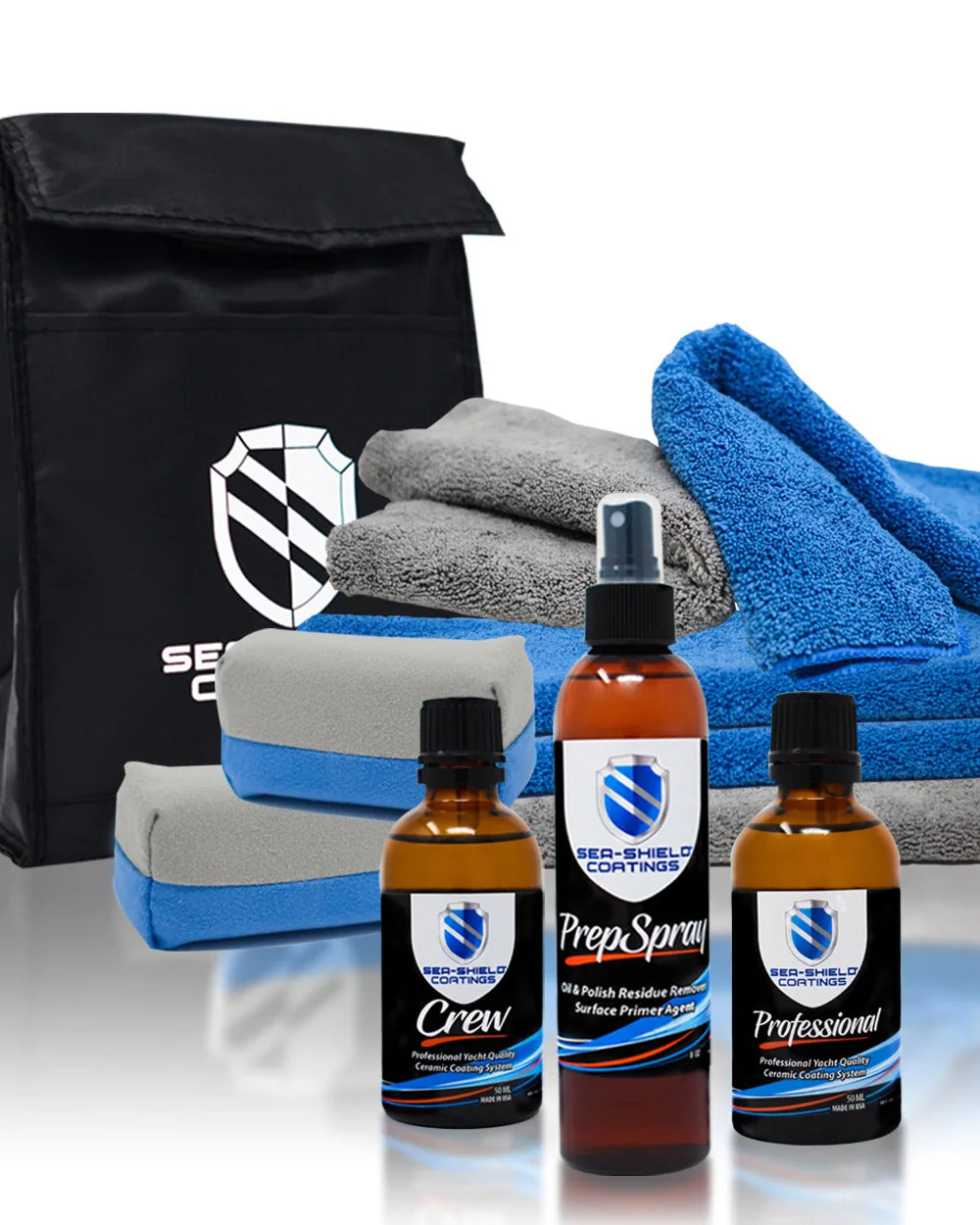
The Sea-Shield System is a process, not a single product
This is the part that trips people up. The Sea-Shield System is a step-by-step process that takes a surface back to like-new. We do offer a Cleaner Wax for deep cleaning, polishing, and protecting paint and gel coat in one step — but like every cleaner wax on the market, it won't deliver a like-new finish on genuinely aged paint or gelcoat. For that, you need correction first, protection second.
The three levels of marine protection
Which protection is right depends on two things: what surface it's going onto, and how long it needs to last.
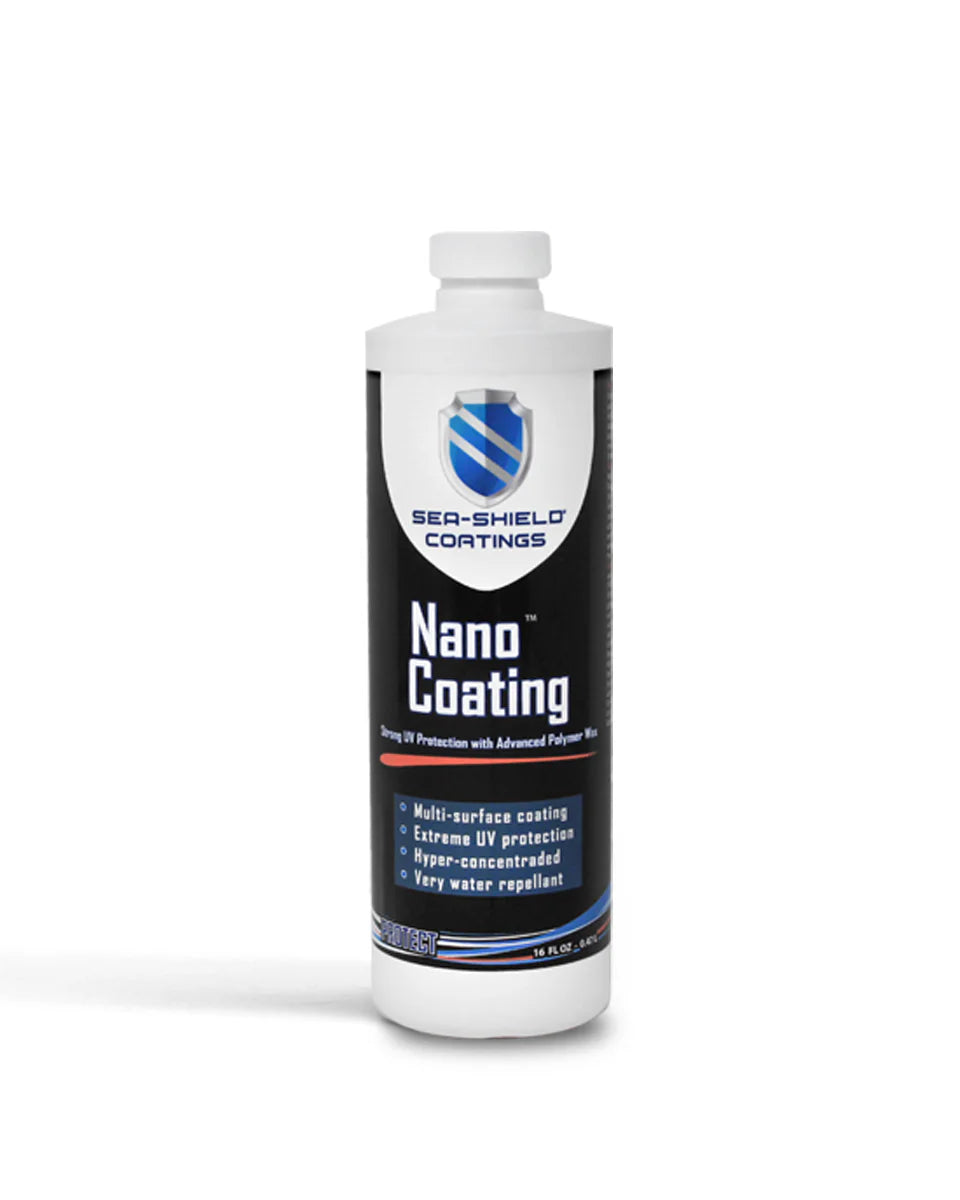
Nano Coating
Nano Coating is a multi-surface coating with UV inhibitors and hydrophobic properties that hydrate and protect the surface. It's the general-purpose option across a vessel.
Exhaust Guard
Exhaust Guard is a resin-based surface sealant built to seal and protect finishes from black streaks, engine exhaust, industrial fallout, salt air, acid rain, and UV. It works on paint, gel coat, and hypalon, and it leaves a noticeably wet-look shine.
Ceramic
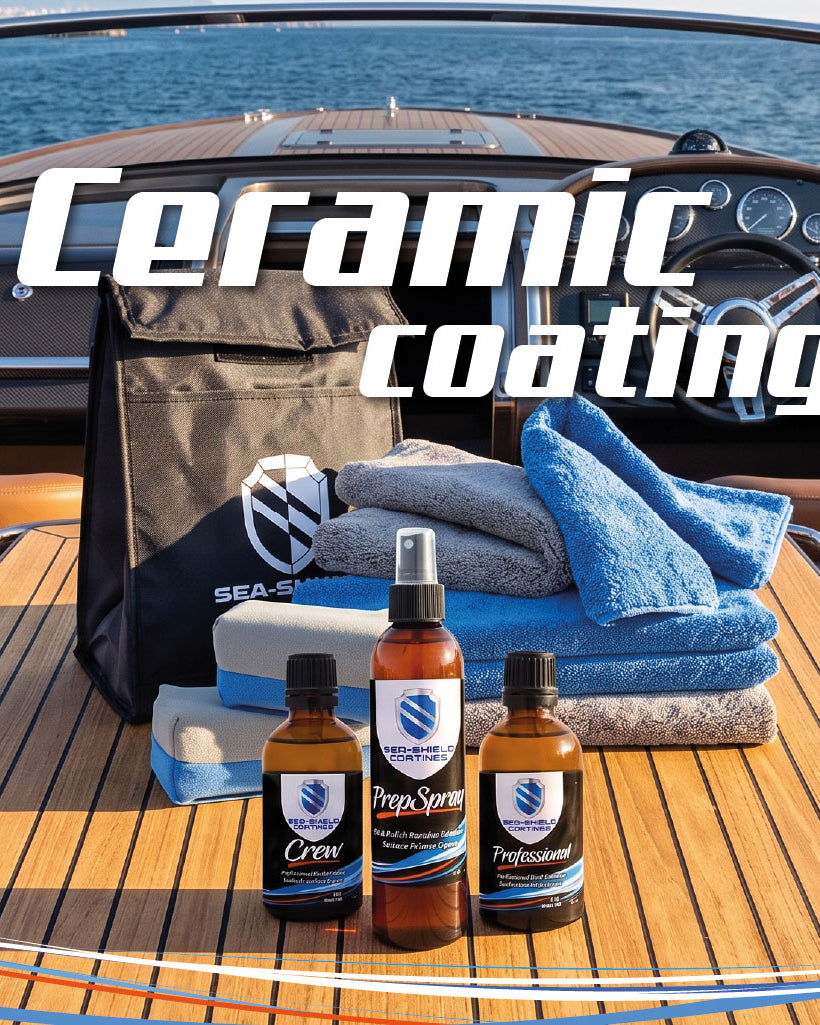
Sea-Shield Ceramic is a non-toxic surface coating for marine vessels and land vehicles in harsh environments, built with Exhaust Guard technology. It handles temperatures up to 1,000°F and bonds permanently to most surfaces, protecting against UV, corrosion, hard water, salt, and exhaust buildup while producing a mirror-like gloss.
What we recommend on brand-new paint
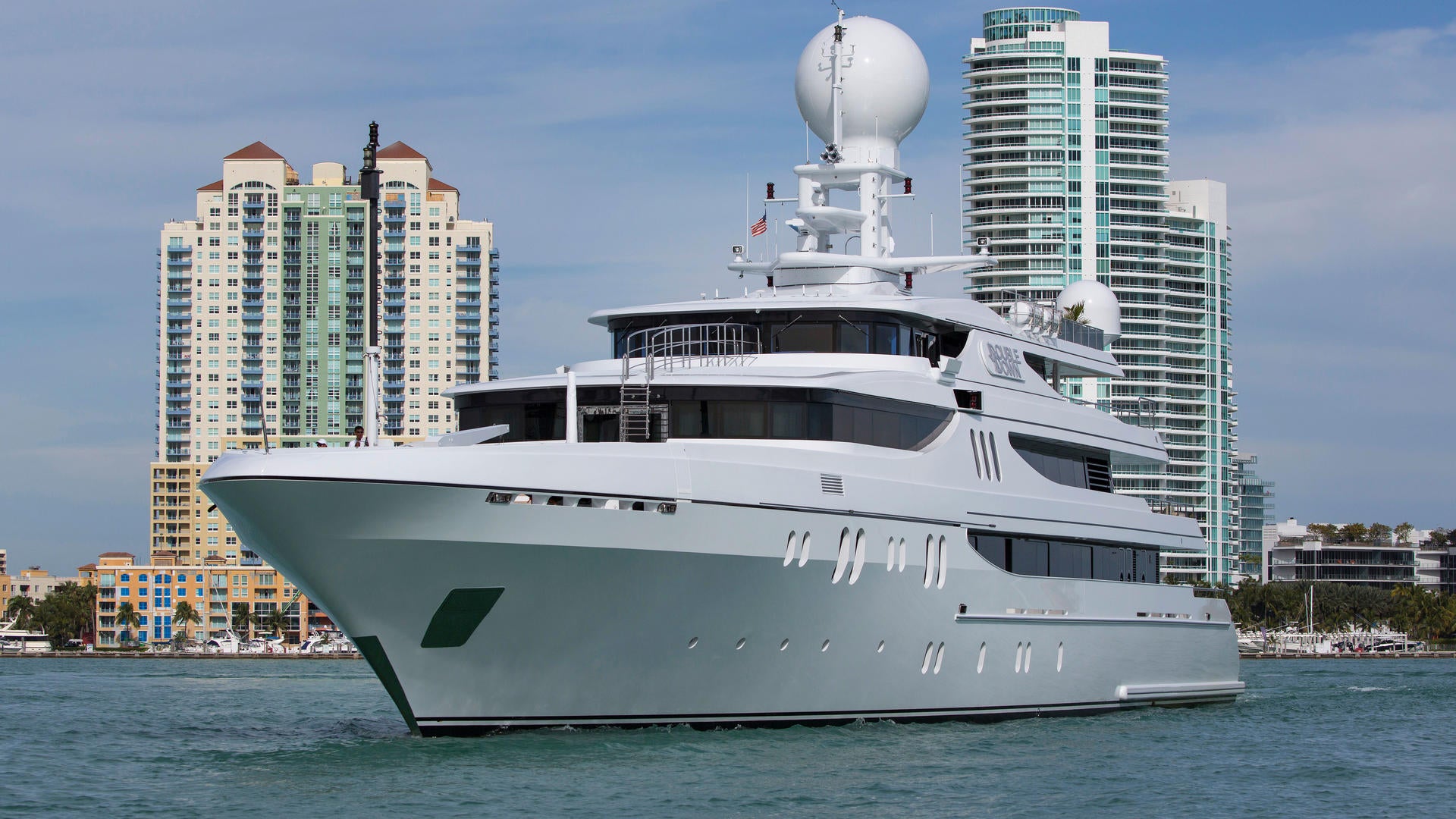
For a new superyacht, start with Exhaust Guard. It can go straight onto new paint with no preparation at all, as long as the paint is clean and shiny.
For water lines and vessels with heavy exhaust issues, use Exhaust Guard Ceramic. It's permanent, but it can be buffed out or lightly sanded if you ever need to touch up the paint underneath.
How to apply a ceramic coating on a yacht or boat
If you'd rather watch than read, this walks through the application start to finish:
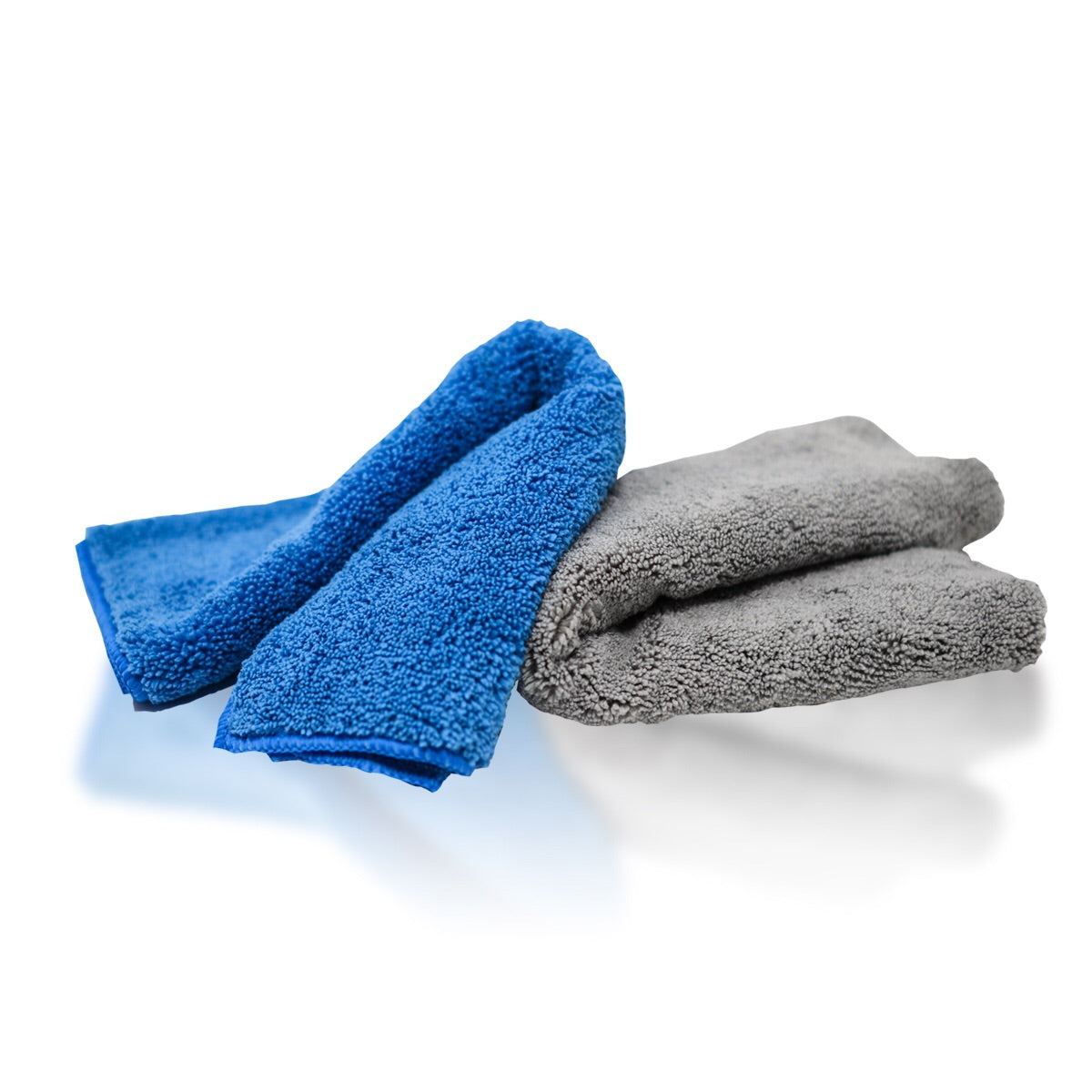
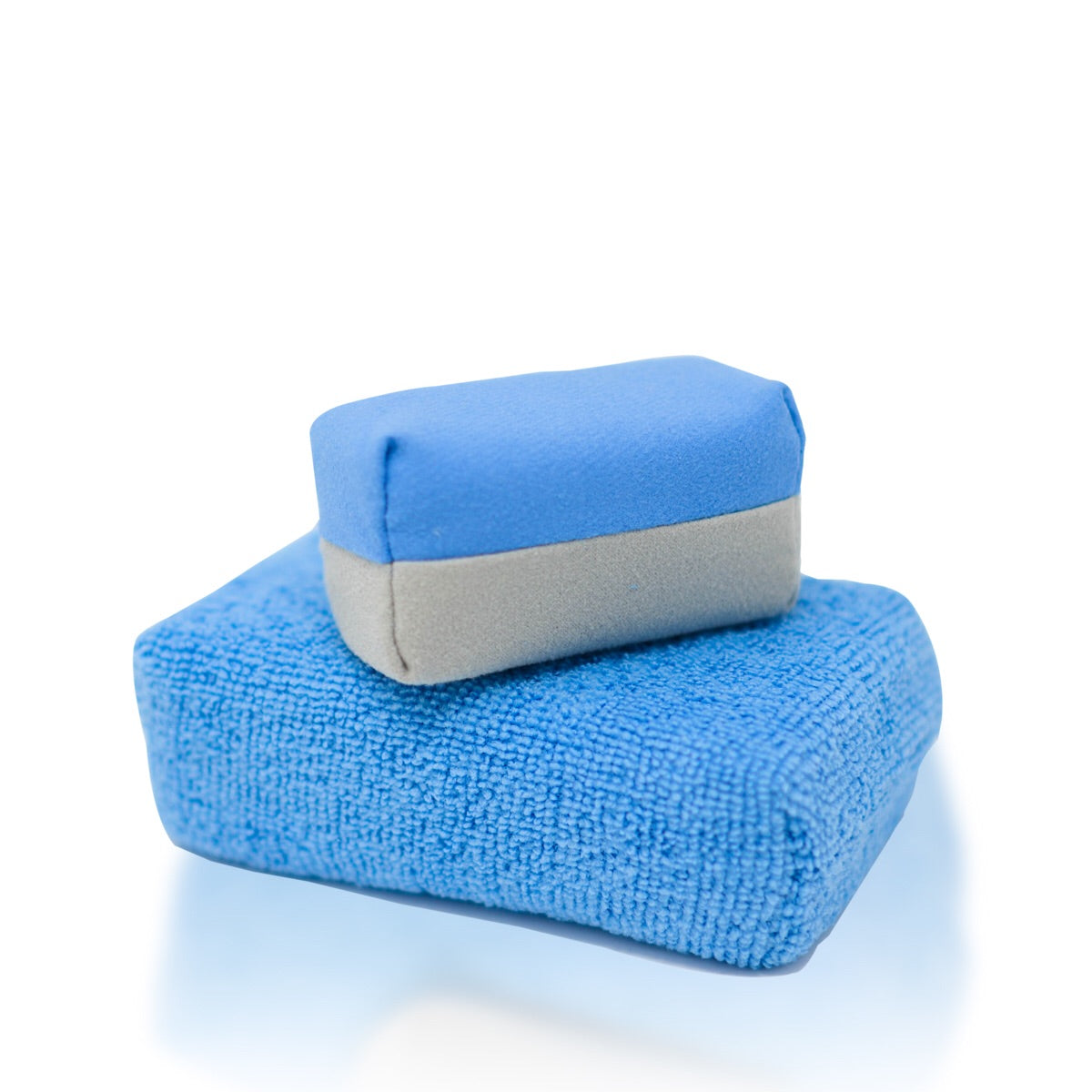
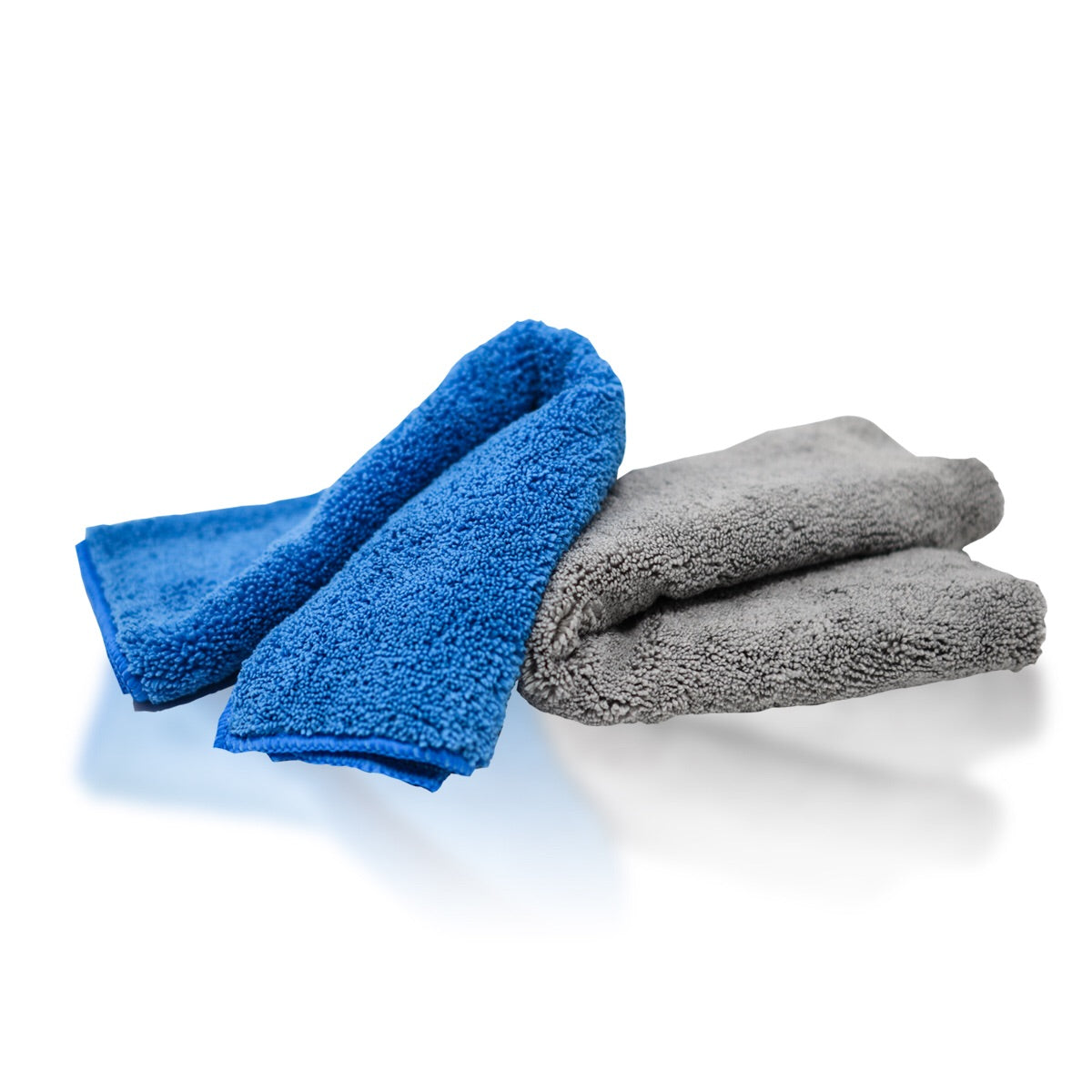
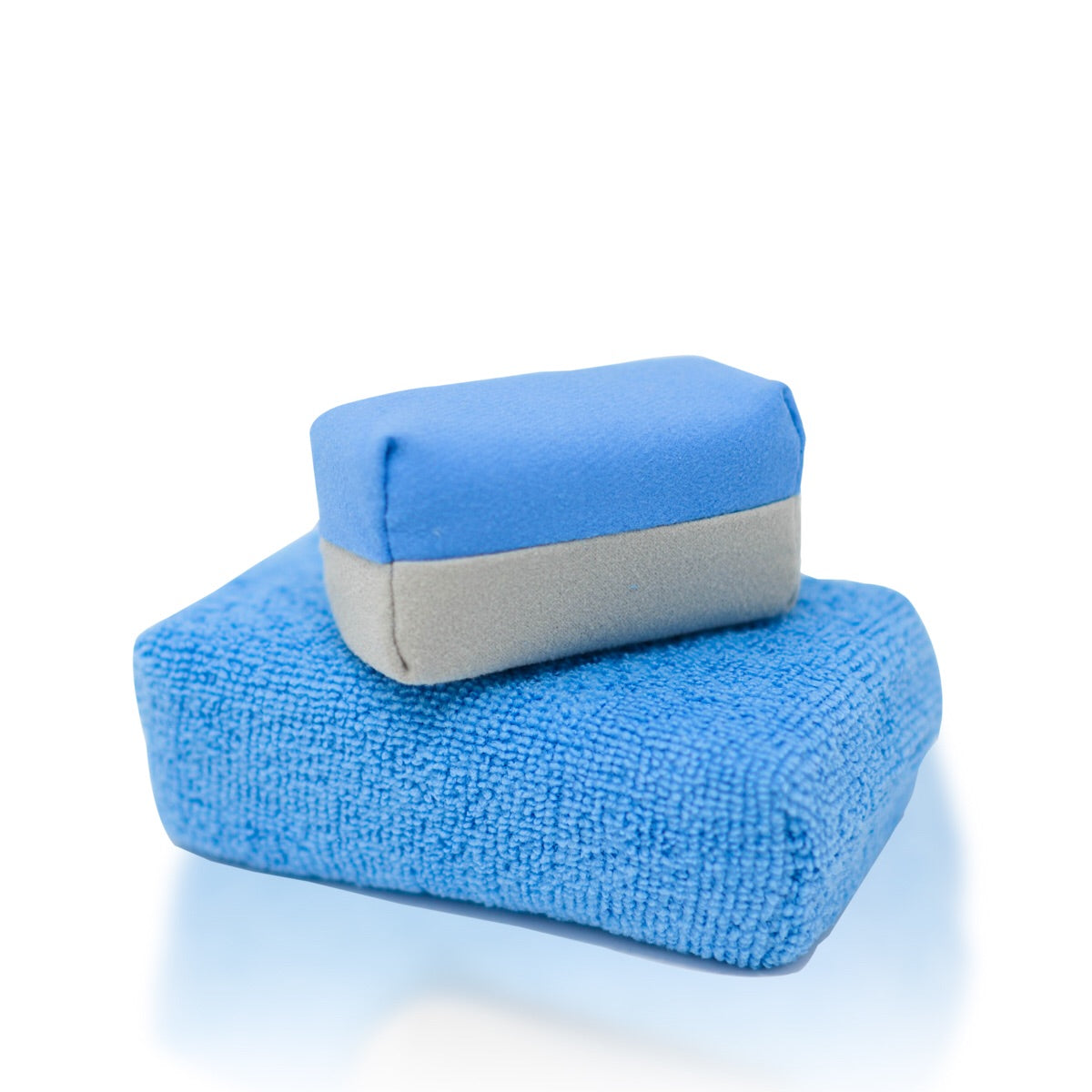
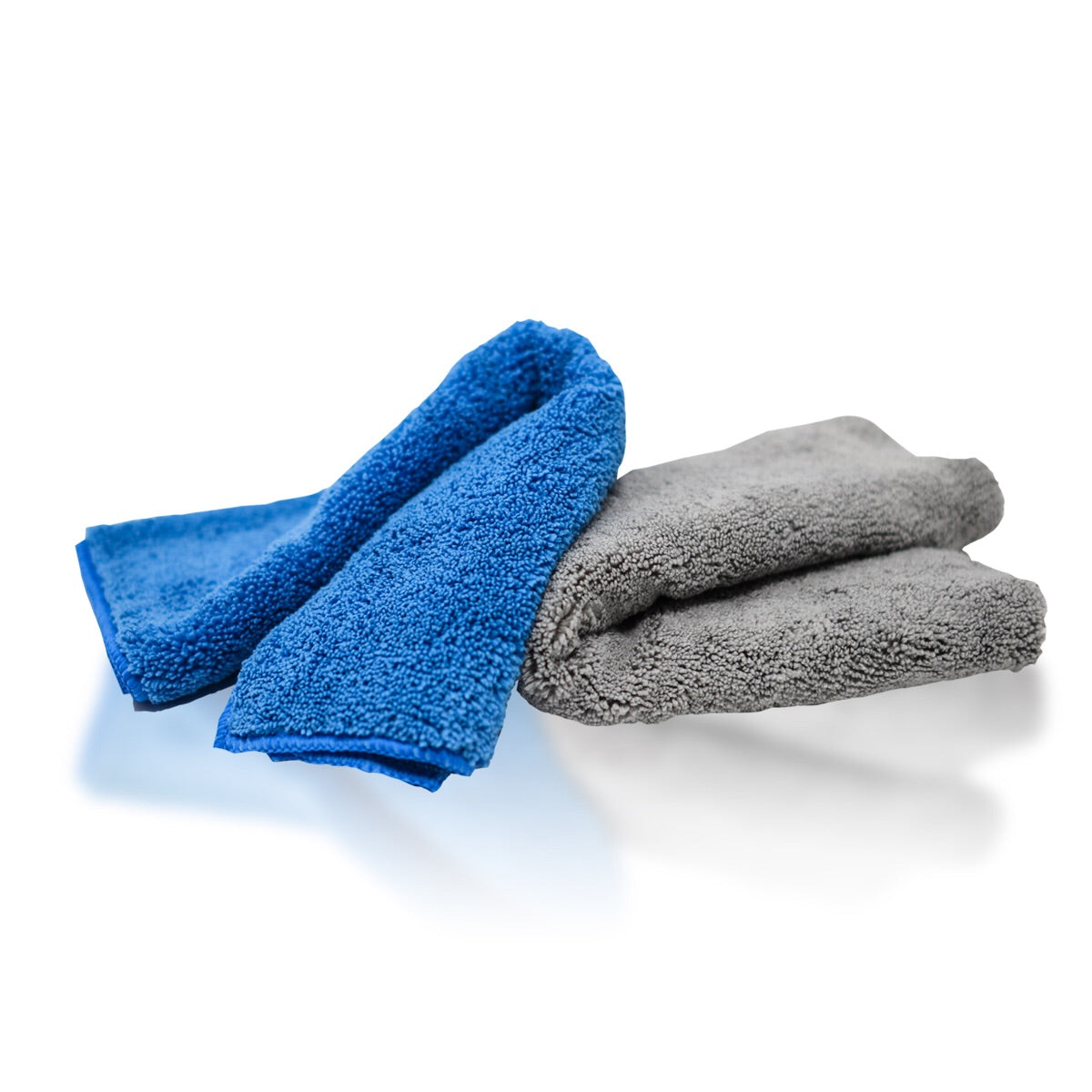
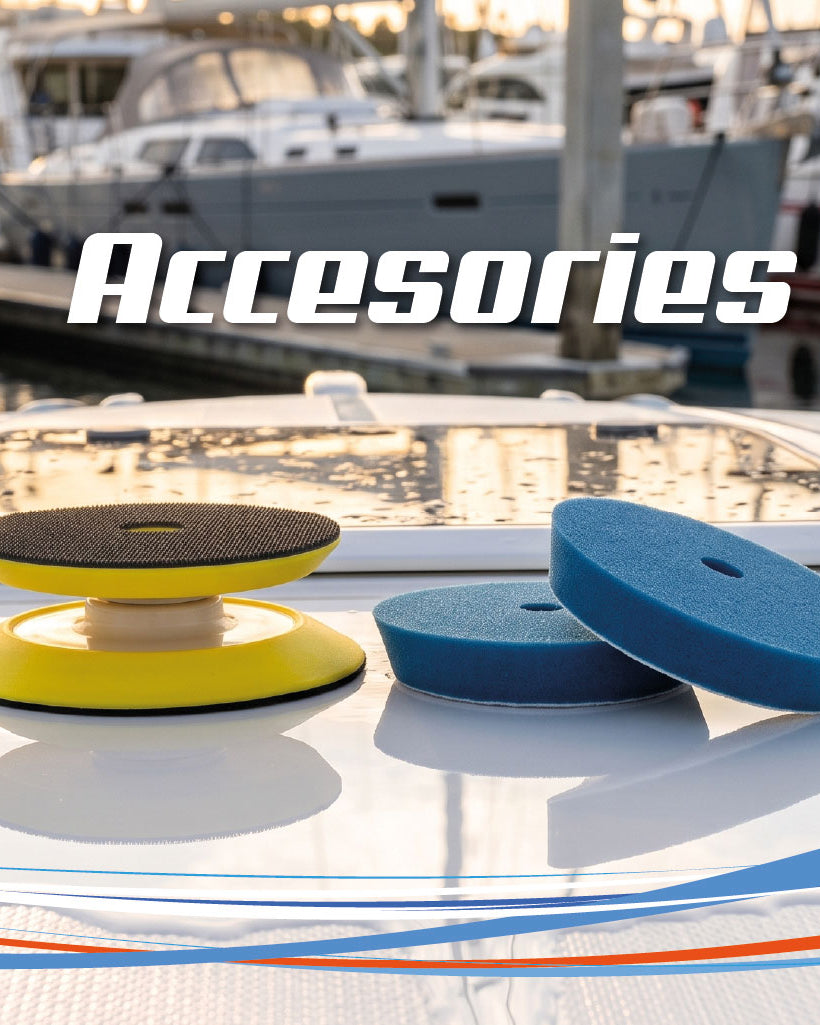
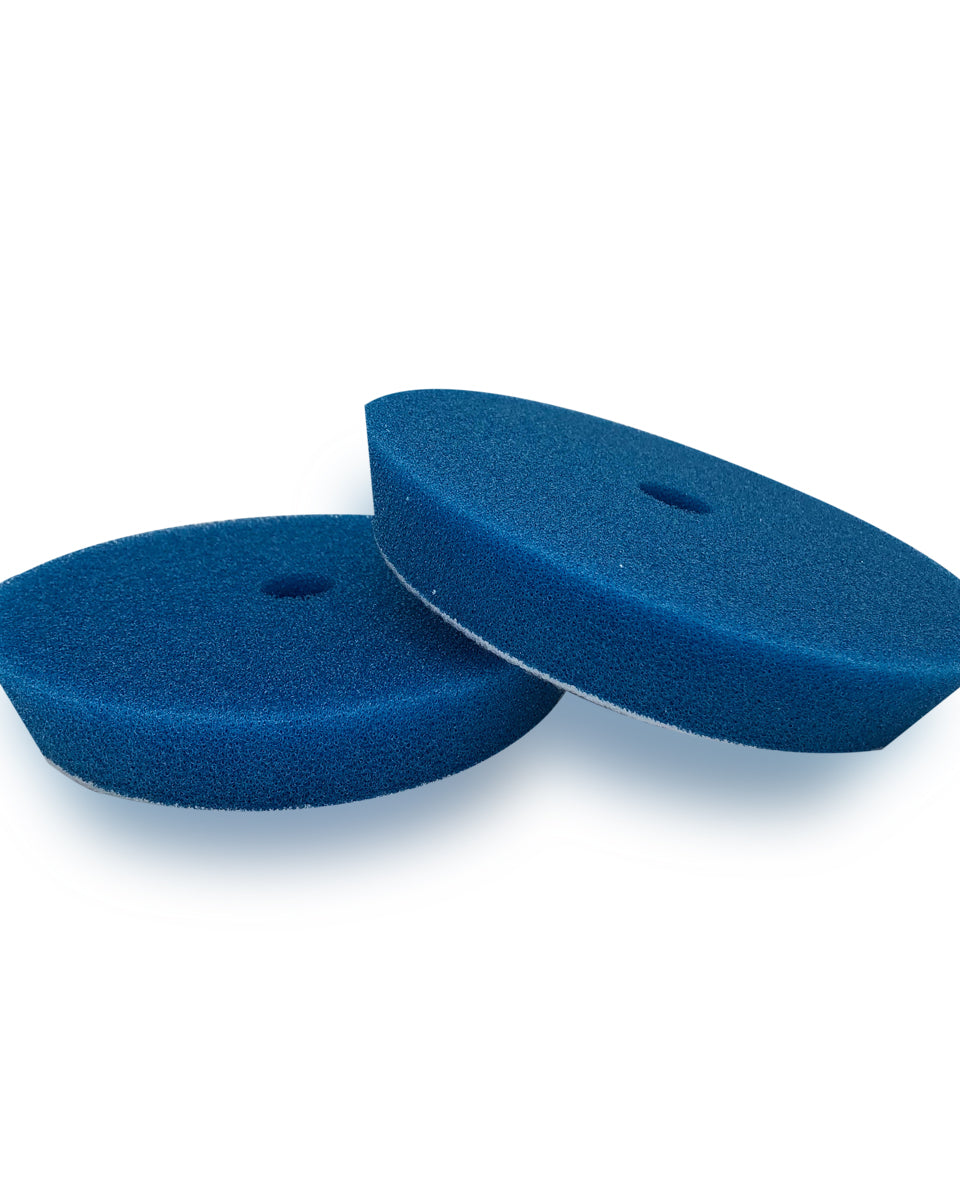
Exhaust Guard Sealant can be applied by hand, or with a slow-RPM dual action polisher and a soft pad to help spread it over large surfaces. Work in three to five square metre sections and wipe off the excess section by section.
Exhaust Guard Ceramic goes onto a clean, shiny surface using an applicator towel, in small sections, with excess wiped off within one to three minutes. Three coats, spaced 30 to 60 minutes apart, performs best. One important limit: after eight hours it can't be re-coated, because nothing will stick to it.
Can the crew apply it, or does it need a professional?
Crew can absolutely apply Exhaust Guard Sealant, and we encourage reapplication as often as the schedule allows. Many yachts already use it for maintenance on cap rails, water lines, and flat tops.
Larger areas like side brows are better handled professionally. Any excess product that isn't buffed out within the first five minutes will need a fine polish to remove, which is a much bigger job than it sounds.
How long does it actually last?
On a yacht in moderate use, Exhaust Guard Sealant lasts around six months. We'd rather crews not wait until it stops performing — different areas of a vessel take very different sun exposure, so some sections will want reapplication sooner than others.
Exhaust Guard Ceramic runs one to two years depending on the area, and can be lightly polished and reapplied. The surface resists chemicals and light abrasion well enough that heavy exhaust soot won't stick to the paint, and it won't crack the way some ceramic coatings do.
Recoating
Exhaust Guard Sealant can be re-coated at any time, unless it has deteriorated or you can see hard water marks, salt, or exhaust — in which case prep the surface first. On newer paint it removes easily by hand with any solvent, which also makes it straightforward to strip before a repaint. Exhaust Guard Ceramic can be re-coated once the surface has aged six to twelve months.
Why we don't offer a formal warranty
We've considered it, and we've been honest with ourselves about why it's difficult. Too much sits outside our control — chemicals used onboard can degrade surface protection well before its time.
So instead of a warranty we can't stand behind, we've built the business on repeat clients. We'll train your crew to get the most out of the products, and if something isn't right, we'll work to fix it. We'd rather do that than hand you a weak warranty that disappoints later.
What about paint that's already gone
Fender marks and faded paint aren't a lost cause. The Sea-Shield Paint Restoration System is a multi-step process that brings shine and protection back to older paint — swirl-free — and buys real time between paint jobs, which on a 125- to 200-foot vessel is a meaningful number.
Where to start
If you're not sure which level of protection fits your vessel, tell us the surface and how long it needs to hold, and we'll point you to the right product. Get in touch or call 1-800-673-8886.