





A dull or oxidized boat doesn't always need the most aggressive compound. The best marine compound for boats is the one that matches the condition of the surface: the severity of the oxidation, whether there are scratches or sanding marks, whether you're working on gelcoat or marine paint, and the finish you want at the end.
Professional marine paint correction follows one idea: remove only as much material as necessary, then progressively refine the surface. This guide shows how to match a marine compound for oxidation, or any boat polishing compound, to the actual condition of your gelcoat or yacht paint, so you choose the right level of correction instead of guessing.
Quick Product Selection Guide
| Surface condition | Sea-Shield product | Purpose |
|---|---|---|
| Heavy oxidation / sanding marks | Heavy Cut #1 | Aggressive initial correction |
| Moderate oxidation / sanding haze | Cut & Polish #2 | Medium correction and refinement |
| Swirls / fine scratches | Swirl Remover #3 | Fine correction |
| Light-to-moderate imperfections | Medium Compound | Balanced correction |
| Final refinement | Final Polish | Maximum clarity and gloss |
PROFESSIONAL RULE:
Start with the least aggressive combination capable of correcting the defect. Increase the cut only when necessary.
What Does Marine Compound Actually Do?
Marine compound is an abrasive surface-correction product. It doesn't simply cover oxidation. Compounding mechanically removes a very small amount of deteriorated surface material to expose a cleaner, more uniform surface underneath.
That makes a boat rubbing compound useful for:
- Oxidation and chalkiness
- Faded gelcoat
- Sanding marks
- Fine and moderate scratches
- Surface haze
- Loss of gloss
It helps to keep three jobs separate. Compound removes defects. Polish refines the finish. Protection helps preserve the corrected surface. Ceramic coating and wax are protection. They aren't substitutes for proper correction.
Heavy Cut #1 — For Serious Correction
Heavy Cut #1 is the most aggressive step in the Sea-Shield system. It's designed for severe oxidation, significant surface defects, moderate scratches, and sanding marks in the range of 1000-grit.
That doesn't mean every oxidized boat should start here. Heavy Cut is the right choice when a less aggressive compound can't produce the correction you need. After heavy correction, the surface should normally be refined progressively before any protection goes on.
For a closer look at severe oxidation on painted surfaces, see our guide to removing heavy oxidation from Awlgrip paint.

Cut & Polish #2 — For Moderate Oxidation
Cut & Polish #2 sits in the middle of the range as an intermediate correction and refinement step. It's suited to moderate oxidation, chalkiness, fine scratches, and the sanding haze left at roughly 1500-grit.
It's also the natural next step after Heavy Cut #1, where it helps clean up the marks the first compound leaves behind.

Swirl Remover #3 — Refine the Finish
Swirl Remover #3 isn't meant to do the same job as Heavy Cut. Its purpose is fine correction and refinement once the larger defects have been dealt with: swirls, fine scratches, and light oxidation.
CUT → REFINE → POLISH → PROTECT

Medium Compound — Balanced Correction
Medium Compound fits when the surface doesn't need aggressive cutting. It's a non-dusting synthetic abrasive suited to light-to-moderate defects on appropriate marine paint, clear coat, and gelcoat.
The principle is the same throughout this guide: don't automatically reach for the strongest compound. Match the abrasive level to the actual condition of the surface.

Final Polish — Bring Out the Gloss
Once the defects are gone, the goal shifts from correction to refinement: clarity, gloss, and a surface that's ready for protection. Final Polish is the finishing step for that stage.
A properly corrected yacht surface should look excellent before ceramic coating or protection is applied. Protection should preserve a properly prepared finish, not hide poor surface preparation.

Compound vs. Polish vs. Protection
Compound
Removes defects and oxidation.
Polish
Refines the corrected surface and increases clarity and gloss.
Protection
Helps preserve the finished surface.
Applying wax or ceramic coating over remaining oxidation isn't proper surface restoration. The oxidation is still there under the coating. For more on where protection fits, read marine ceramic coating vs. wax.
How to Compound a Boat for Better Results
This is the workflow experienced marine detailers follow:
- Wash and decontaminate the surface, using Sea-Shield Boat Soap for the wash.
- Inspect the surface under good lighting.
- Do a small test section before committing to the whole boat.
- Start with the least aggressive suitable compound and pad combination.
- Work manageable sections so the product doesn't dry out.
- Inspect the correction frequently as you go.
- Refine the finish progressively through the finer steps.
- Apply the appropriate protection system.
Results depend on several variables: machine type, pad selection, machine speed, pressure, working time, the surface material, and the condition of the surface. There's no single pad or speed that's right for every boat, which is why the test section matters. If you want extra working time, Sea-Shield Buffing Lube is made as a lubricant additive for compounds and polishes. Compatible buffing pads and backing plates are in the store.
For step-by-step instructions, see how to buff and restore dull boat paint and gelcoat and our guide to restoring a gelcoat surface.
Don't Stop After Compounding
Sea-Shield's correction philosophy has four stages:
- CORRECT. Remove oxidation and defects.
- REFINE. Remove compounding haze and finer imperfections.
- POLISH. Maximize clarity and gloss.
- PROTECT. Apply the appropriate Sea-Shield wax, nano, or ceramic protection system.
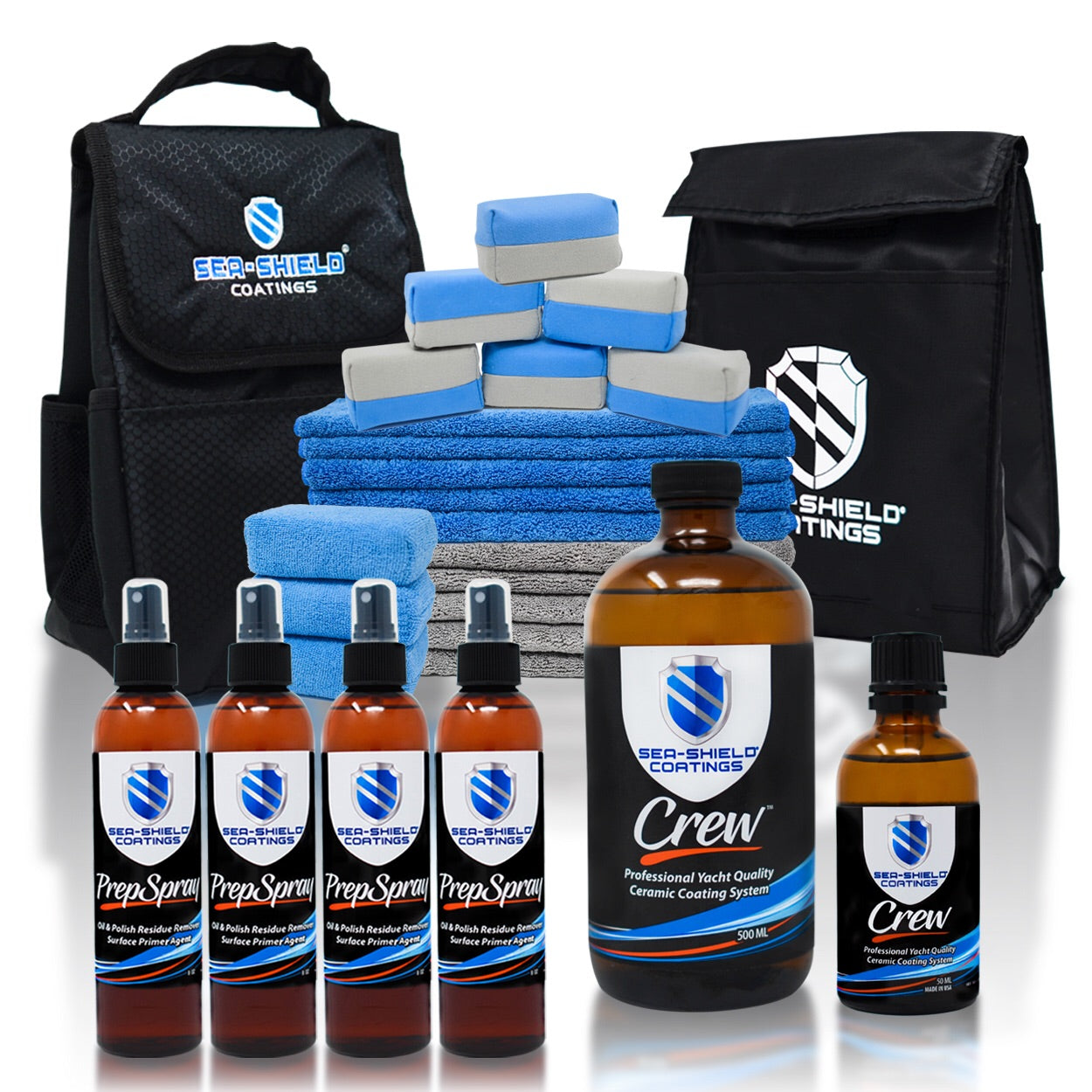
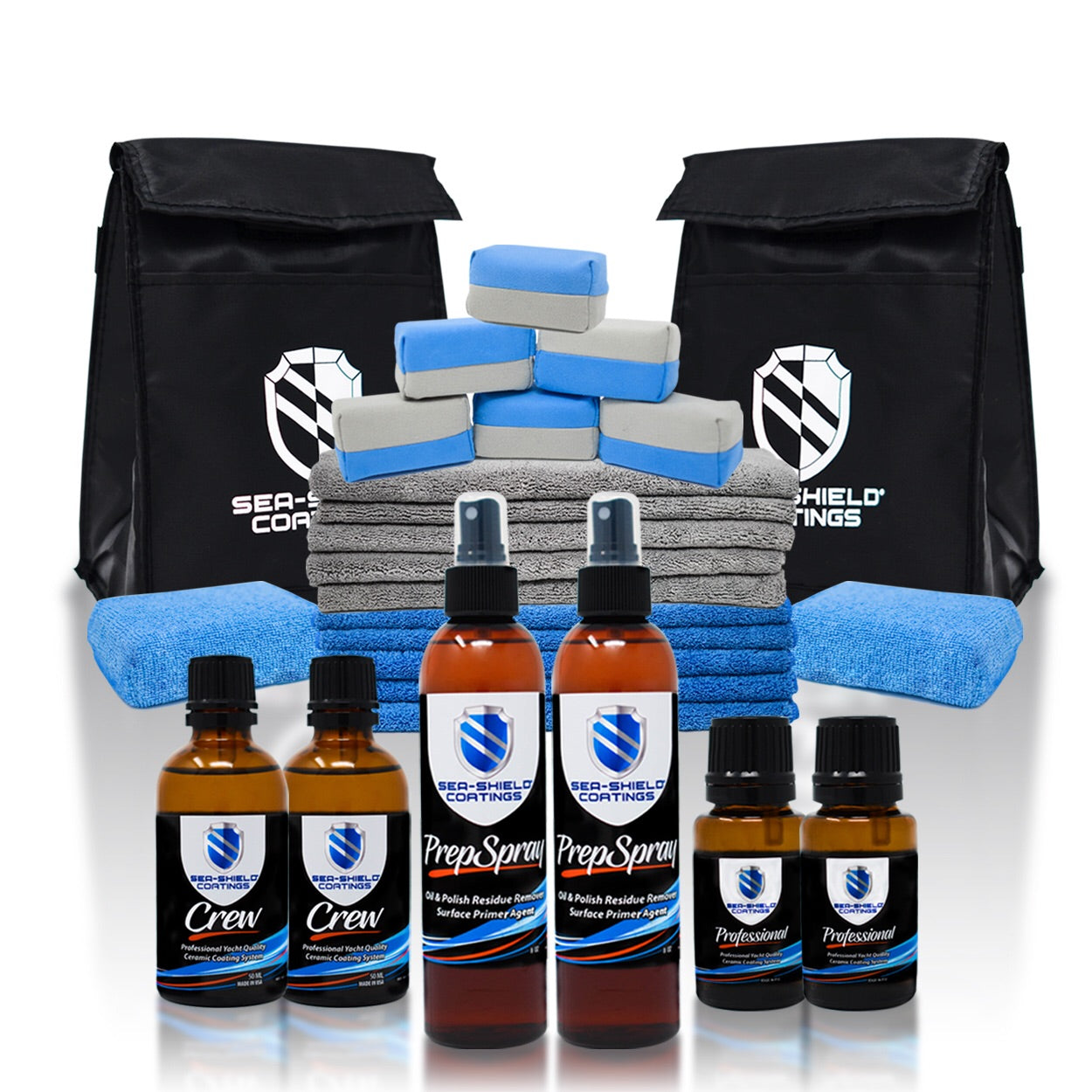
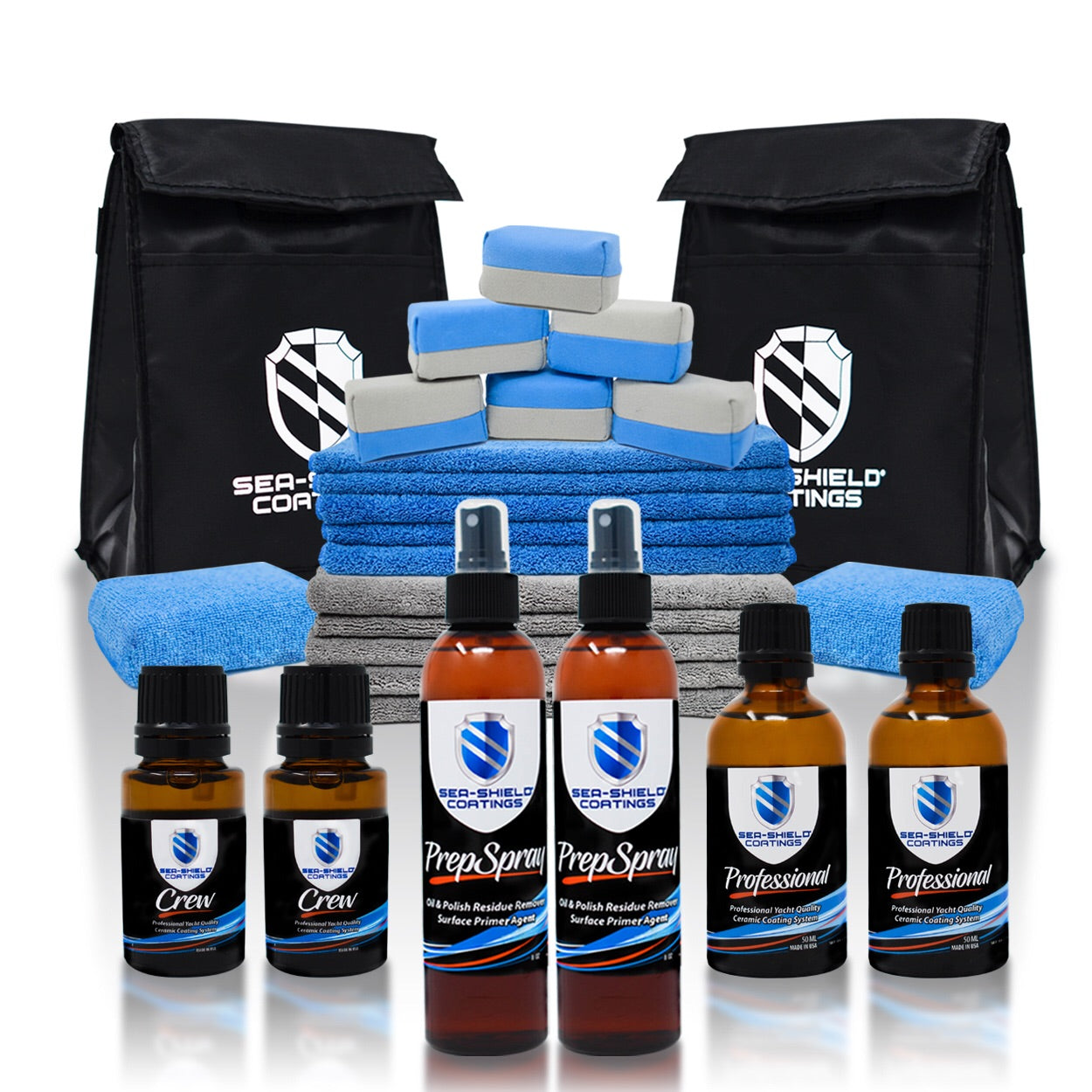
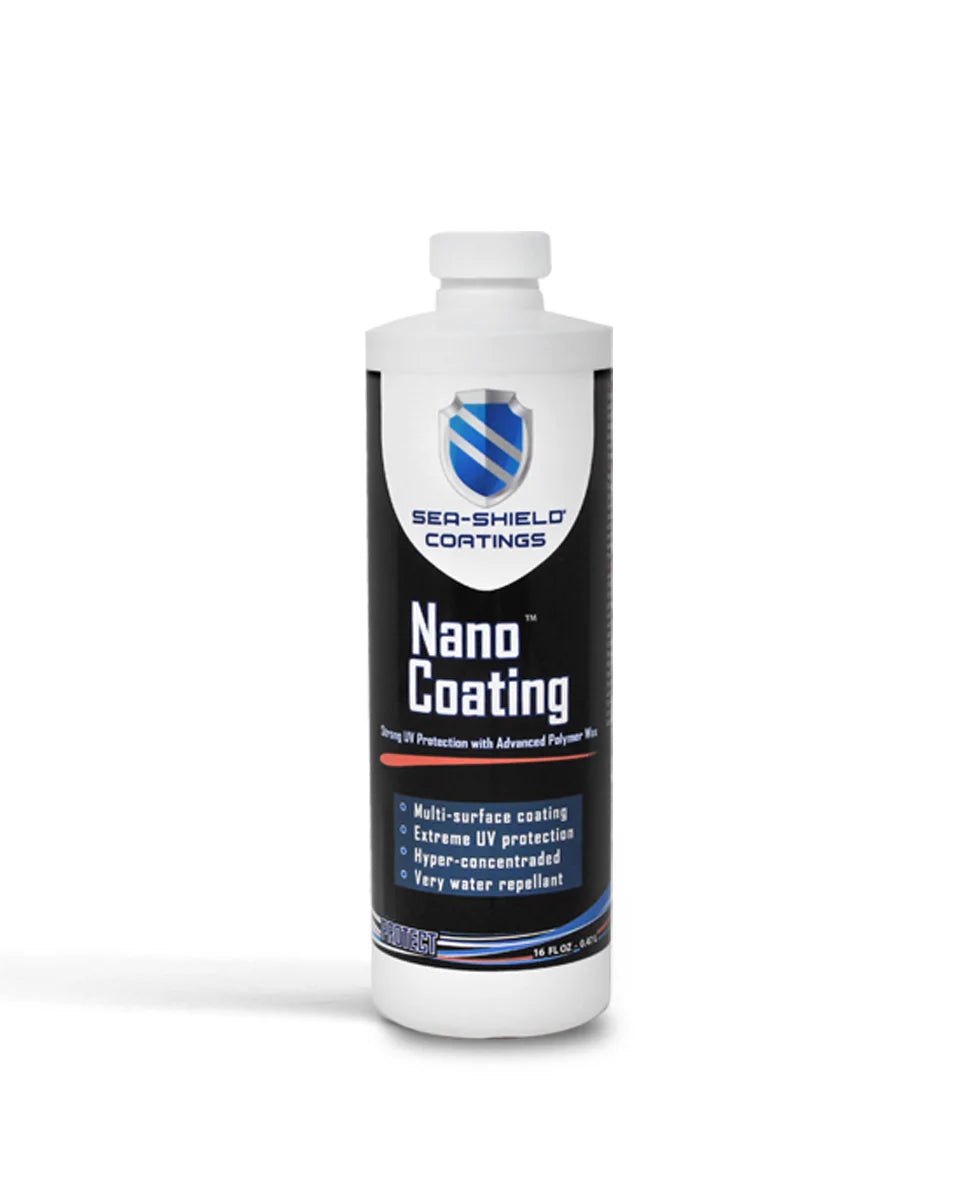
Before coating, the surface needs to be free of polishing oils. Sea-Shield Surface Prep is made for that step. For protection, options include Nano Coating, or a ceramic system such as Ceramic Crew for DIY and crew use or Ceramic Professional for professional applicators. Browse all ceramic coatings for boats and yachts, or follow the guide to applying ceramic coating on a boat.
Once the finish is protected, how often you'll need to correct it again depends on exposure and maintenance. See how often you should polish your boat.
Which Sea-Shield Compound Is Best for Your Boat?
Heavy oxidation?
→ Heavy Cut #1
Moderate oxidation?
→ Cut & Polish #2
Fine swirls?
→ Swirl Remover #3
Light-to-moderate correction?
→ Medium Compound
Maximum final gloss?
→ Final Polish
The objective isn't to use the strongest compound. It's to achieve the required correction with the least aggressive process necessary, then refine and protect the finish.
Want a closer comparison of fine-cut options? Read best fine-cut compounds for boat gelcoat, or browse the full range of Sea-Shield polishes and compounds.