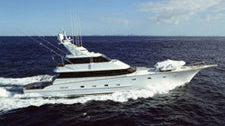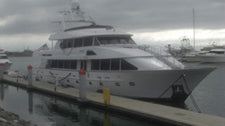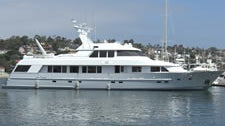






A boat needs the right care to stay in good shape. Salt wears it down. The sun does too. Water spots form. Surfaces fade. A ceramic coating helps with all of this. It acts as a barrier between your boat and the elements.
Sea-Shield makes products for marine surfaces. They protect against oxidation and UV rays. They help prevent water spots and stains. The coating lasts, the gloss holds up, and maintenance gets easier.
This guide walks through applying ceramic coating using Sea-Shield products. Each step matters. Follow them in order and you'll get protection that lasts.
Step 1: Wash and Decontaminate
You need a clean surface. Really clean. Salt sits on the surface after every trip. Dirt builds up. Old wax leaves residues. All of it has to go before you coat anything.
Use Sea-Shield Boat Soap for this. It works on gelcoat, paint, metal, and plastic. The formula is hyper-concentrated and creates volumes of suds that rinse away in seconds without leaving a film. It won't strip even the most delicate waxes and instantly restores the high gloss shine. Pour a quarter-sized drop into a 5-gallon bucket and fill with 3-4 gallons of water.
Water spots show up on boats. Minerals from hard water or salt leave marks. If you see them, use Sea-Shield Rust Stain Remover. It dissolves calcium deposits, salt, and other contaminants. The unique spray-gel formula allows working on vertical surfaces and hard-to-reach areas easily. Spray the product directly on the surface, let it work for 1-5 minutes, then rinse with fresh water. Do this before you polish. Otherwise, you'll just polish over the spots.
Step 2: Surface Correction and Polishing
Your surface might look clean now, but it's not ready yet. Paint oxidizes. Gelcoat gets dull. Swirl marks form from washing over time. A coating won't hide these problems. It will seal them in.
Polish first. Sea-Shield uses a three-step compound and polish system for optimal results. The level of correction depends on your boat's condition.
For heavy oxidation and scratches, start with Sea-Shield Heavy Cut #1. This compound removes heavy oxidation, moderate scratches, heavy chalk residues, and even 1000-grit sandpaper marks from both painted and gel coat surfaces. Best results are achieved using a circular polisher (1200-1800 RPM) equipped with a compound wool buffing pad #1. Work in areas no larger than 3'x5', moving the machine slowly back and forth while keeping the pad flat on the surface.

Next, use Sea-Shield Cut and Polish #2. This product removes 1500 grit sandpaper haze, light scratches, light oxidation, and chalk from both paint and gel coat. It also removes heavy compound marks left from the first step. The formula is very lubricated, which prevents burning the surface. Apply using a circular polisher (1200-1800 RPM) with a compound wool buffing pad #2.
For the final polish, use Sea-Shield Swirl Remover #3. This polish removes light oxidation, fine scratches, light chalk, and swirl marks while bringing back the ultimate luster. The extremely lubricated formula completely erases swirl marks and creates a swirl-free finish. Use a circular polisher (1200-1800 RPM) equipped with a Sea-Shield polishing buffing pad #3.
Note: If your boat is newer or has only light oxidation, you can skip Heavy Cut #1 and start with Cut and Polish #2, or even just use Swirl Remover #3.
After polishing, the surface must be completely clean before coating. Use Sea-Shield Prep Spray for this. This integral step removes polishing oils left behind from compounding and polishing. The proprietary primer agent increases the integrity of the molecular bond that occurs when applying a ceramic coating, with no residual film left behind. Prep Spray also works well as a glass and stainless cleaner.
Step 3: Applying the Ceramic Coating
Now you coat. This is the main protection layer. Sea-Shield offers two professional-grade ceramic coating options.
Sea-Shield Crew is a professional, yacht-quality marine clear coat designed for DIY applications and crew use. Available in 50 ml, 100 ml, and 500 ml sizes, Crew provides long-lasting protection that can last 1-2 years or more with regular care and washing. It protects against UV radiation, rust, oxidation, and environmental pollutants.
Sea-Shield Professional is designed specifically for professionals looking to have the best protection. Available in 15 ml, 50 ml, and 500 ml sizes, Professional provides exceptional protection against rust, fading, and degeneration. The coating uses advanced ceramic nanotechnology to produce outstanding results.
Both coatings can be applied to a variety of surfaces, including paint, gelcoat, fibreglass, aluminium, and metal.
Application Instructions:
The application area should be well-ventilated with good lighting. Avoid direct sun or hot surfaces when applying. Hot surfaces cause the coating to flash too fast and you won't level it properly. Work in shade or when the surface is cool.
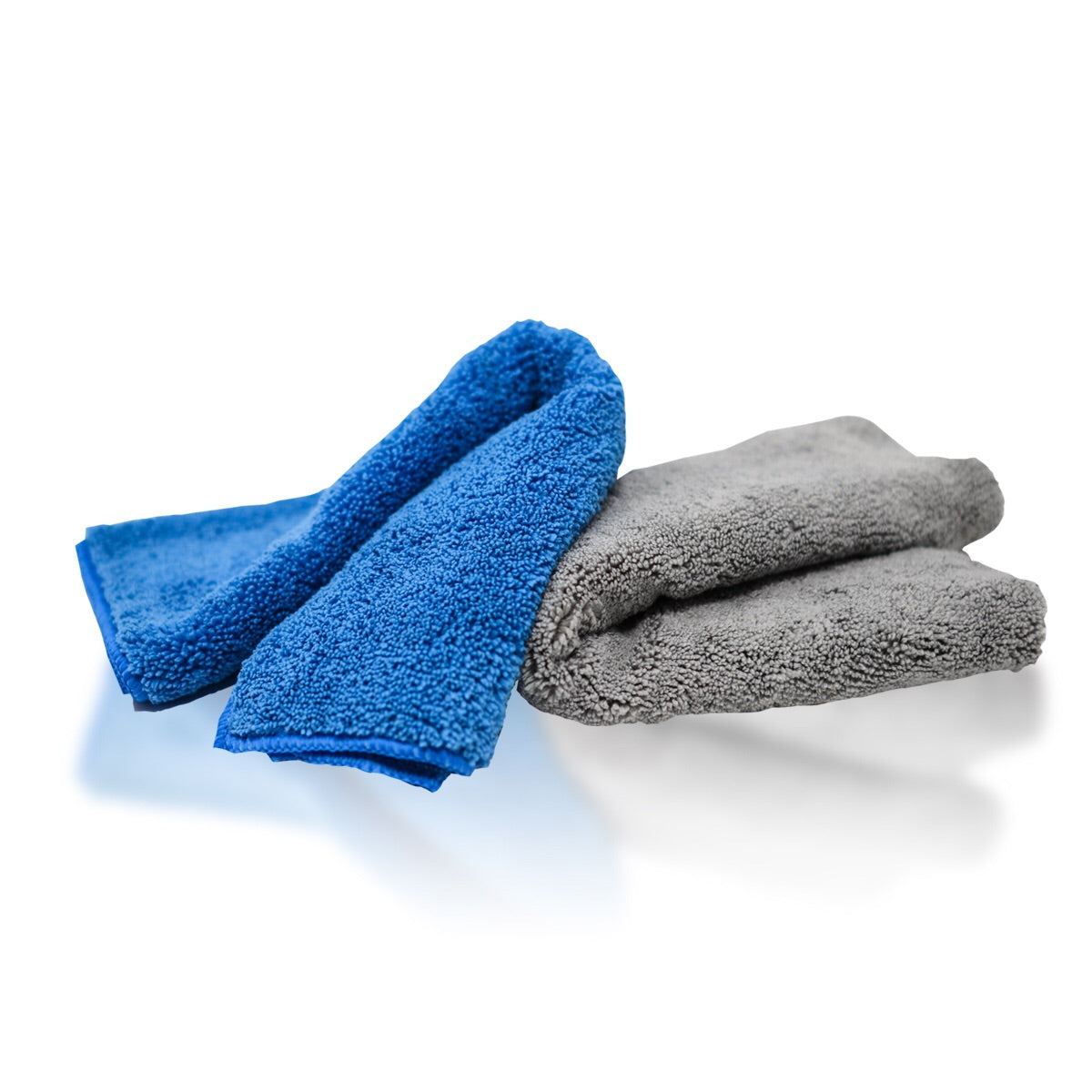
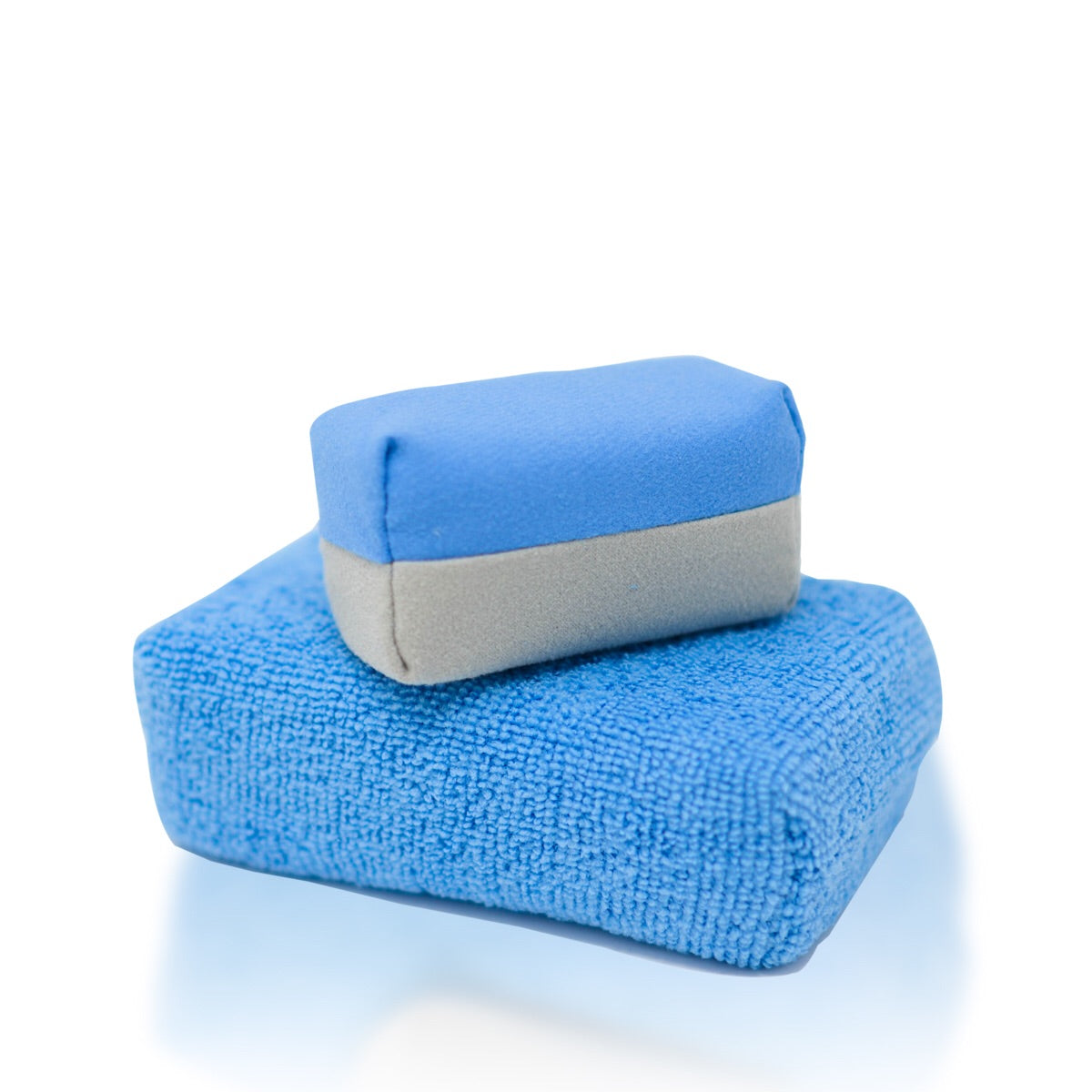
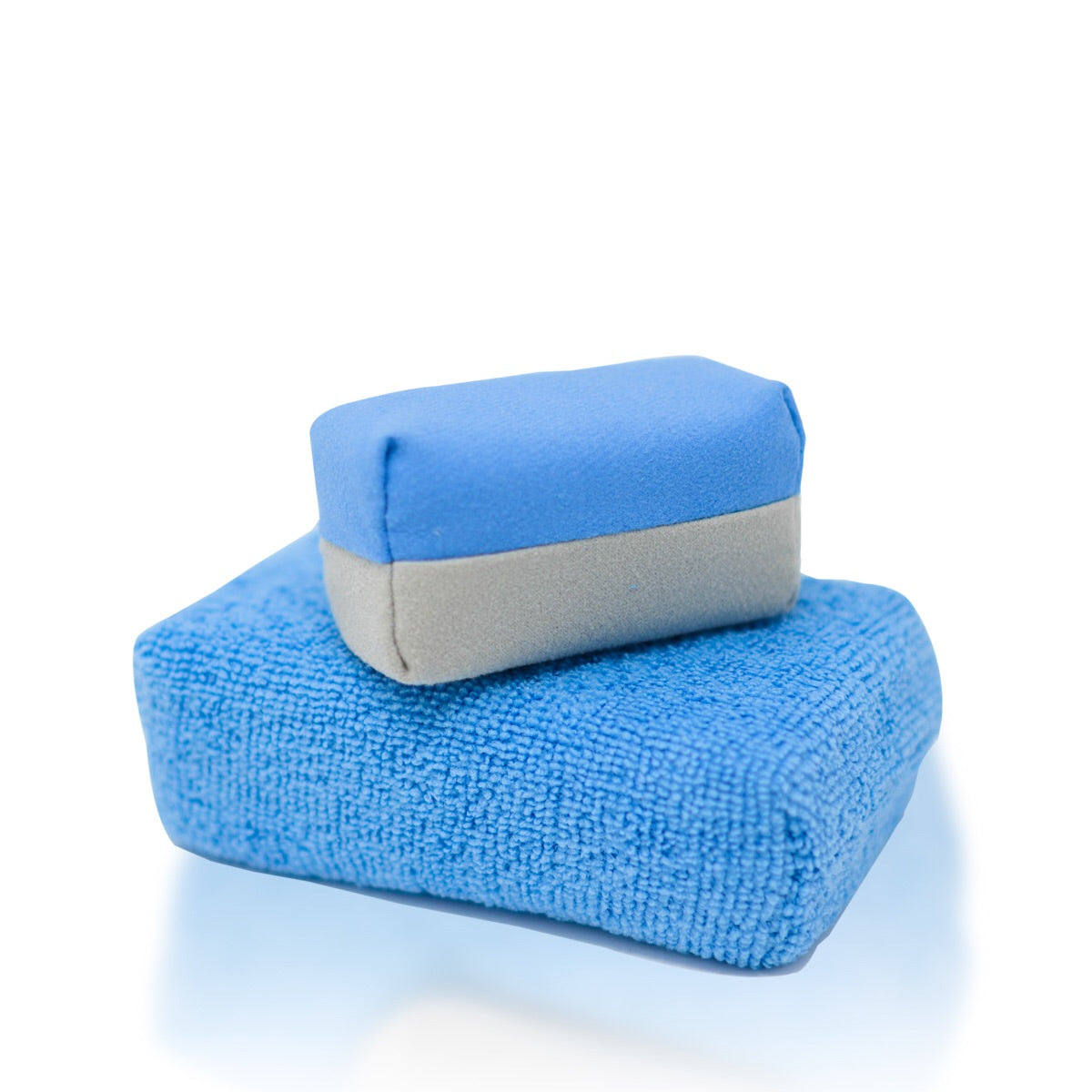
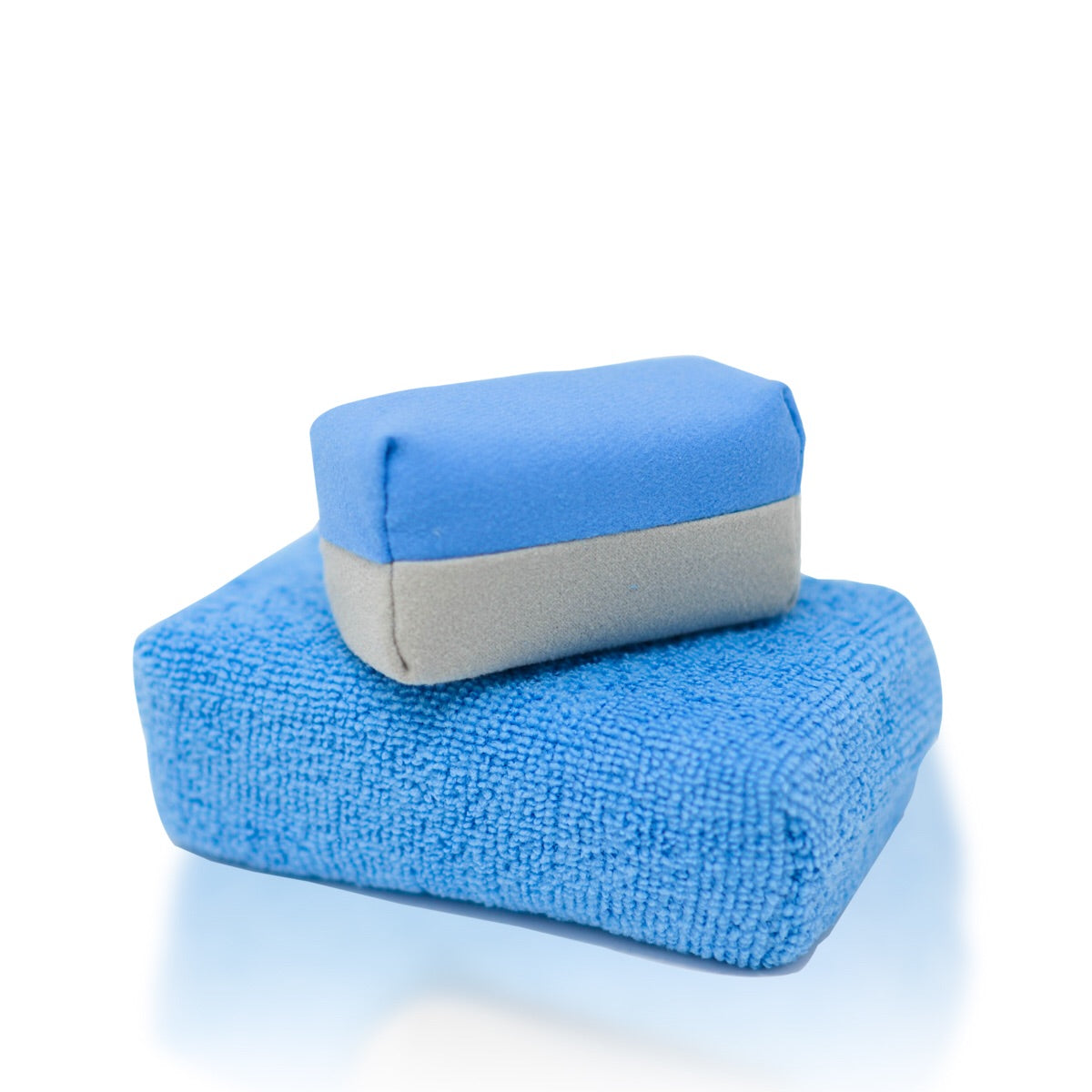
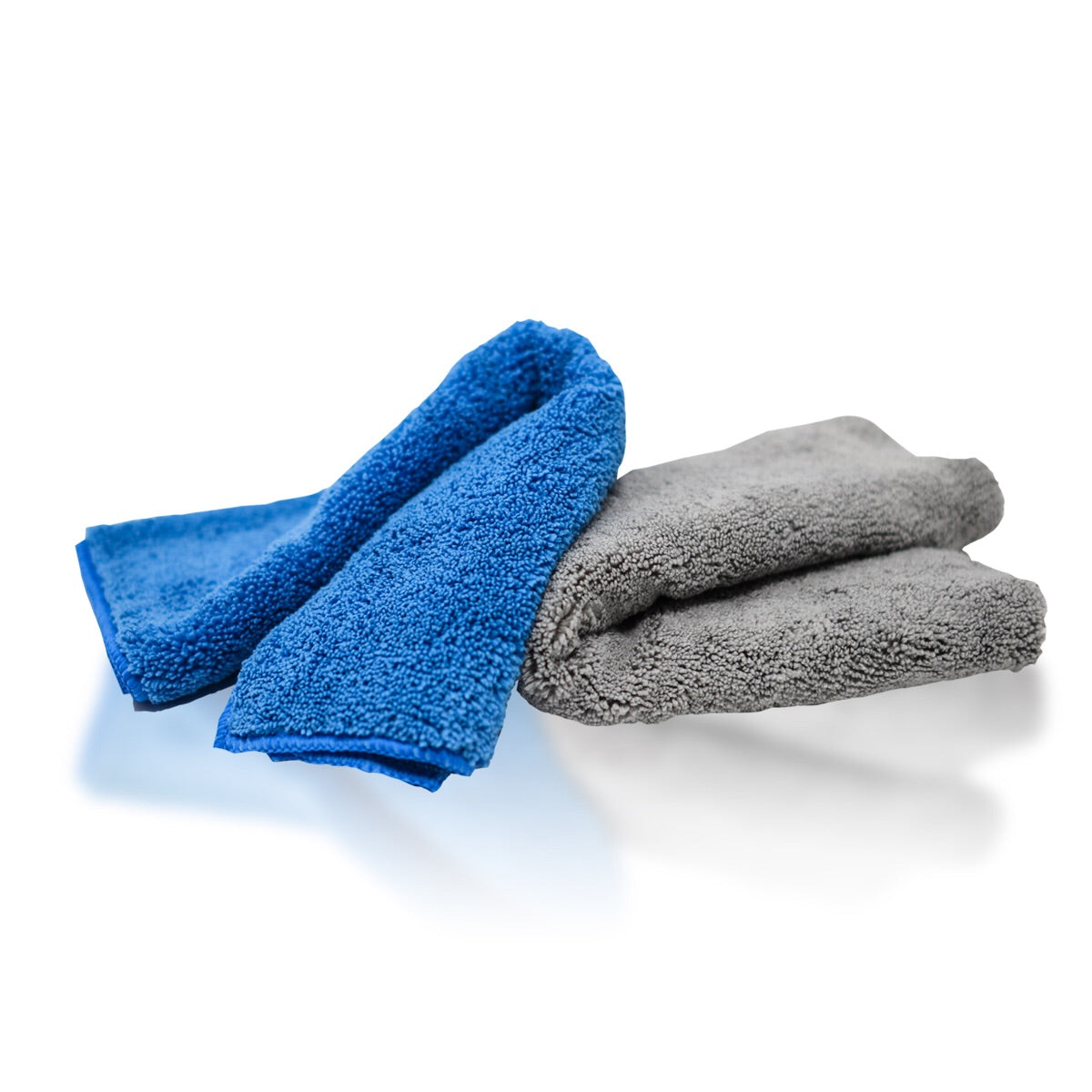
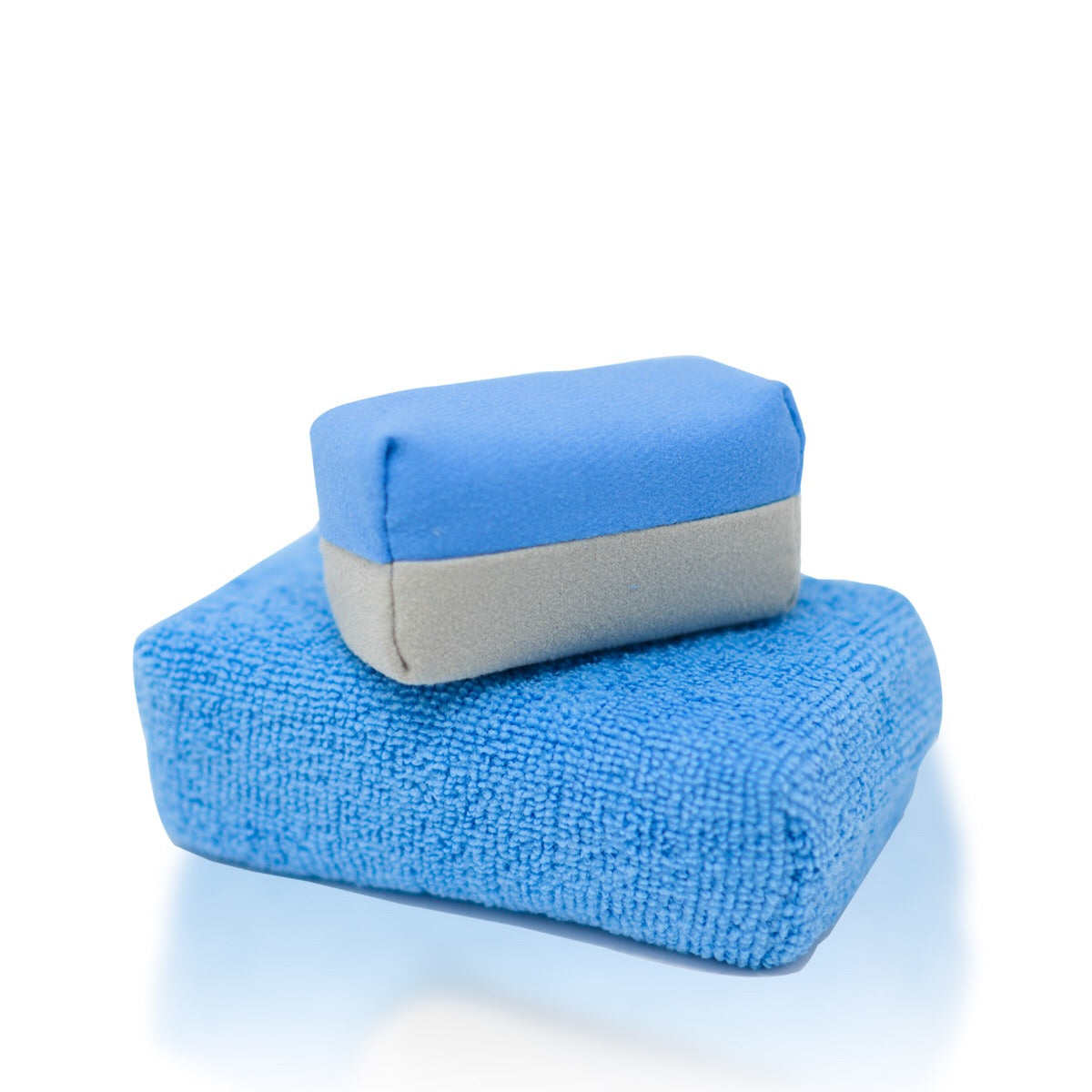
Apply the coating when the surface is completely dry, working on small sections at a time. Wrap a microfiber suede around an applicator block. Drip the product along the length of the applicator block. Apply in a cross-hatch pattern—horizontal and vertical strokes—for even coverage.
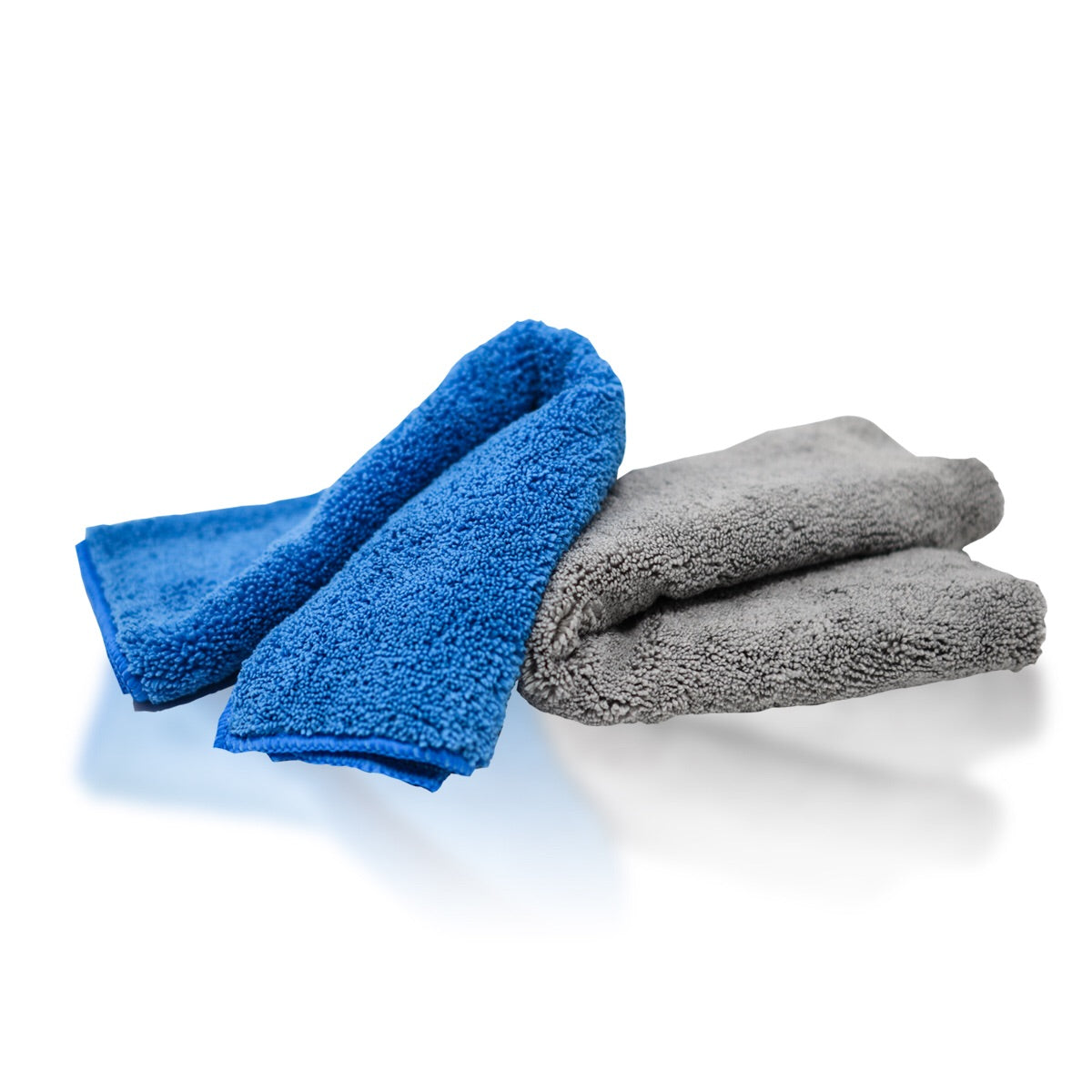
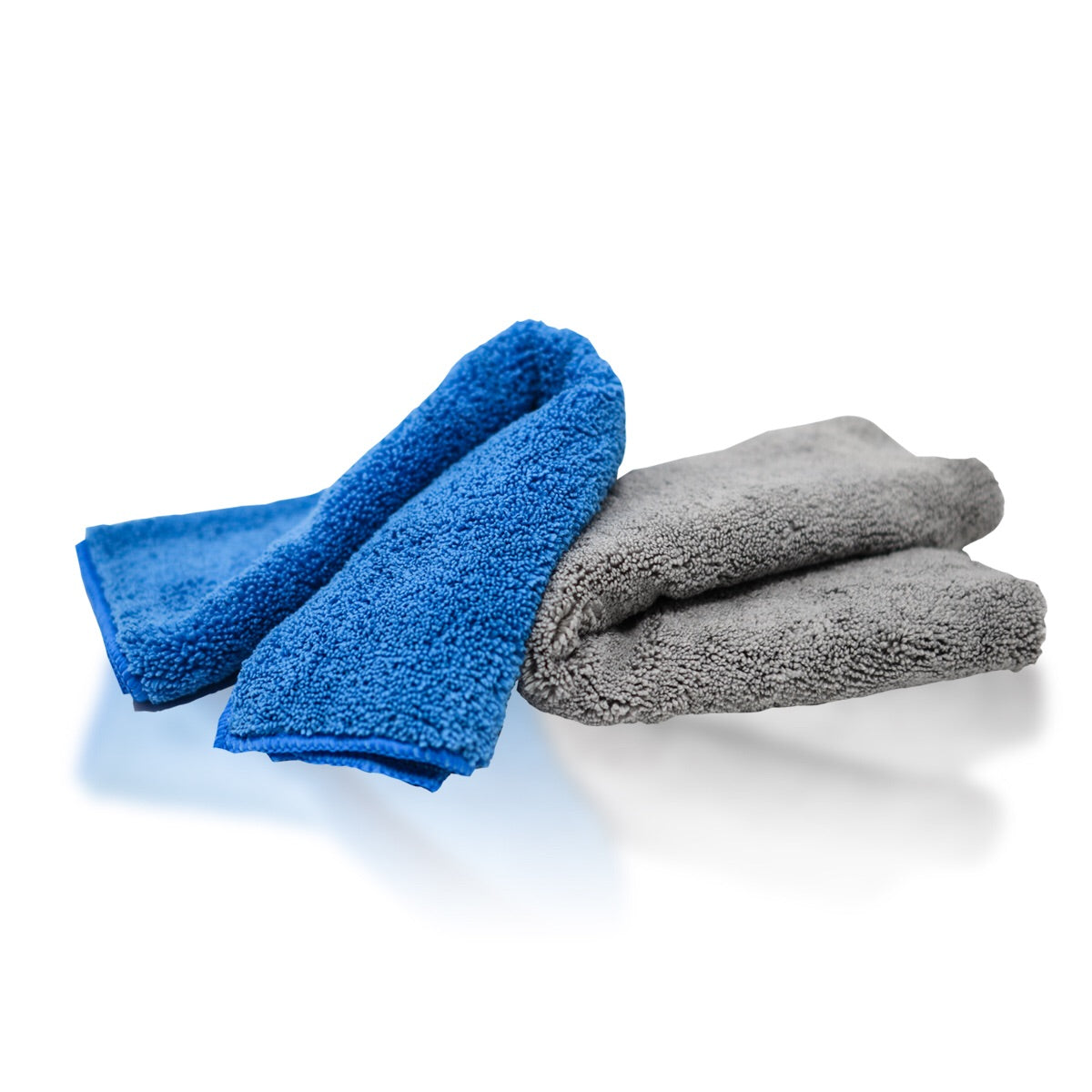
Let the coating flash. Flash time depends on temperature. In warm weather (over 70°F), buff off the coating in about 15 seconds. In cooler weather, you can wait up to 2 minutes before buffing. Use one microfiber towel to wipe away extra coating, then use a second towel to polish the surface until it has a clean, glossy shine. Be sure to remove all excess product, as any spots you miss might leave streaks or an uneven finish.
Use a different side of the applicator as it hardens or if it gets dirty. Keep working in small areas to maintain even coverage.
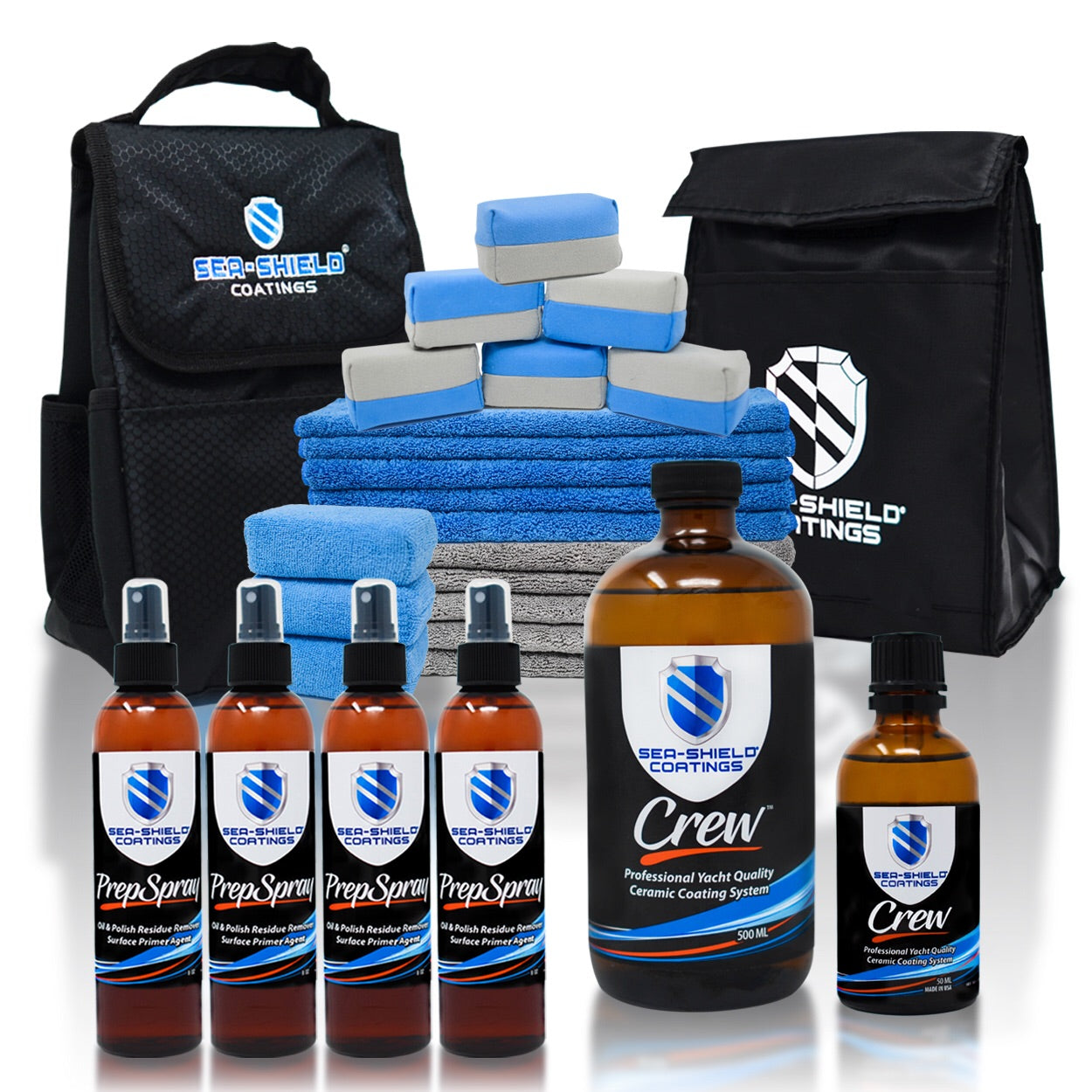
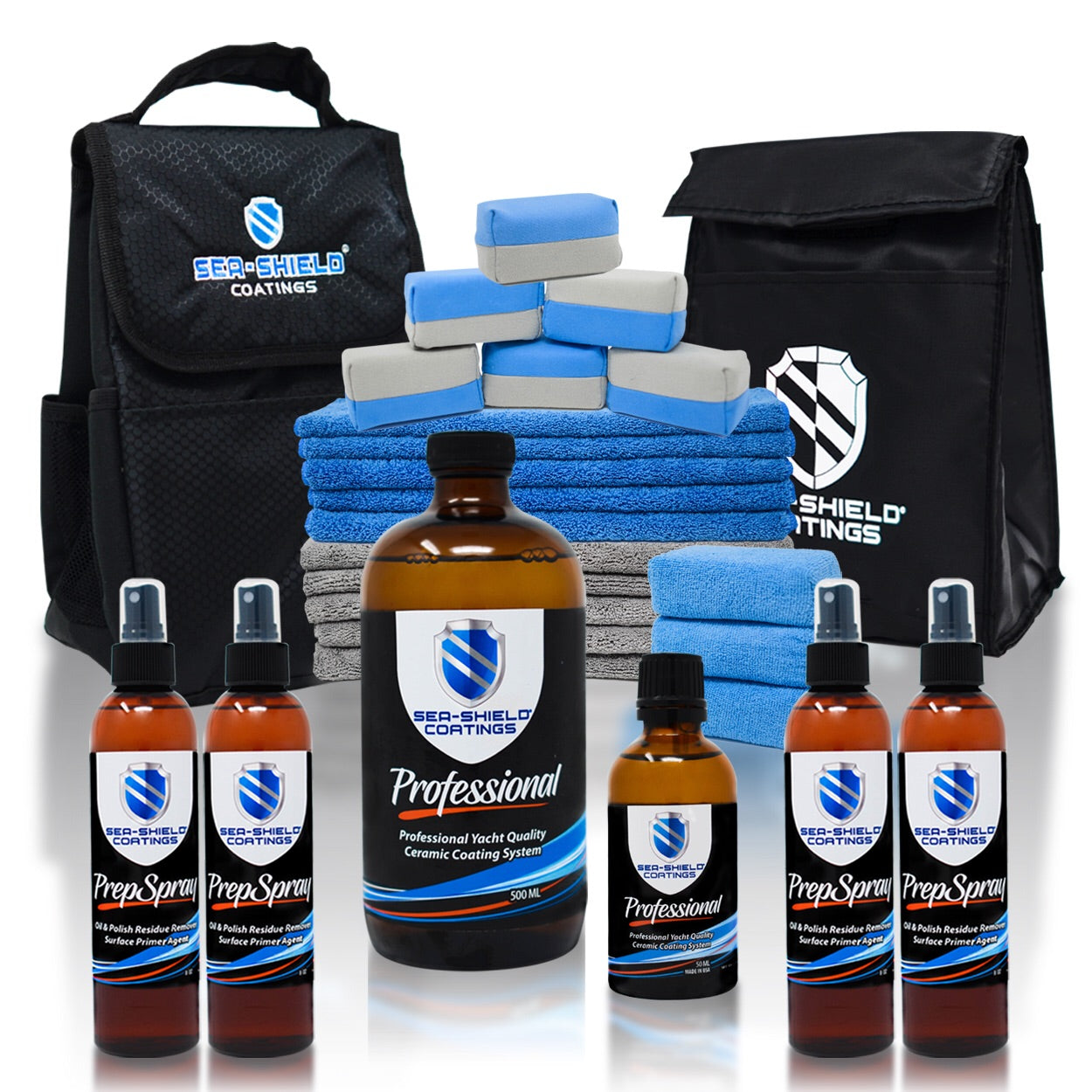
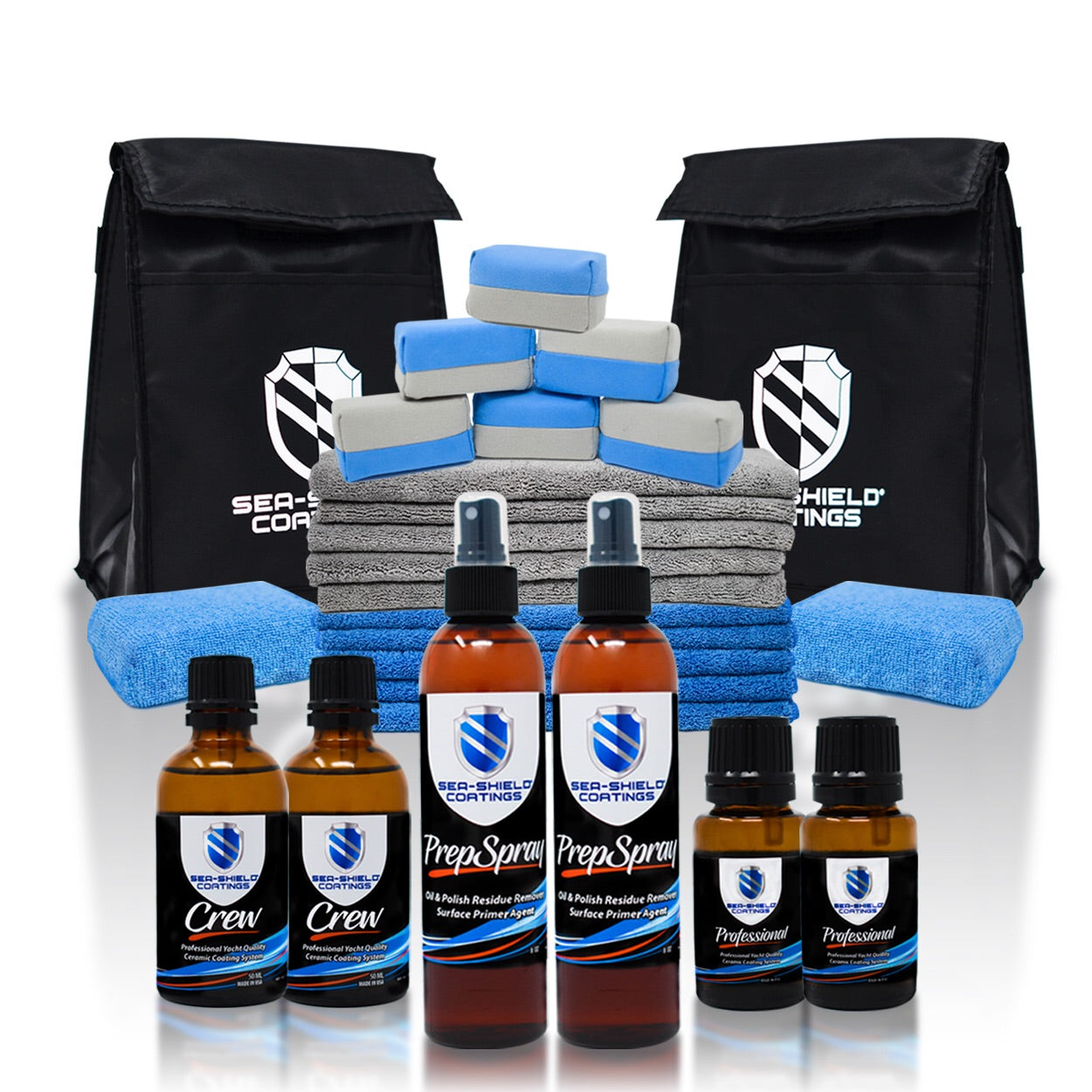
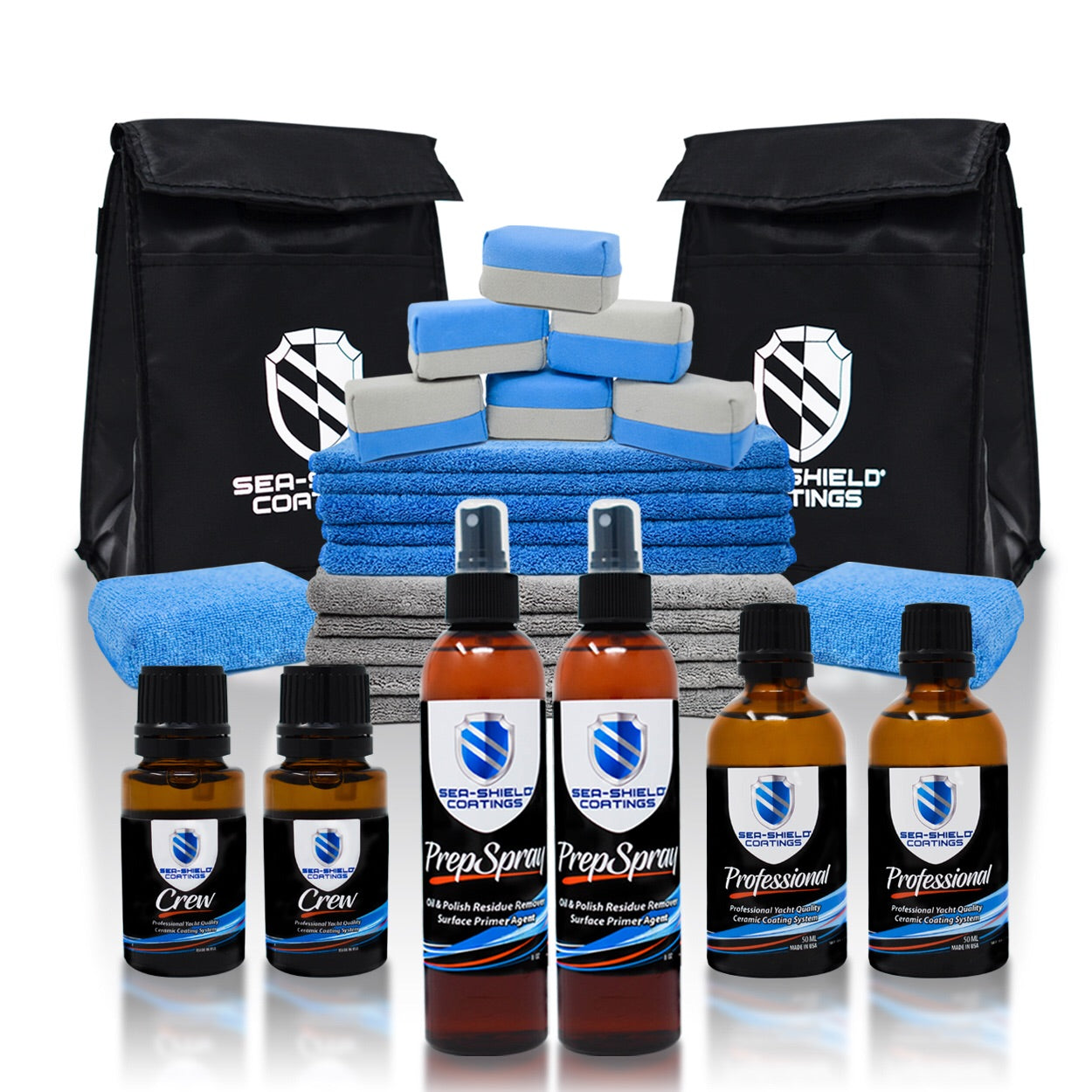
Complete Kits Available: Sea-Shield offers ceramic coating kits that include the ceramic coating, prep spray, applicator blocks, and microfibre towels. These Starter, Intermediate, and Advanced packs provide everything needed for application.
Step 4: Curing and Initial Care
Curing takes time. You can't rush it. The coating needs to harden and reach full strength before it can do its job.
The surface should be kept dry for at least one hour. The coating is dry to touch in about 1 hour. The product is waterproof and will fully cure and harden after 48 hours. For maximum hardness, allow up to 5 days.
Keep the boat dry during the curing period. No washing. No rain if you can help it. Water exposure during curing weakens the bond. If light dust lands on the surface, wipe it off with a soft microfibre towel. Be gentle.
For extra protection, you can apply a second layer of ceramic coating after waiting for at least one hour between coats.
Once the coating cures, the surface changes. It becomes slick. The gloss deepens. Salt doesn't build up as fast. Stains don't stick. Oxidation slows down. You'll notice the difference when you touch it.

Step 5: Maintenance and Regular Care
A coating isn't permanent. It lasts a long time, but it needs care. Regular maintenance keeps it working and looking good.
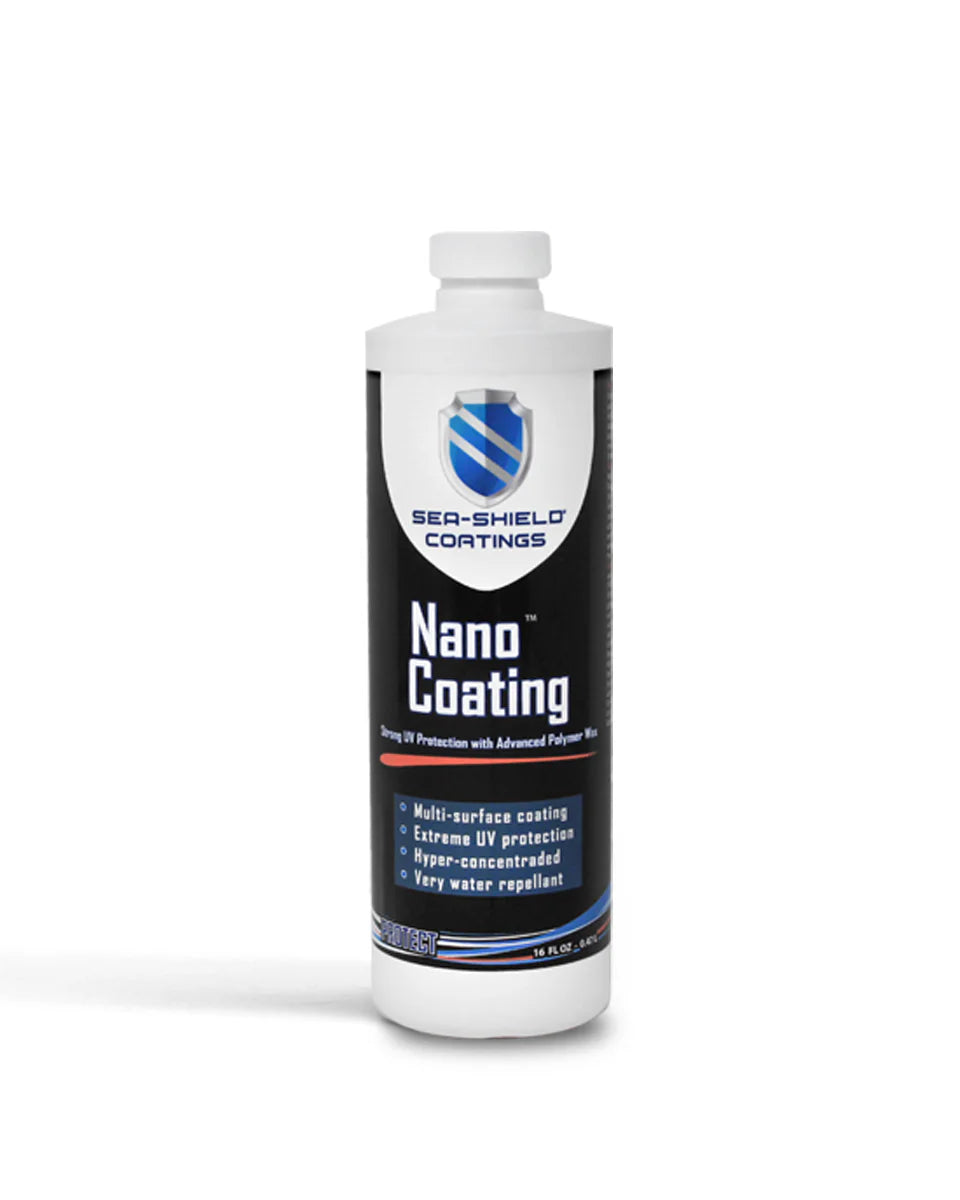
Use Sea-Shield Boat Soap for washing. It's gentle enough that it won't remove wax or strip the ceramic coating. The biodegradable formula safely cleans all surfaces including paint, gelcoat, glass, and plastic. For coated surfaces or for refreshing Sea-Shield coatings, add 4 ounces of Sea-Shield Nano Fresh to a 5-gallon bucket.
After washing, you can boost the coating. Sea-Shield Final Shield works for this. Final Shield is a ceramic spray top coat that's the most versatile and easy-to-use protection you can apply. The silica resin formula creates a wet and shiny finish on almost all surfaces, including paint, gelcoat, metals, vinyl, leather, black trim, and acrylic. Spray the product on a microfibre applicator (not directly on the surface), apply a very thin coat, and wipe thoroughly until only a light film remains.
Sea-Shield Nano Fresh is another excellent maintenance product. This water-based cleaner and surface protection quickly cleans and protects. It's environmentally friendly and enhances Sea-Shield coatings. Spray Nano Fresh on a clean microfibre towel and wipe dirt off any wet or dry surface. It works on paint, gelcoat, glass, metal, and plastic. For a washdown, mix 2 oz into a five-gallon bucket of boat soap for extra cleaning power and a protection boost.
Water spots can still form even with a coating. If you see them, use Sea-Shield Rust Stain Remover. It's safe on the coating and removes deposits without causing damage.
Wash regularly to maintain the integrity of your ceramic coating. Use microfibre towels when washing or drying to protect from scratches. Dry your boat thoroughly after exposure to water to prevent mineral deposits or water spots.
Step 6: Long-Term Protection
A marine ceramic coating gives you long-term results when you maintain it. The coating keeps fighting oxidation, UV rays, and salt damage. Your boat stays cleaner between washes. Cleaning takes less effort because contaminants don't bond as hard to the surface.
The ceramic coating should last between 1-2 years or longer depending on how harsh the conditions are in your area (salt water, sun exposure, etc.). With proper maintenance, high-quality ceramic coatings can last for several years.
Top up the protection as needed. You can reapply Sea-Shield Crew or Sea-Shield Professional ceramic coating. Between full reapplications, use Sea-Shield Final Shield to refresh protection and maintain the wet shine finish.
Sea-Shield products work together. Each one supports the next. You start with washing, move to polishing, then coat and maintain. The system covers all marine surfaces. Gelcoat, paint, metal—all of it.
Why Choose Sea-Shield for Boat Ceramic Coating
Sea-Shield builds products for the marine environment. That matters. Automotive coatings don't hold up to saltwater the same way. They're not designed for the constant UV exposure boats face. They don't handle oxidation as well.
These products resist saltwater. They handle heavy UV rays. They slow oxidation. Each item in the boat ceramic coating system supports the others. You get results that hold up because the system works as a whole.
The coatings go on easily. Maintenance is simple. The surface becomes glossy and hydrophobic. Dirt slides off. Water beads up. Contaminants can't stick as well. More than that, the finish underneath stays protected. Your boat looks newer for longer.
You don't need to be a professional detailer to use this. Boat owners handle their own care routines with these products. The system gives you reliable results whether you're experienced or not. Sea-Shield also offers complete ceramic coating kits with all necessary application supplies for those who want everything in one package.
Conclusion
Ceramic coating protects your boat's finish and cuts down on maintenance. Follow these steps with Sea-Shield products, and you'll have a smooth, glossy surface that fights off water, salt, and sun damage.
Start with proper cleaning using boat soap and rust stain remover. Move to surface correction with the three-step polishing system (Heavy Cut #1, Cut and Polish #2, and Swirl Remover #3). Prep with Prep Spray, then apply Crew or Professional ceramic coating. Maintain with Boat Soap, Final Shield, and Nano Fresh.
Done right, coating isn't just about looks. It's about keeping the surface protected over time. With the right ceramic coating, your boat stays cleaner, glossier, and better protected against whatever the water throws at it.