




If you want real, long-lasting protection for your boat, ceramic coating wins over traditional wax every time. Wax looks great for a few months, then it's gone. A quality marine ceramic coating bonds to the surface at a molecular level, resists UV, salt, and oxidation, and can last one to two years or more with proper care. The upfront cost is higher, but most boat owners never go back.
What Is Ceramic Coating for a Boat?
Ceramic coating is a liquid polymer, usually silica-based, that bonds directly to paint, gelcoat, fiberglass, metal, or glass. When it cures, it forms a hard, semi-permanent layer that sits on top of your boat's surface. It does not wash away like wax. It does not degrade in weeks.
The technology behind it is nanotechnology. The coating fills in microscopic surface imperfections and creates a hydrophobic barrier. Water beads and rolls off. Salt has a much harder time bonding. UV rays that would normally bake into and fade your gelcoat get blocked.
Sea-Shield, a professional marine detailing brand trusted by mega-yacht owners and crews worldwide, uses this exact technology across their ceramic coating for boat product line, including their Crew, Professional, PolyCeramic, and Graphene formulas. Each product is designed specifically for the punishing demands of the marine environment.
Sea-Shield Professional Ceramic Coating Range
Sea-Shield offers a full range of professional-grade marine ceramic coatings suited for every vessel size and application need.
Ceramic Professional 500 ML — ideal for full-boat applications on larger vessels and professional detailing jobs.

What Is Traditional Wax Sealant?
Traditional boat wax, whether carnauba-based or synthetic polymer, is a sacrificial layer. You apply it, it looks great, and then salt, sun, and water gradually eat it away. Most waxes need reapplication every two to four months if your boat sees regular use.
Ceramic boat wax products exist as a middle ground. These are wax or spray sealants that contain some ceramic or silica particles but do not create the same hard, bonded layer as a true ceramic coating. They are easier to apply and cheaper upfront, but they wear away like conventional wax.
A product like Sea-Shield's Final Shield or Cleaner Wax falls into this category. They provide excellent shine and short-term protection and work well as a maintenance top coat over a fully cured ceramic base coat.
The key difference? Wax sits on top of the surface. Ceramic bonds to it.
How Does Marine Ceramic Coating Work?
When you apply a marine ceramic coating, the silica or quartz particles in the liquid penetrate the microscopic pores in your boat's surface. As the coating cures, a chemical bond forms. The result is a glass-like layer, typically harder than the original paint or gelcoat, that becomes part of the surface itself.
Here is what that means practically:
-
UV protection: The coating reflects and absorbs UV radiation before it degrades the underlying surface.
-
Hydrophobic effect: Water, sea spray, and rain bead up and roll off rather than sitting and leaving water spots or mineral deposits.
-
Chemical resistance: Salt, diesel exhaust, bird droppings, and other marine contaminants do not penetrate the coating the way they would bare gelcoat or wax.
-
Reduced maintenance: Washing takes less time and effort because grime cannot grip the slick surface.
-
Gloss retention: The coating keeps surfaces looking wet and freshly polished without constant reapplication.
Starter Kits for DIY Application
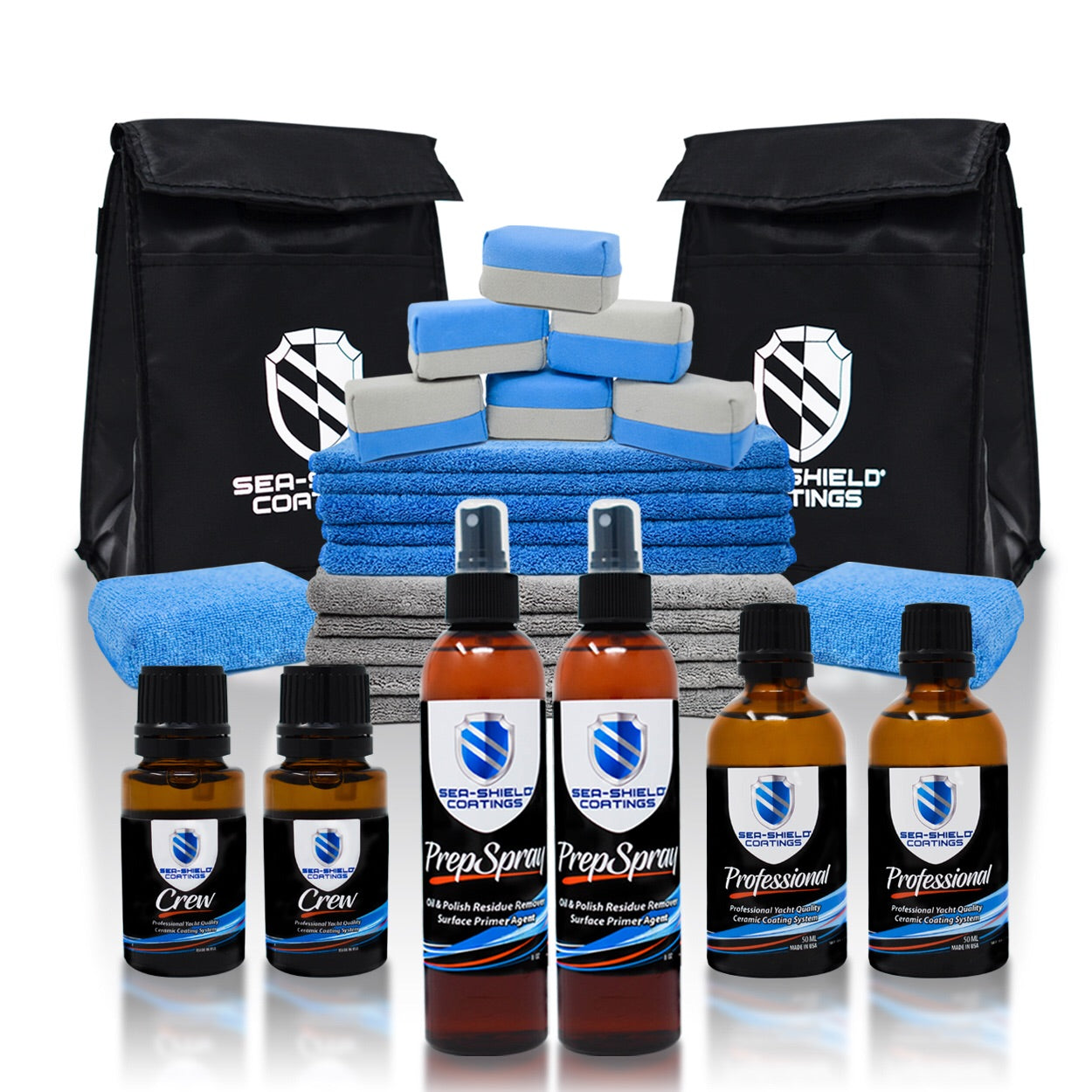
For boat owners ready to apply ceramic coating themselves, Sea-Shield's starter packs bundle everything needed for a complete application.
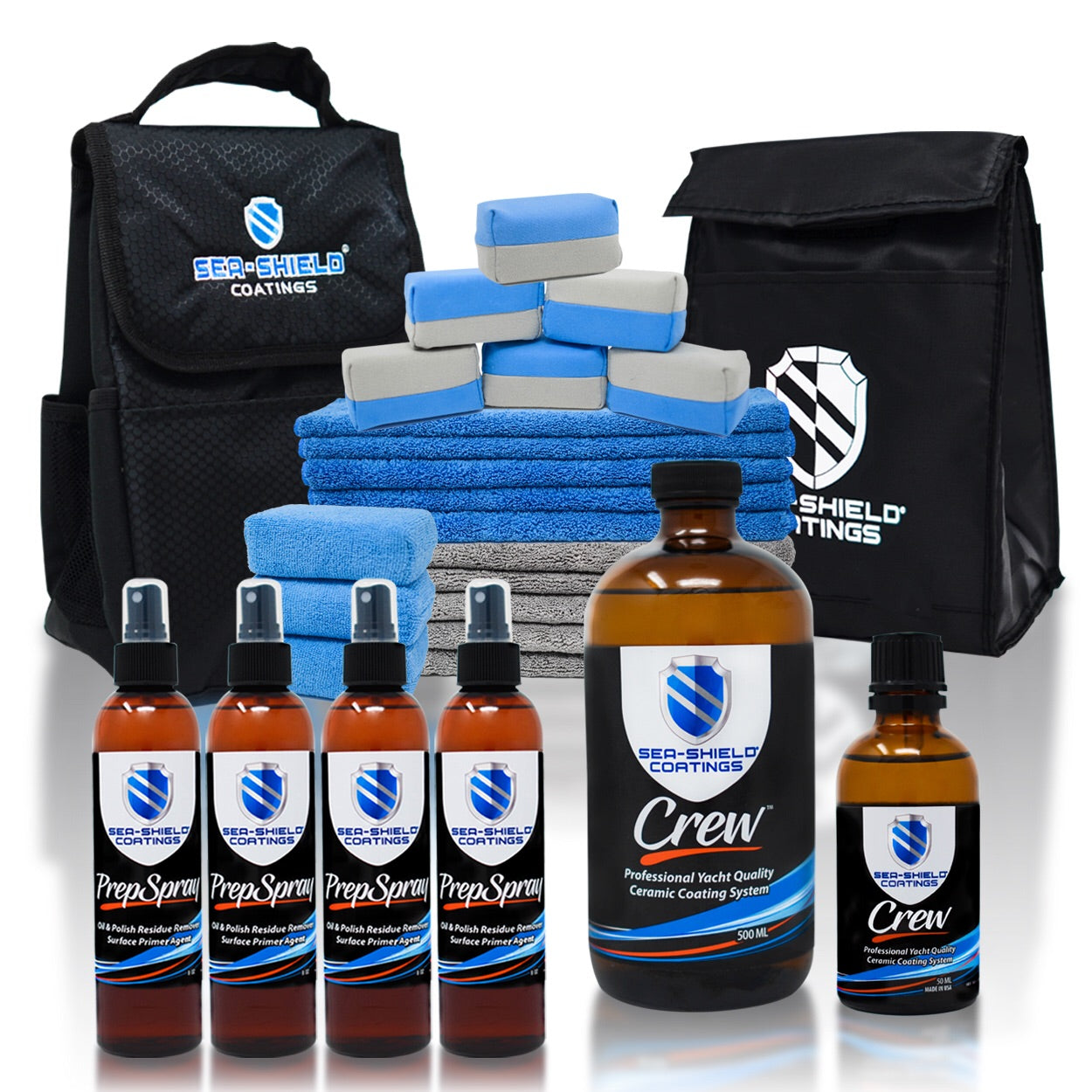
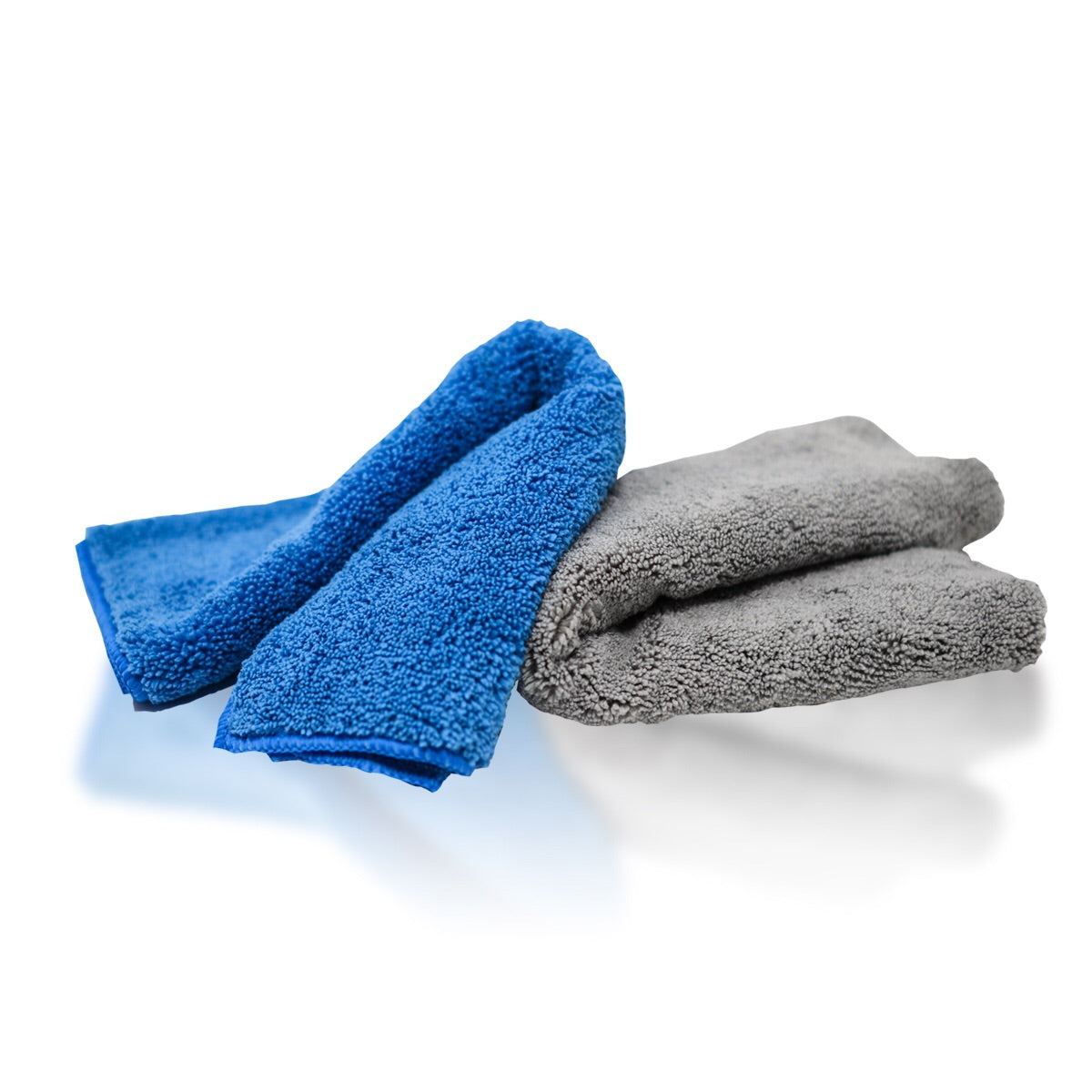
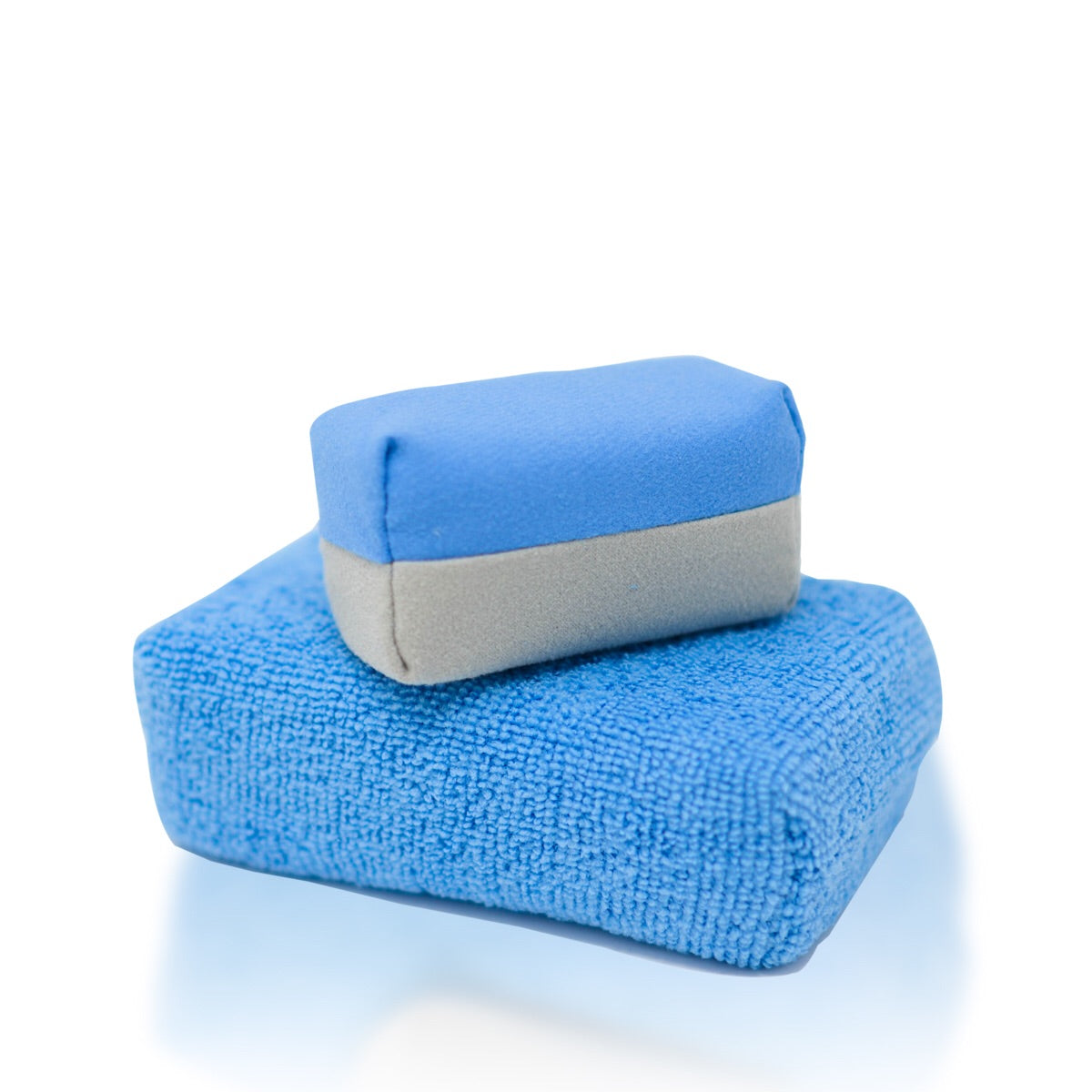
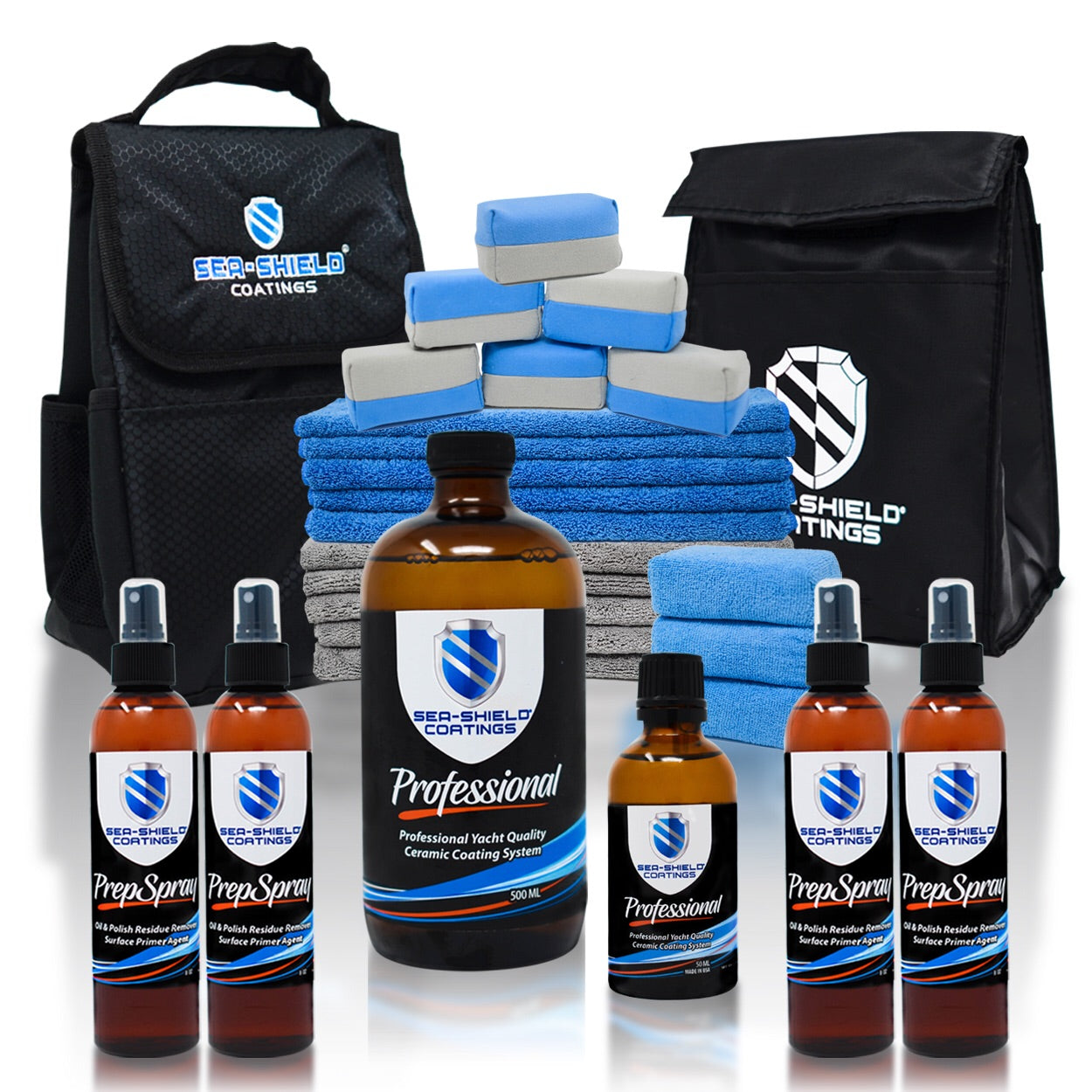
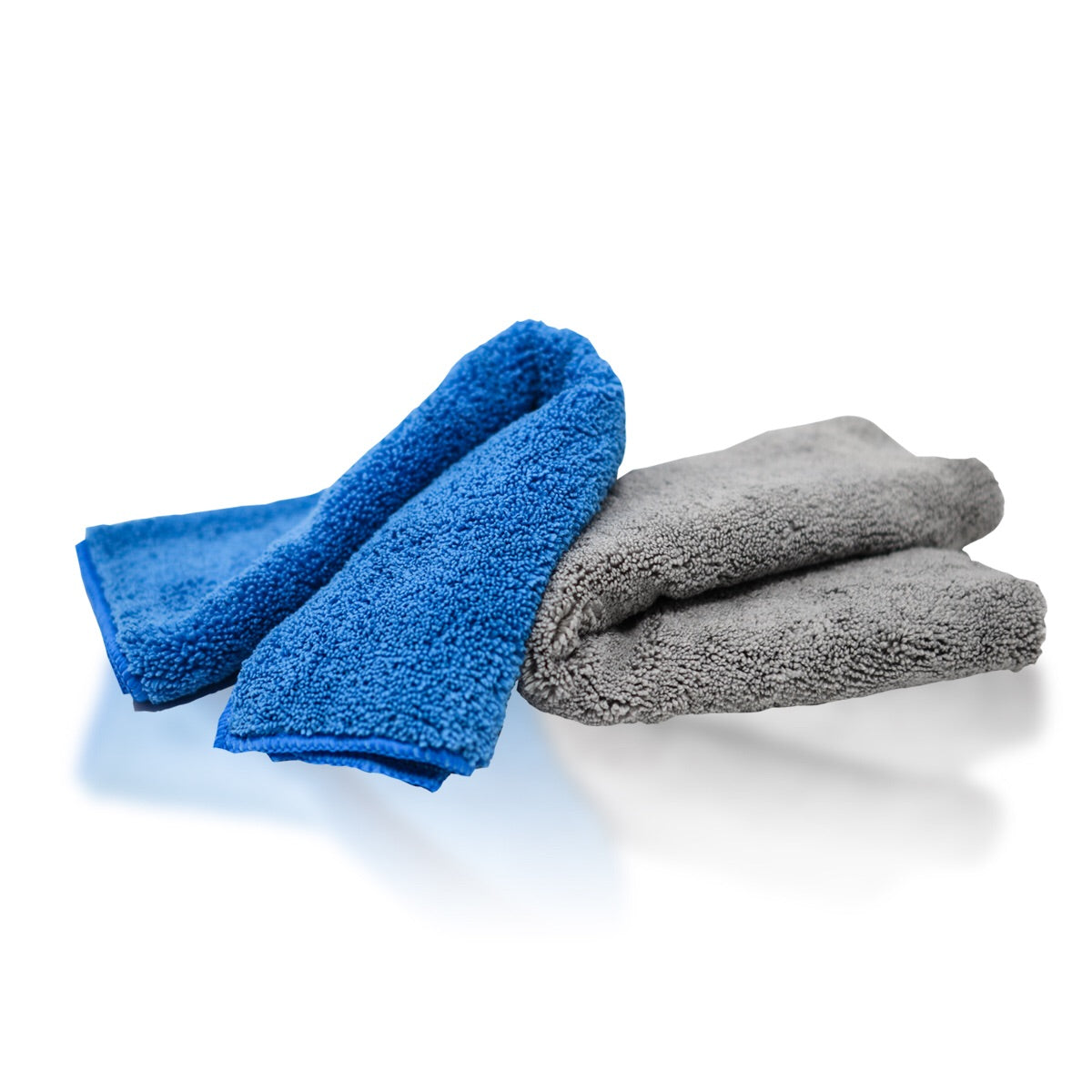
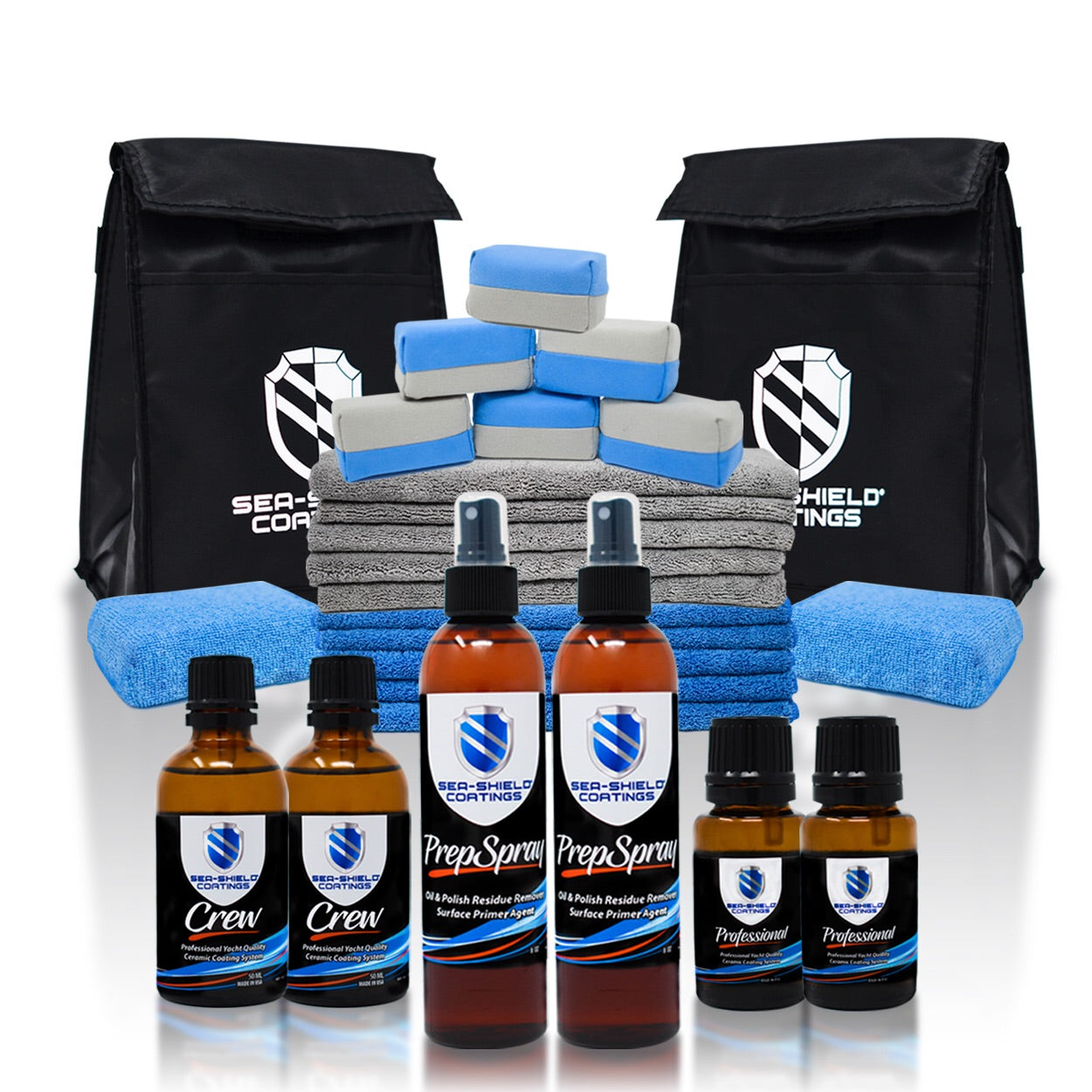
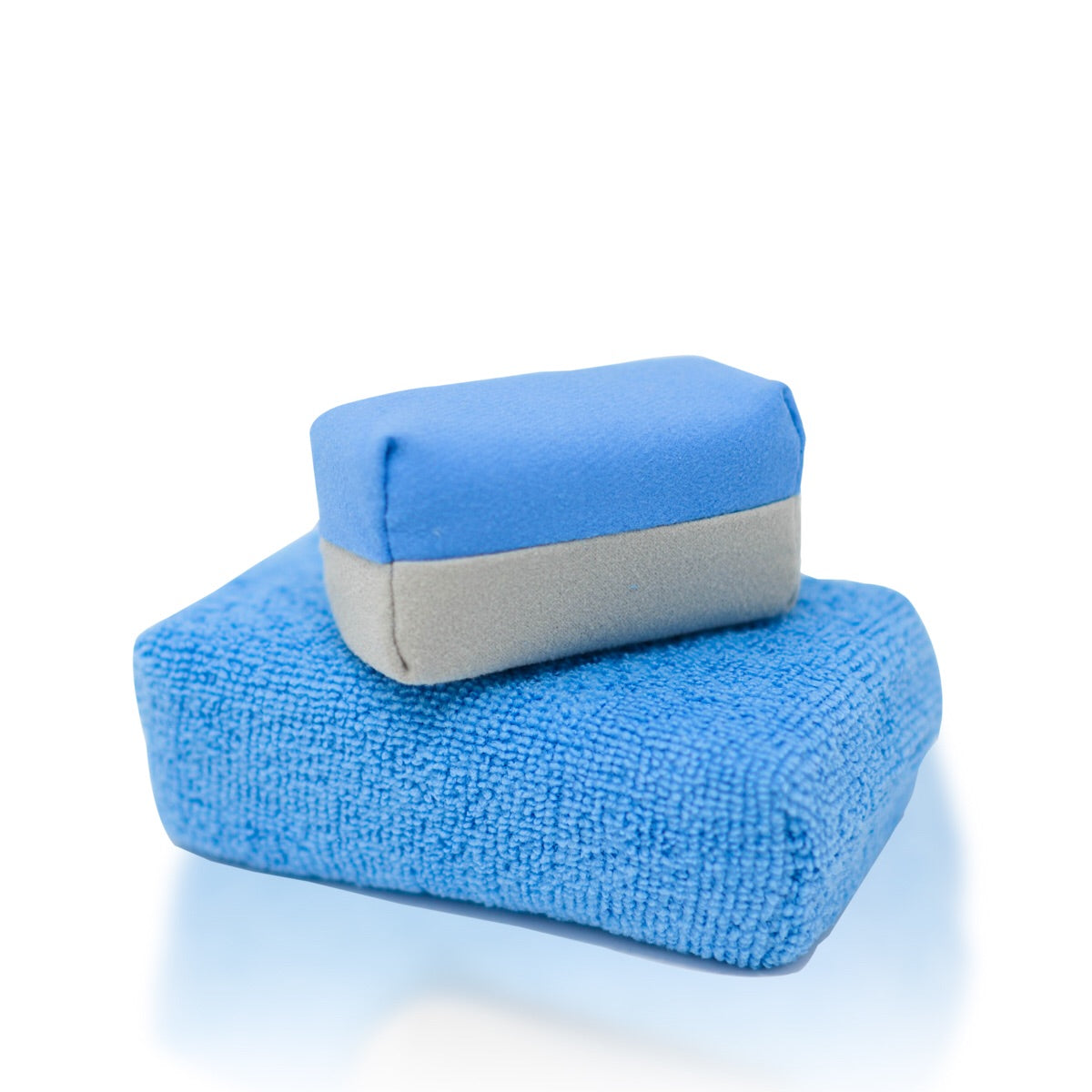
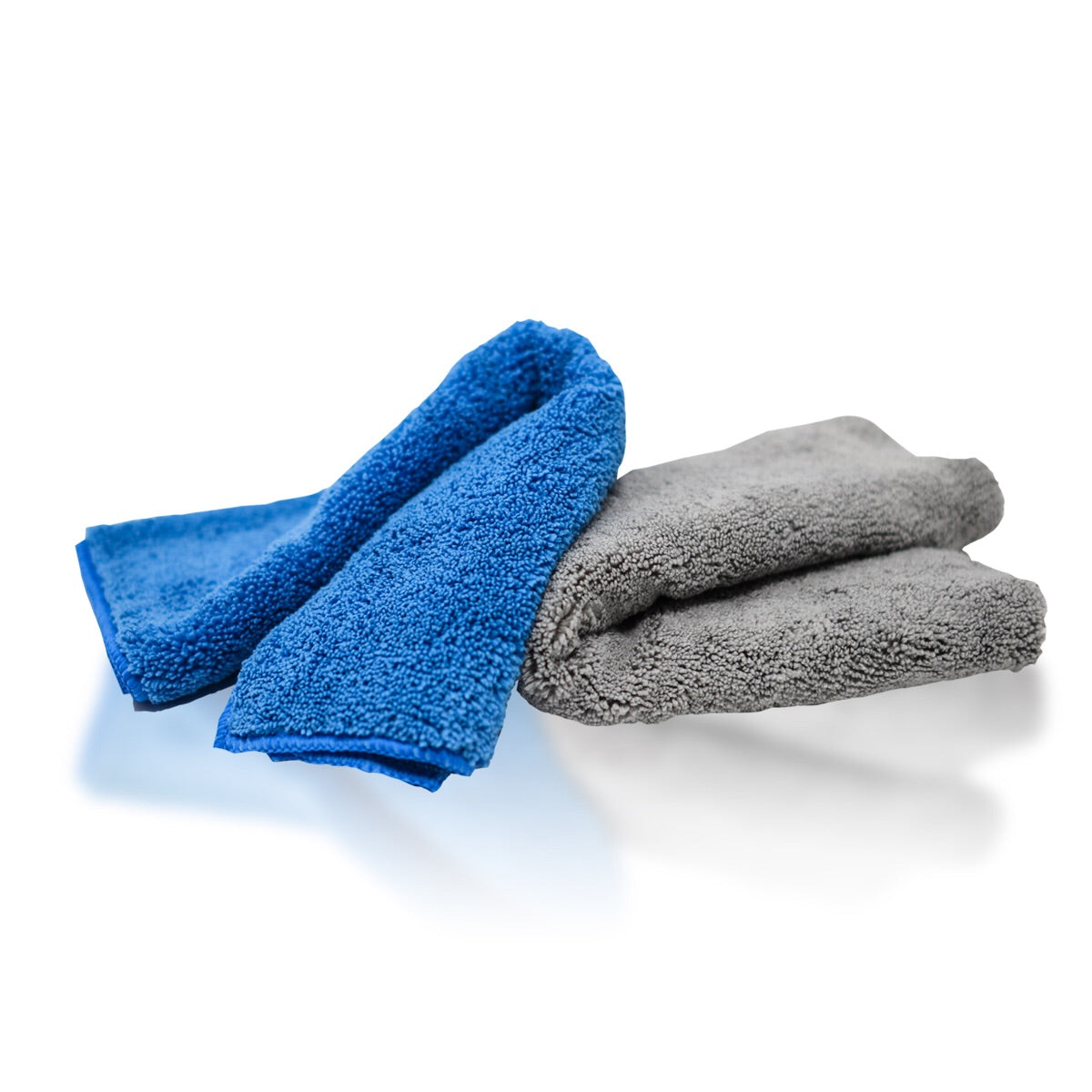
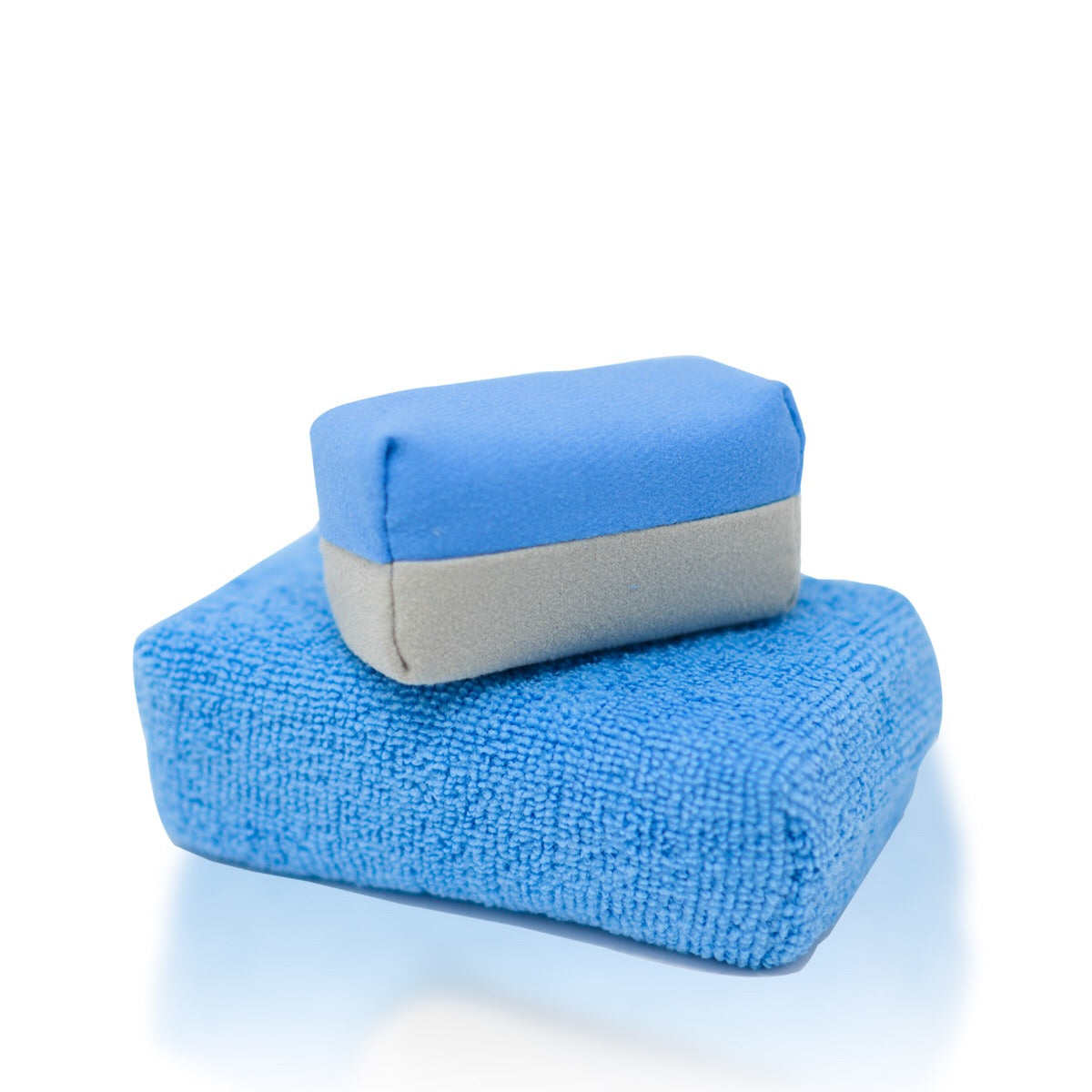
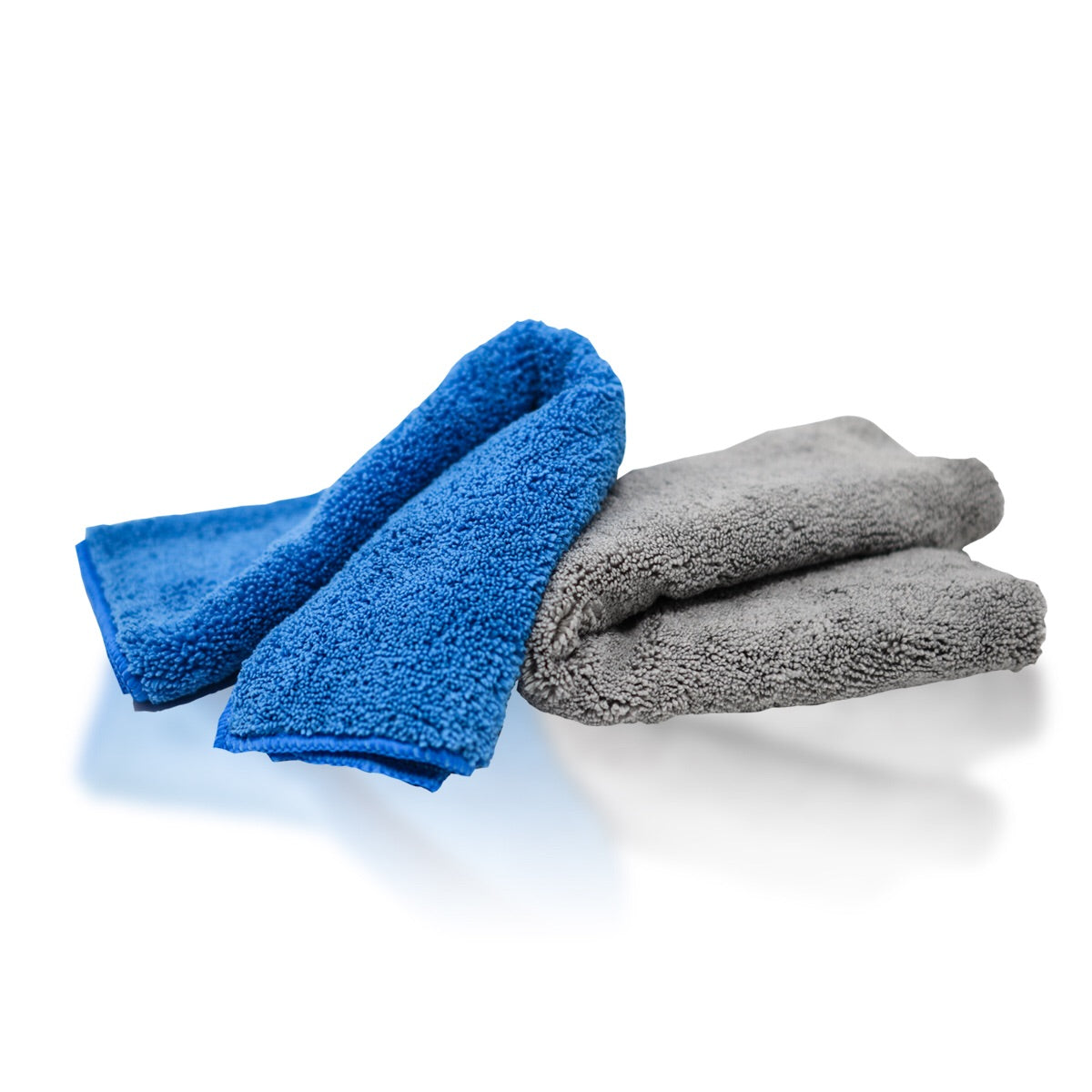
Starter Pack Ceramic Coating — includes coating, prep spray, applicator blocks, and microfiber towels for a complete DIY setup.

Why Is Ceramic Coating Better for Boats Than Cars?
The marine environment is far more demanding than road use. Boats live in salt water, under intense UV exposure, and they deal with osmotic pressure, waterline oxidation, exhaust staining, and biofouling. A product designed for an automobile may not hold up.
This is why the best ceramic coating for boats is a very different category than automotive ceramic coatings. Marine-grade formulas like Sea-Shield's are engineered to handle continuous water immersion, salt spray, and high UV indexes. The adhesion chemistry accounts for the thermal cycling that boats experience and the fact that large sections of the hull may be underwater for extended periods.
If you have ever tried applying a car-grade ceramic coating to a boat and watched it fail within months, this explains why. The marine application demands a marine-grade product.
Ceramic Coating vs Wax: A Direct Comparison
|
Feature |
Ceramic Coating |
Traditional Wax/Sealant |
|
Durability |
1-3+ years |
2-4 months |
|
UV protection |
Excellent |
Moderate |
|
Hydrophobic effect |
Strong, long-lasting |
Temporary |
|
Surface hardness |
High (glass-like) |
Low (soft, sacrificial) |
|
Maintenance required |
Low |
High (frequent reapplication) |
|
Application difficulty |
Moderate (prep is critical) |
Easy |
|
Upfront cost |
Higher |
Lower |
|
Long-term value |
Better |
Worse |
The math on long-term value tends to favor ceramic, especially for boats that see regular use. When you factor in labor time for repeated wax applications, the cost of wax products over a season, and the paint or gelcoat restoration needed when oxidation gets ahead of you, the price of a proper boat ceramic coating starts to look like a smart investment.
When Should You Choose Wax Over Ceramic?
Wax still has a role. If you own an older boat with heavily oxidized gelcoat that you plan to sell or replace the surface on soon, investing in a full ceramic application may not make financial sense. A quality cleaner wax can restore temporary gloss and provide short-term protection while you decide on your next move.
Wax also works well as a maintenance layer on top of a cured ceramic coating. After the hard coat is down, using a spray on ceramic coating for boats or a silica-based sealant spray after each wash helps replenish the hydrophobic properties and extend the life of the base coating. Sea-Shield's Final Shield works exactly this way.
So the answer is not always one or the other. For most boat owners, the best approach is a proper ceramic base coat applied once, followed by regular maintenance using a compatible spray sealant.
How Much Does Boat Ceramic Coating Cost?
Boat ceramic coating cost depends on the size of the vessel, the condition of the surface, and whether you apply it yourself or hire a professional.
For a DIY application on a mid-sized boat, a professional-grade product like Sea-Shield Crew starts at around $110 for 50 ml. Their 500 ml size is designed for larger vessels and full-boat applications. Complete starter, intermediate, and advanced packs are also available, bundling the coating with prep spray, applicator blocks, and microfiber towels.
Professional & Intermediate Packs
For those stepping up from a starter kit, Sea-Shield's intermediate and advanced packs offer more coverage and professional-grade results.
Intermediate Pack Professional Ceramic — a step up for larger boats requiring more product and professional-level protection.
Professional application on a 50-foot yacht typically runs between $1,500 and $5,000 or more depending on the region and surface condition. Part of that cost covers the surface correction work that has to happen before any coating goes down. Skipping the prep and applying ceramic over oxidized or contaminated gelcoat is one of the most common mistakes, and the results show it.
The long-term savings come from reduced maintenance, slower oxidation, and extended intervals between full cut-and-polish jobs. For a mega-yacht, that math adds up fast.
Advanced Packs for Full Vessel Coverage
Advance Pack Professional Ceramic — designed for full-vessel coverage on larger yachts and mega-yachts requiring maximum protection.

Where Can You Get the Best Ceramic Coating for Boats?
Sea-Shield (sea-shield.com) specializes exclusively in marine surface protection. Their product range covers ceramic coatings for paint, gelcoat, metal, glass, and plastic. They offer both crew-grade products for onboard maintenance teams and professional-grade formulas for detailing specialists.
Sea-Shield also provides detailing services in Southern California, Southern Florida, the Caribbean, and internationally in locations including Dubai, Abu Dhabi, Genoa, Palma de Mallorca, and Mexico. Free consultations are available for yacht owners evaluating their protection options.
Unlike brands that adapt automotive products for marine use, Sea-Shield develops products specifically for boats and mega-yachts. That distinction matters when you are dealing with salt water, tropical UV, and the constant maintenance demands of a working vessel.
Conclusion
Traditional wax does the job temporarily. Ceramic coating does it properly. For any boat or yacht that you plan to keep in good condition and hold its value, investing in a quality marine ceramic coating is one of the most practical decisions you can make.
The prep work matters, the product quality matters, and the maintenance routine matters. Get those three things right and your vessel will stay protected, look sharp, and require far less effort to maintain over the long term.
For a full range of professional marine ceramic coatings, compounds, polishes, and aftercare products, visit sea-shield.com.
FAQs
1. How long does ceramic coating last on a boat?
A properly applied marine ceramic coating from a quality marine-grade brand typically lasts one to two years or more with regular maintenance. The curing process takes up to 48 hours for waterproofing and up to five days for maximum hardness. Reapplying a spray sealant after each wash extends the life of the base coat significantly.
2. Can I apply ceramic coating myself, or do I need a professional?
Both are viable options. Crew-grade products like Sea-Shield Crew are designed for DIY and onboard crew applications. The critical requirement is proper surface preparation: washing, decontamination, and polishing out oxidation and swirl marks before the coating goes on. If you skip prep, the coating will not bond correctly and will not last. For larger vessels or complex surfaces, professional application ensures consistency and quality.
3. Does ceramic coating prevent osmotic blistering on fiberglass hulls?
Ceramic coating provides a barrier against moisture penetration on above-waterline surfaces. It slows the entry of water into the gelcoat and fiberglass laminate. However, it is not a complete solution for osmotic blistering on submerged hull sections, which typically requires an epoxy barrier coat. The coating works best as part of a complete hull protection strategy.
4. What is the difference between nano coating and ceramic coating?
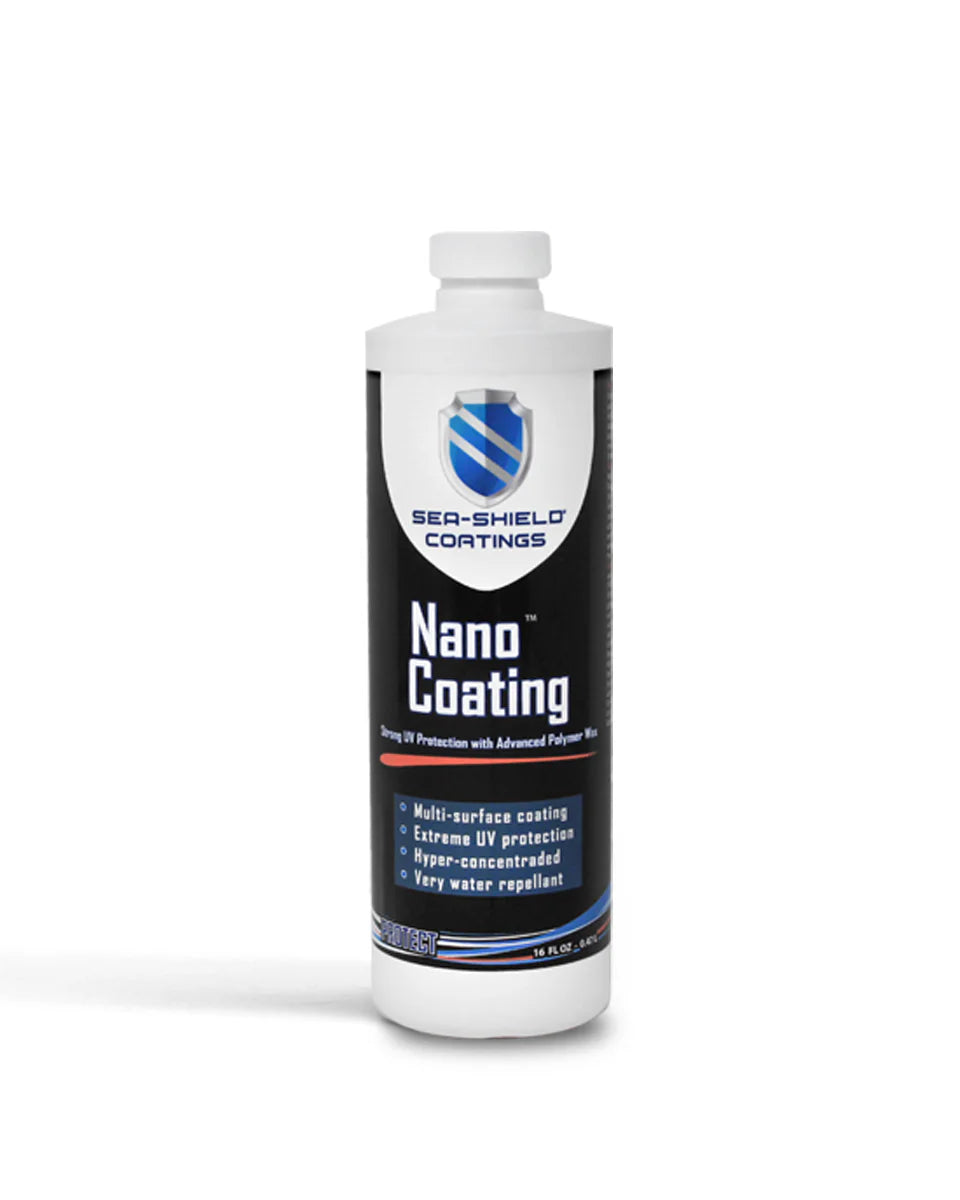
The terms are often used interchangeably in the marine industry. Both refer to protective coatings that use nanoparticle technology to bond to surfaces at a molecular level. Some products are purely ceramic (silica) based, others are polymer-based, and some are hybrid formulas. Sea-Shield offers both ceramic and nano coating options, each suited to different surfaces and protection goals.
5. How do I maintain a ceramic-coated boat?
Use a pH-neutral boat soap that will not strip the coating. Rinse thoroughly after every saltwater use. Apply a silica-based spray sealant after washing to boost the hydrophobic effect. Avoid abrasive cleaners or harsh chemicals. For light oxidation that appears over time, a finishing polish followed by a fresh coat of spray sealant will restore the surface without removing the base ceramic layer.